Leak Detection in Columbia, TN
Columbia is the Maury County seat, our home base, and the city where we do most of our work. Historic homes near the downtown square, brick ranches from the 60s and 70s, and new subdivisions pushing north, every era leaks a little differently, and we’ve seen all of it.
Why We Work From Columbia
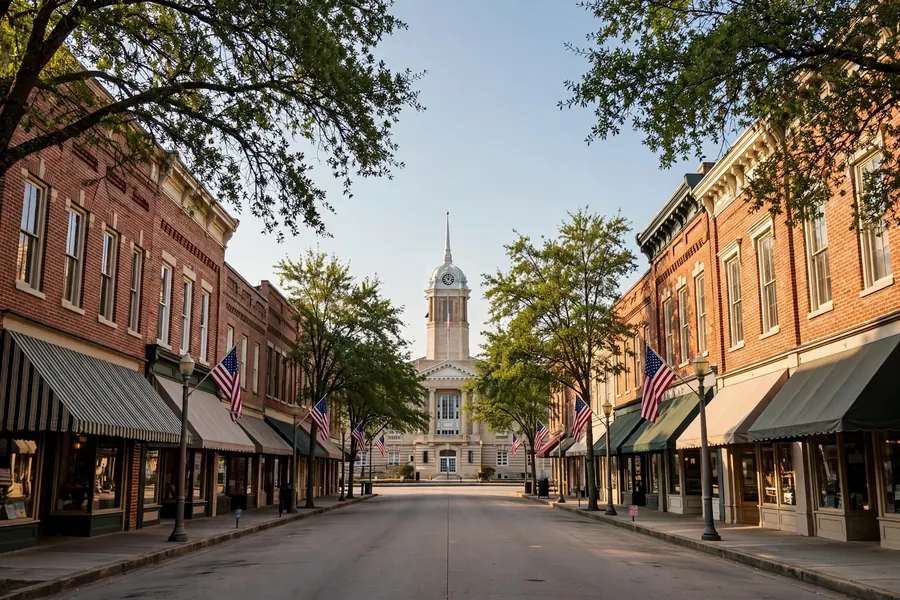
Columbia sits at the center of Maury County, which is exactly why it’s our home base. Being based here means shorter response times when something’s actively leaking, and it means we read this town’s houses like a familiar book.
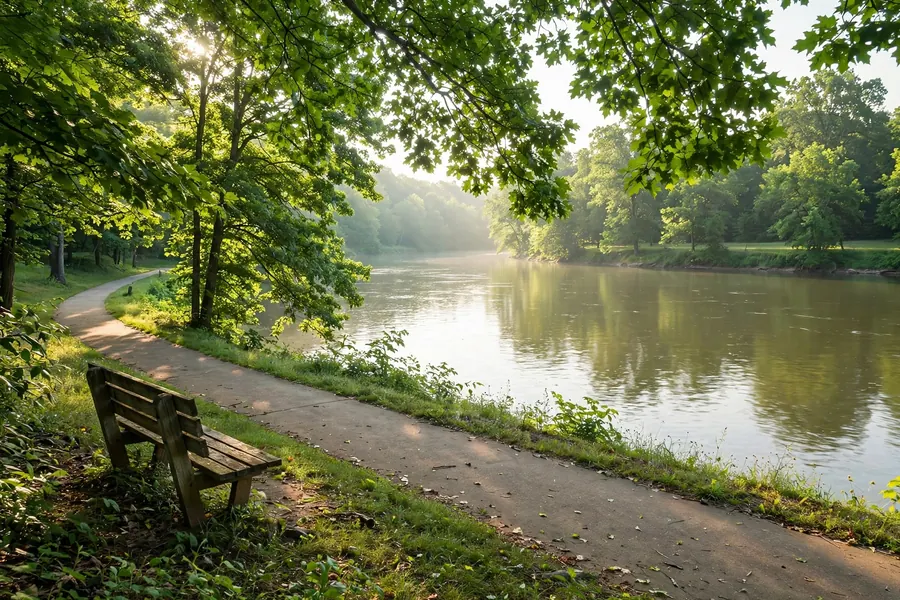
The historic downtown square is the heart of it, with the Maury County Courthouse anchoring the block, and every April the Mule Day festival takes over the place. The Duck River runs along the south side with Riverwalk Park and its trails, while Maury Regional Medical Center, Columbia State Community College, and Maury County Park round out the landmarks. The city covers ZIP codes 38401 and 38402, and it blends old and new in a way that keeps our work interesting.
A home two streets off the square might have piping from a different decade than a house a mile away in a 1970s subdivision,
Hear water? See a stain? Bill climbing?
Those are the three signs we hear about most. Call and describe yours, and we'll point you at the right next step.
Columbia’s Housing Mix, and What It Means for Leaks
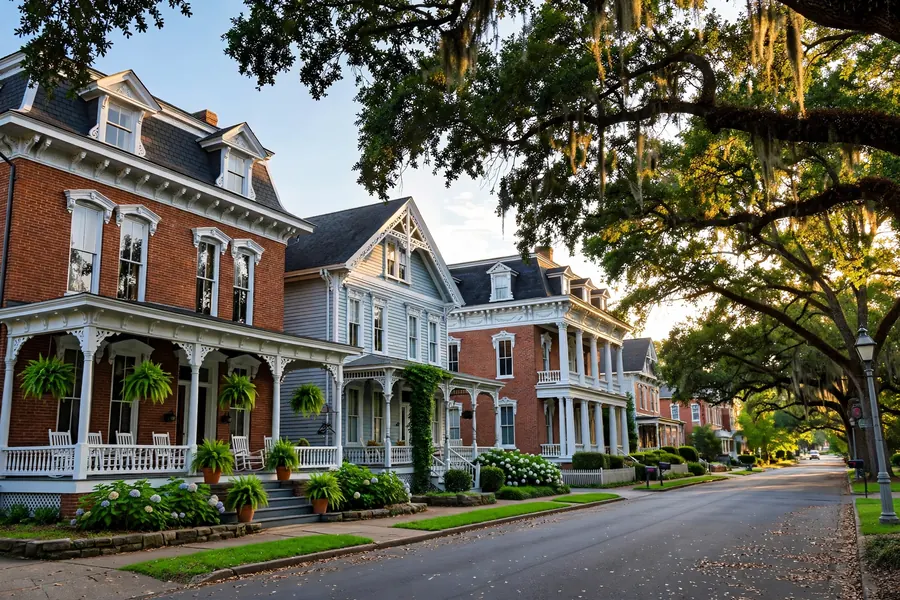
Walk the streets near downtown and you’ll see some of the oldest homes in Maury County: Victorians, foursquares, and farmhouses that have stood for the better part of a century. Homes of this era may have galvanized steel supply lines, cast iron drain stacks, and fixtures updated piecemeal over decades. The tricky part isn’t age alone, it’s the patchwork: a copper run from the 80s tied into original galvanized, a bathroom added in the 90s with its own drain routing. Every layer is a potential weak point, and finding a leak means understanding the house’s whole history.
Farther out, the mid-century and 1970s–80s brick ranches make up much of the city. These homes often sit on slabs, which puts the main plumbing runs under concrete where you can’t see them. A slab leak here announces itself with warm floor spots, damp carpet edges, or the sound of water when nothing’s running. Up north, fresh subdivisions bring new-construction patterns: weeping fixture connections, irrigation on brand-new sod, and service lines settling into fresh trenches. New doesn’t mean leak-proof. It just means the leaks look different.
How Columbia’s Climate Treats Your Plumbing
Three things about the local weather shape the leaks we find here.
- Humid summers keep crawl spaces and garages damp for months, and condensation can mask real drips.
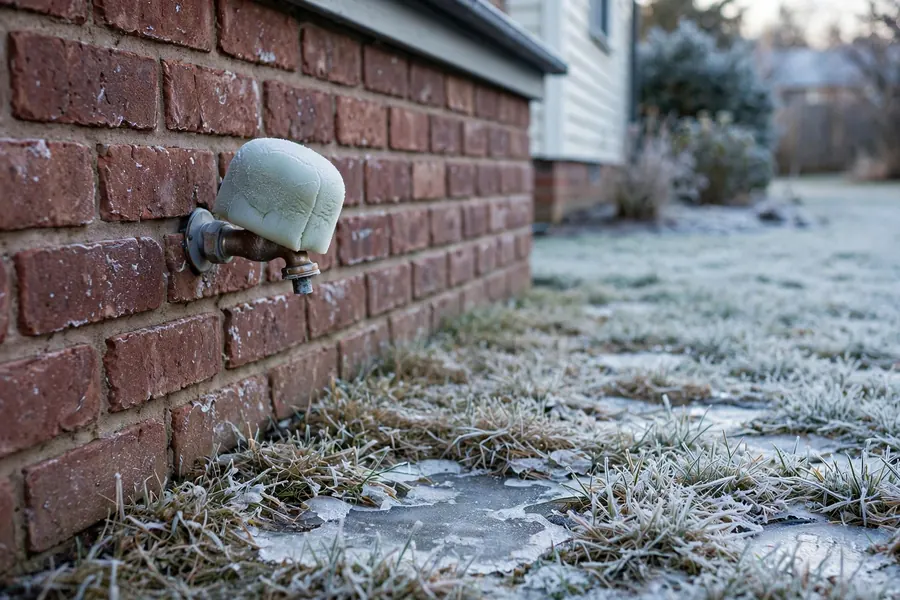
- Winter freeze snaps are the big one: a few days in the teens will freeze exposed hose bibbs, crawl space runs, and pipes in exterior walls, and the damage shows up on the thaw. Fall winterization is the cheapest insurance there is.
- Clay soil swells when wet and shrinks in dry spells, slowly stressing water service lines and sewer laterals.
The Columbia We Know
We drive past Maury County Park on the way to morning jobs, we know the back roads around the Duck River, and we’ve been inside homes in every one of the neighborhoods below. Local knowledge matters because patterns repeat: the same subdivision built by the same builder tends to fail the same way, and we’ve watched it happen and know where to look first.
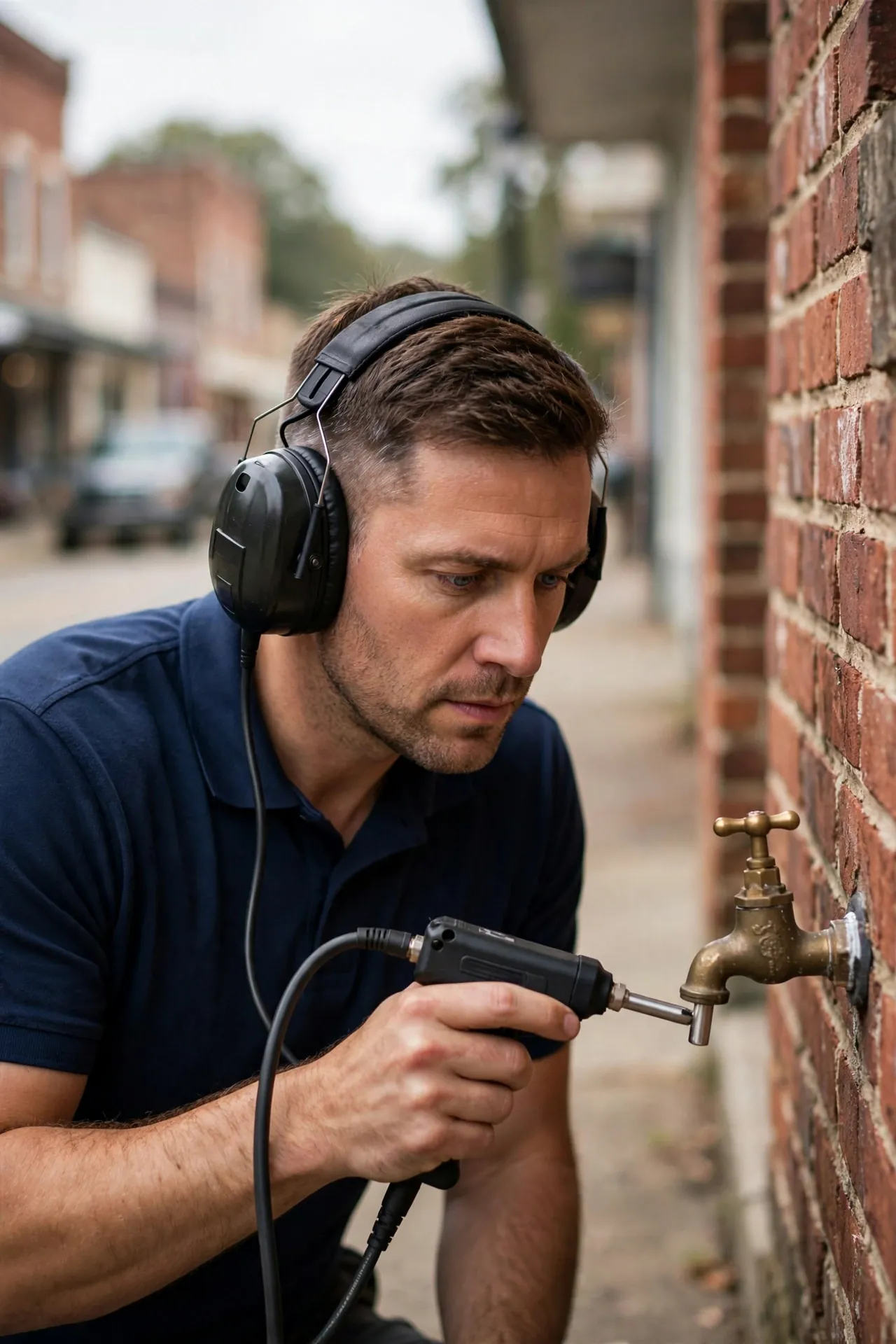
From the historic blocks around the square to the newer streets near Columbia State, we show up with the same non-invasive methods, acoustic listening, thermal imaging, moisture mapping, pressure testing, all methods commonly used in the trade, and the same promise: we find the leak, show you what we found, and explain your options in plain language.
Common Leak Concerns Around Columbia
High water bills, no visible water
The number one call we get. An underground service line break, a slab leak soaking into the soil, a silently running toilet, or an irrigation zone stuck on. The meter check with everything off is where the hunt starts. See our hidden leak detection page.
Slab leak symptoms
Warm spots on the floor, damp carpet edges, tile that suddenly sounds hollow, or water running sounds when the house is quiet. Slab foundations put pipes where you can’t see them, which is why detection has to be precise. See our slab leak detection page.
Freeze damage after a cold snap
Every January brings its own wave. Burst hose bibbs, split crawl space lines, and pipes in exterior walls that froze overnight. If your pressure drops or you smell mildew after a hard freeze, something may have split on the thaw. Emergency detection is the call when water is actively coming in.
Irrigation and pool systems
Columbia’s bigger lots run full irrigation systems, and a surprising share of “leak” water bills turn out to be a stuck valve or a broken head running all night. Same with pool plumbing: a pool that drops more than evaporation accounts for usually has a line problem. See irrigation and pool plumbing detection.
Older homes, older pipes
Homes near downtown may still carry galvanized supply lines or cast iron drains that are past their prime. Wall and ceiling stains, low pressure at one fixture, or rusty water are the early warnings. Painting over a stain just hides it; the source keeps working behind the wall. Pipe leak detection and ceiling and wall leak detection sort these out without guesswork.
New-construction surprises
Brand-new doesn’t mean problem-free. Weeping fixture connections, under-slab runs that were never pressure-tested, and service lines settling into fresh trenches all show up in new builds. See our water line and underground leak detection pages.
Leak Detection by Columbia Neighborhood
Each area has its own plumbing personality. Pick yours for the street-level version.
Columbia Leak Detection FAQs
How do I know if I have a hidden leak in my Columbia home?
The classic signs: a water bill that climbs with no change in usage, the sound of running water when everything is off, warm spots on a slab floor, or a water meter that spins with every fixture shut off. Any one of those is worth a call. We start with non-invasive checks and tell you plainly what we find.
Do older homes near downtown Columbia have more leak problems?
Homes of that era can have older piping, original fixtures, and galvanized or cast iron lines at the end of their life. They can also have great bones. It varies house to house, which is exactly why we inspect rather than guess. Newer subdivisions have their own pattern, mostly slab-related and fixture-connection leaks.
Can a freeze snap in January really burst my pipes?
Yes. Columbia’s winters are mild most of the time, which is why people get caught off guard. A few days in the teens will freeze exposed hose bibbs, crawl space runs, and pipes in exterior walls. The expensive part is the thaw, when a frozen line splits and floods. Fall winterization is the cheapest insurance there is.
Do you work on homes outside Columbia city limits?
Yes. We cover the whole city plus surrounding Maury County, and nearby Spring Hill, Mt. Pleasant, Chapel Hill, and Lewisburg. Same upfront pricing everywhere, no trip-charge surprises.
Will you have to cut open my walls to find the leak?
That’s the last resort, never the first step. We use methods commonly used in the trade, like acoustic listening, thermal imaging, moisture mapping, and pressure testing, to narrow the location before anyone picks up a saw. If we do need to open a small section, it happens only with your go-ahead.
Leak Somewhere in Columbia? Call (931) 800-6431
Downtown, the subdivisions, or the new builds up north. Tell us what you’re seeing and we’ll get someone out to find it, without tearing your house apart.