A Leak in Your Building Is a Business Problem. We Treat It Like One
Commercial leaks cost more than water: disrupted tenants, closed restrooms, damaged inventory, liability. We do scheduled detection work for offices, retail, restaurants, and multi-unit buildings in Columbia, planned around your operations with minimal disruption.
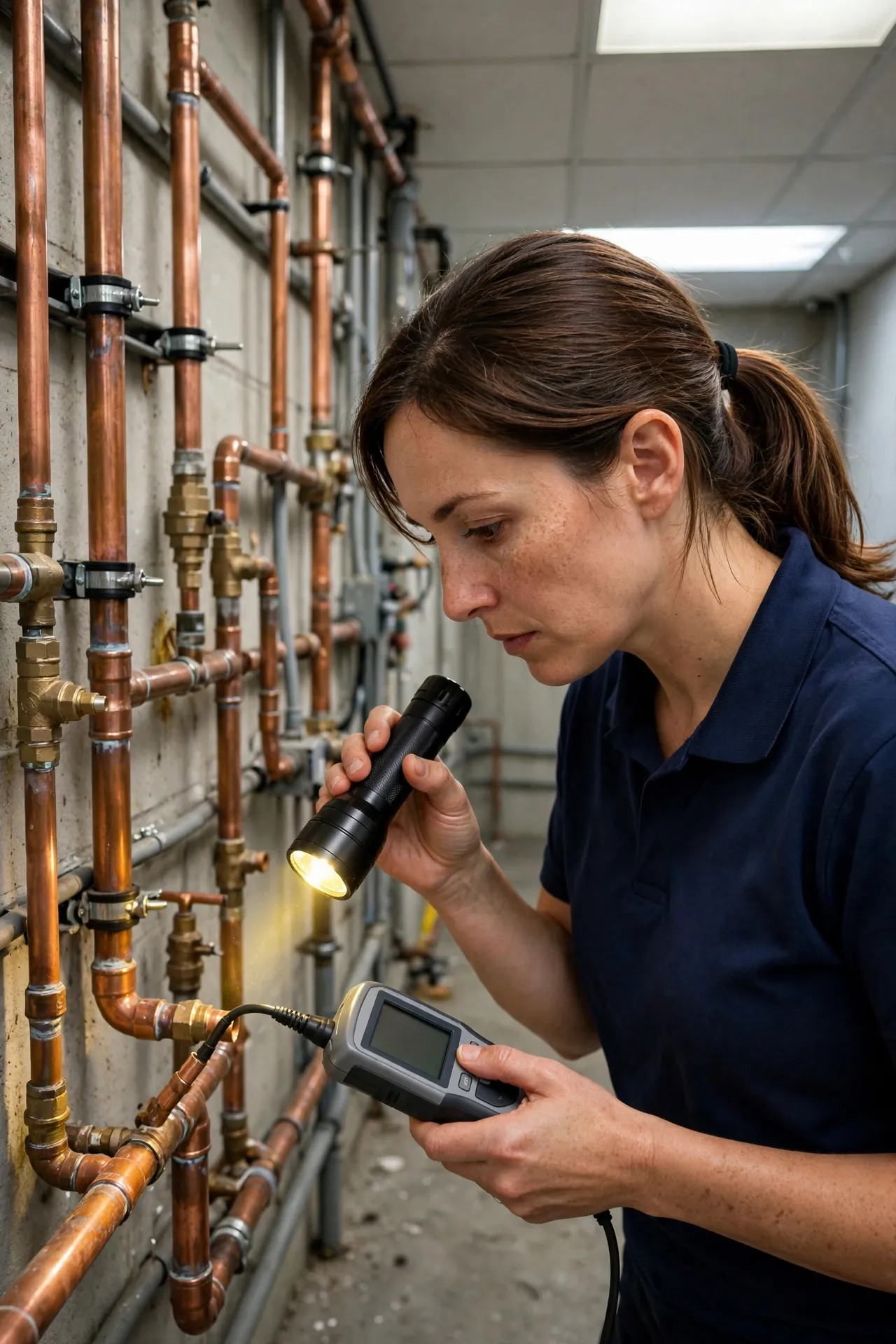
Hear water? See a stain? Bill climbing?
Those are the three signs we hear about most. Call and describe yours, and we'll point you at the right next step.
Commercial leaks are a different job
A house has one water heater, a handful of fixtures, and an owner who can clear a room on short notice. A commercial building has restrooms used by dozens of people, kitchens running all day, irrigation on timers, mechanical rooms nobody has entered in months, and tenants who need to keep working while we work. The detection methods are the same, but the logistics are a different discipline.
The stakes are different too. A slow leak in an office building doesn't just raise the water bill. It damages tenant spaces, creates slip hazards, feeds mold in HVAC-adjacent areas, and in food service, it can threaten health inspections. Finding it fast and accurately isn't a convenience, it's risk management.
Where commercial buildings leak
The patterns repeat across building types. Restroom supply lines and flush valves in office and retail buildings, running constantly under heavy use. Kitchen and prep-area plumbing in restaurants, with grease and heat accelerating wear. Irrigation systems on commercial lots, often large, old, and poorly mapped. Mechanical rooms with water heaters, boilers, and backflow preventers that weep for months unnoticed. And in multi-unit residential, the classic: a leak in one unit showing up as damage in the unit below, with nobody sure whose plumbing is responsible.
Slab-on-grade commercial buildings get slab leaks like houses do, with the added complication that shutting down a section of floor affects business. Older buildings in Columbia's commercial corridors may have original plumbing that's simply at end of life, with pinholes appearing in sequence. Our commercial work covers Columbia and Maury County, from downtown storefronts to the buildings along the commercial corridors.
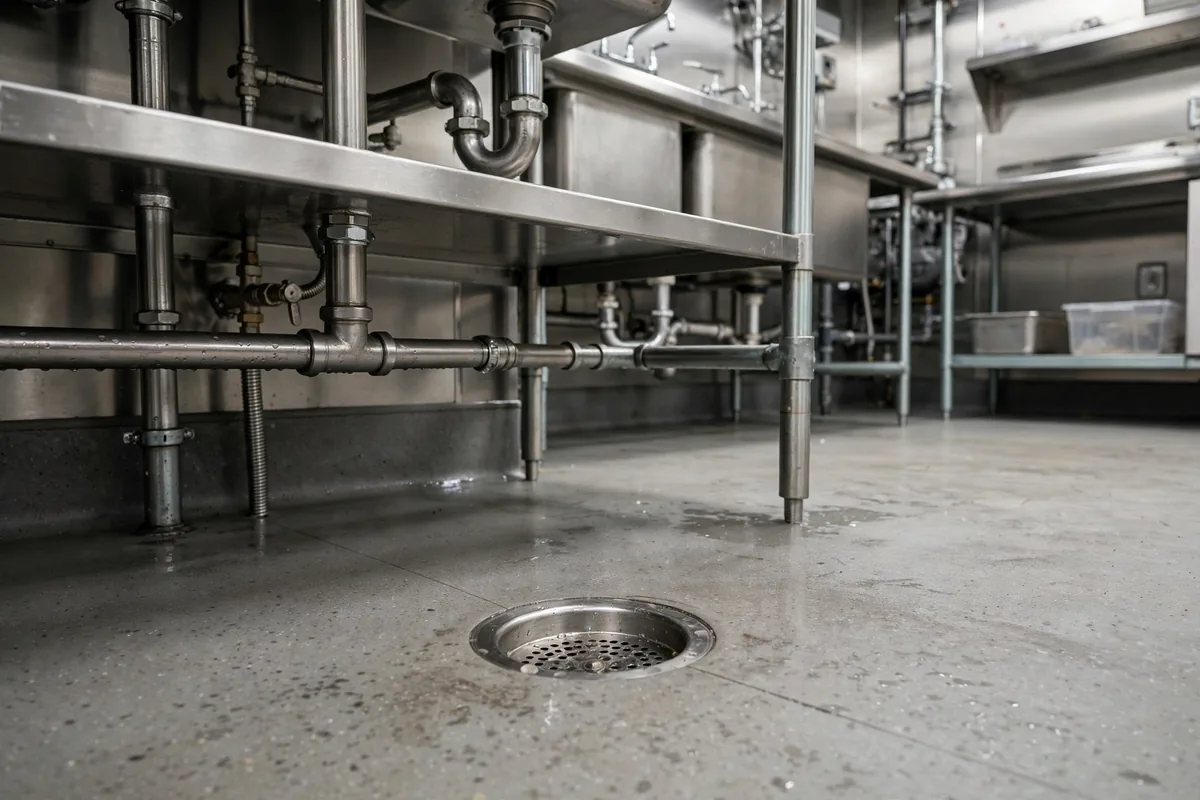
Planned around your operations
We schedule commercial detection work when it disrupts you least: before opening, after closing, or in phases across low-traffic periods. Noisy work like acoustic surveys happens when the building is quietest, because background noise is the enemy of listening equipment. Water shutoffs for isolation testing are coordinated in advance, zone by zone, so no more of the building is affected than necessary.
For multi-tenant buildings, we work unit by unit with proper notice, and we document which unit's plumbing is responsible when a leak crosses unit boundaries. That documentation matters: it settles the question of who's responsible for the repair, which is the dispute that otherwise drags on for months.
Documentation you can act on
Commercial clients get more than a mark on the floor. You get written findings with the marked locations, the confirmation methods, moisture mapping where relevant, and photos of what we found. That's a package you can hand to your plumber, your property manager, your insurance carrier, or your tenants. Clear documentation shortens every conversation that follows.
For property managers with multiple buildings, we can establish a baseline: meter readings, pressure readings, and a walkthrough record that makes the next suspected leak faster to diagnose. Catching the second leak early is where the real savings are.
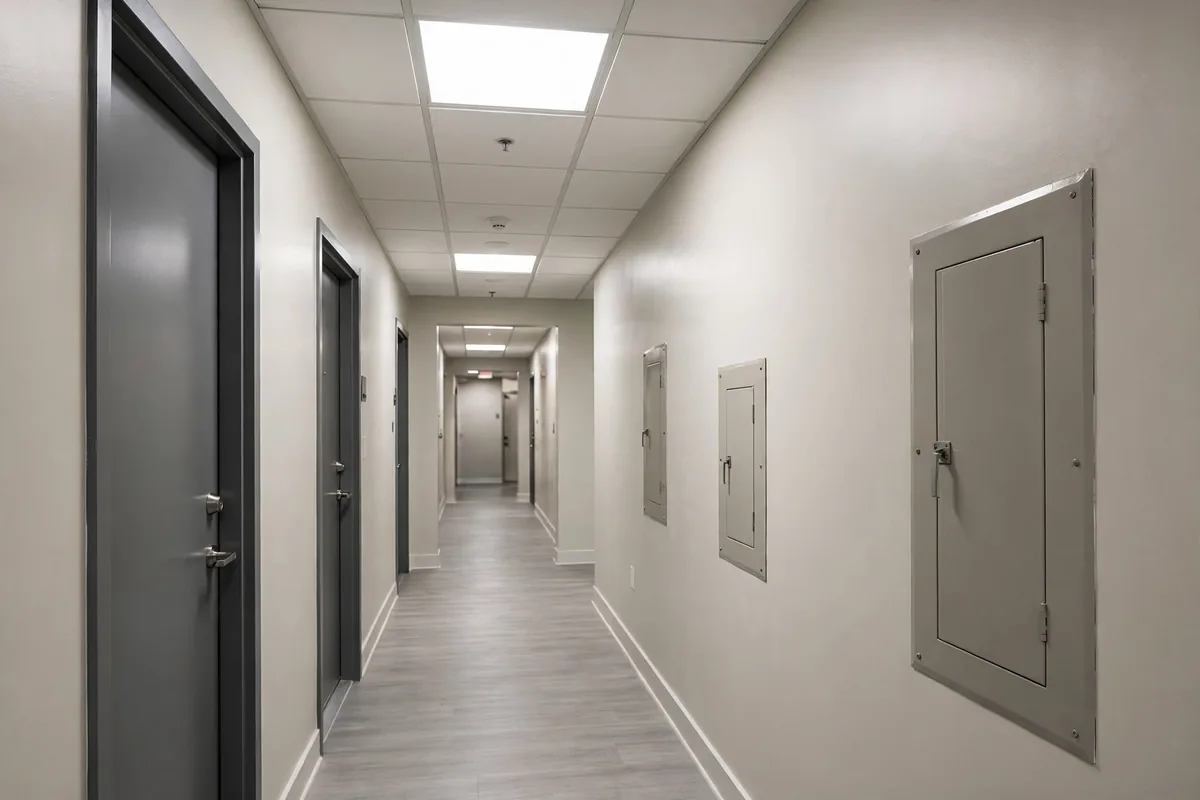
What to have ready when you call
The building's water bill history if you have it, the location of the main shutoffs and meters, any tenant complaints with dates and locations, and access arrangements for mechanical rooms and units. The more of that you have, the faster the visit goes. If there's an active leak affecting operations right now, say so upfront and we'll talk about emergency scheduling.
Common Questions
Do you work around business hours?
Yes. We schedule detection work before opening, after closing, or in phases during low-traffic periods, whichever disrupts your operations least. Noisy acoustic work goes best when the building is quiet, so off-hours are often ideal anyway.
A tenant reports water damage but nobody knows whose plumbing is leaking. Can you sort that out?
That's a common multi-unit call. We test and trace systematically, unit by unit, and document which unit's plumbing is responsible. The written findings settle responsibility questions that otherwise turn into long disputes.
What documentation do we get?
Written findings with marked locations, the methods used to confirm each finding, moisture mapping where relevant, and photos. It's a package built to hand to your plumber, property manager, insurance carrier, or tenants.
Can you check our irrigation system too?
Yes. Commercial irrigation is a frequent source of unexplained water costs: large zones, old valves, heads damaged by mowers. We can include the irrigation in the same visit and report it zone by zone.
Do you handle emergency commercial leaks?
If water is actively entering the building or affecting operations, call and say so. We'll prioritize getting someone out. For the immediate moment, shut off the building's main valve if you can do so safely.
Related Leak Detection Services
Emergency Leak Detection
Active water coming in now: we prioritize finding the source fast.
Learn moreWater Leak Detection
The general visit: we work the whole property and narrow the mystery to a source.
Learn moreIrrigation Leak Detection
Mushy zones and weeping valves located zone by zone.
Learn more
Think you've got a leak? Let's find it.
The longer a leak runs, the bigger the repair bill gets. One call, and we'll start narrowing it down.