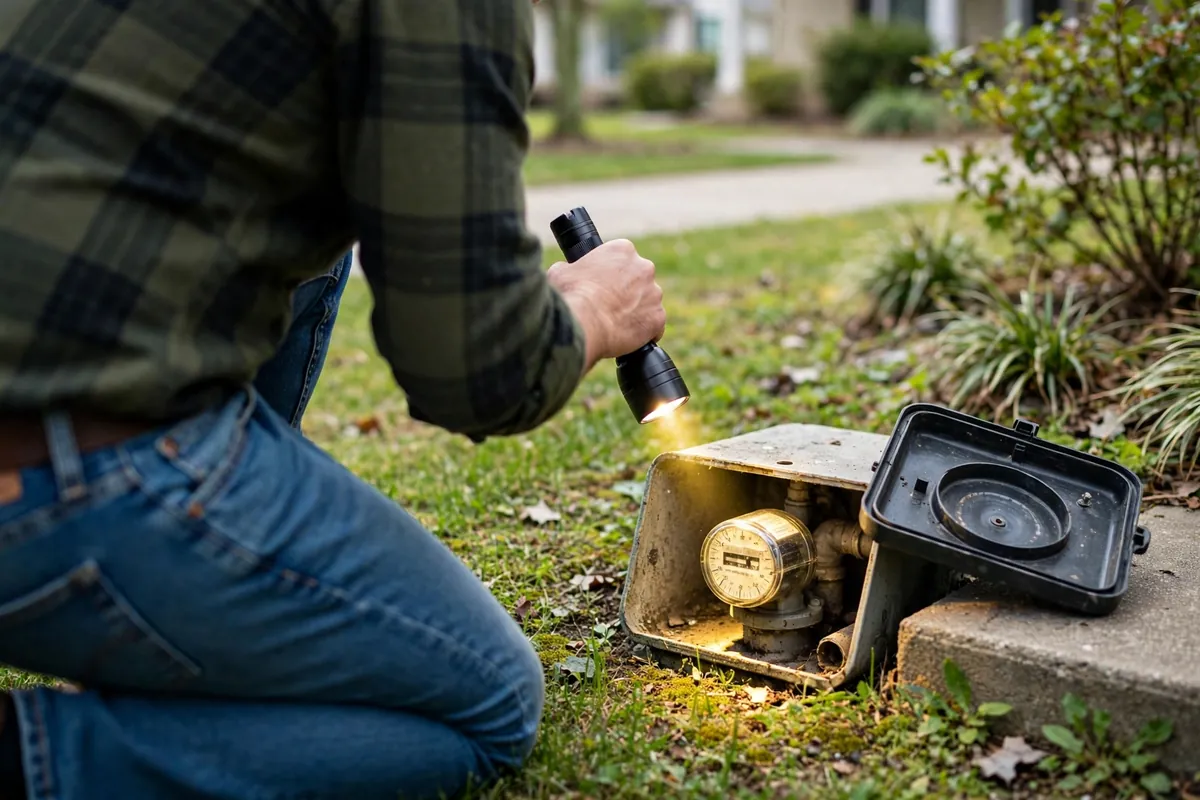
How to Tell If You Have a Hidden Water Leak
The meter test, the main-valve isolation test, and the signs that confirm a leak, plus the honest limits of what DIY can find before you need a professional.
Read moreWater leaking right now? We're open 24/7 — Call (931) 800-6431
Straight answers to the questions we hear on every service call: how to check for a leak yourself, when DIY stops being enough, and what professionals actually do.
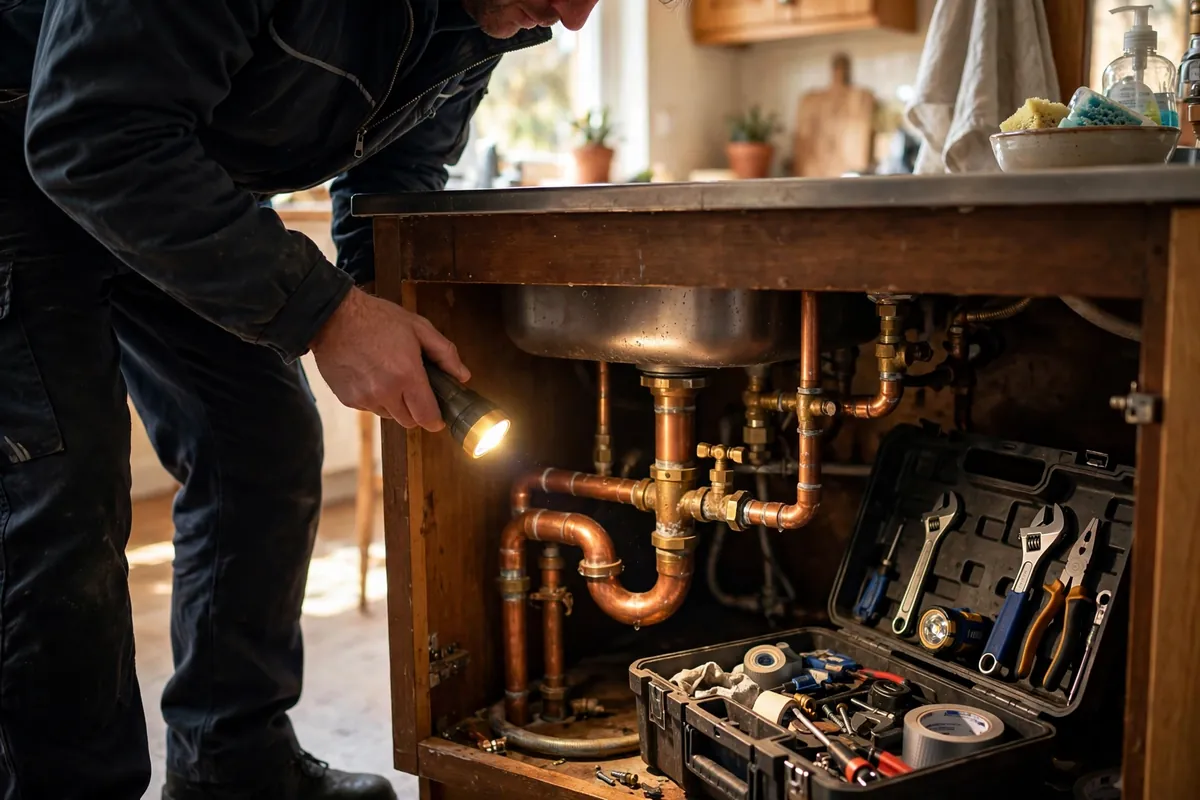
These guides are written the way we talk on a service call: plain, honest, and practical. They cover the simple checks anyone can do, the honest limits of DIY, and the myths that cost homeowners money. If you read one and still have questions, call us. That is what the number at the top of the page is for.
If your bill jumped for no reason, start with the high water bill guide, then run the water meter test — it takes about half an hour and tells you whether water is actually leaving your system. If the meter moves, the hidden leak guide walks through the checks that narrow it down.
If you can already see a sign, go straight to the guide for it: a warm spot on the floor points to the slab leak signs, a stain points to a leak behind a wall, and a soggy yard points to an underground leak. Each one explains what the sign means, what you can check yourself, and where DIY honestly stops.
If the question is money or paperwork, read the cost guide first — it explains what shapes the price of a visit without inventing one — and the insurance report guide if you need findings in writing for a claim. Short answers to the questions we hear most are on the FAQ page.
The meter test, the main-valve isolation test, and the signs that confirm a leak, plus the honest limits of what DIY can find before you need a professional.
Read more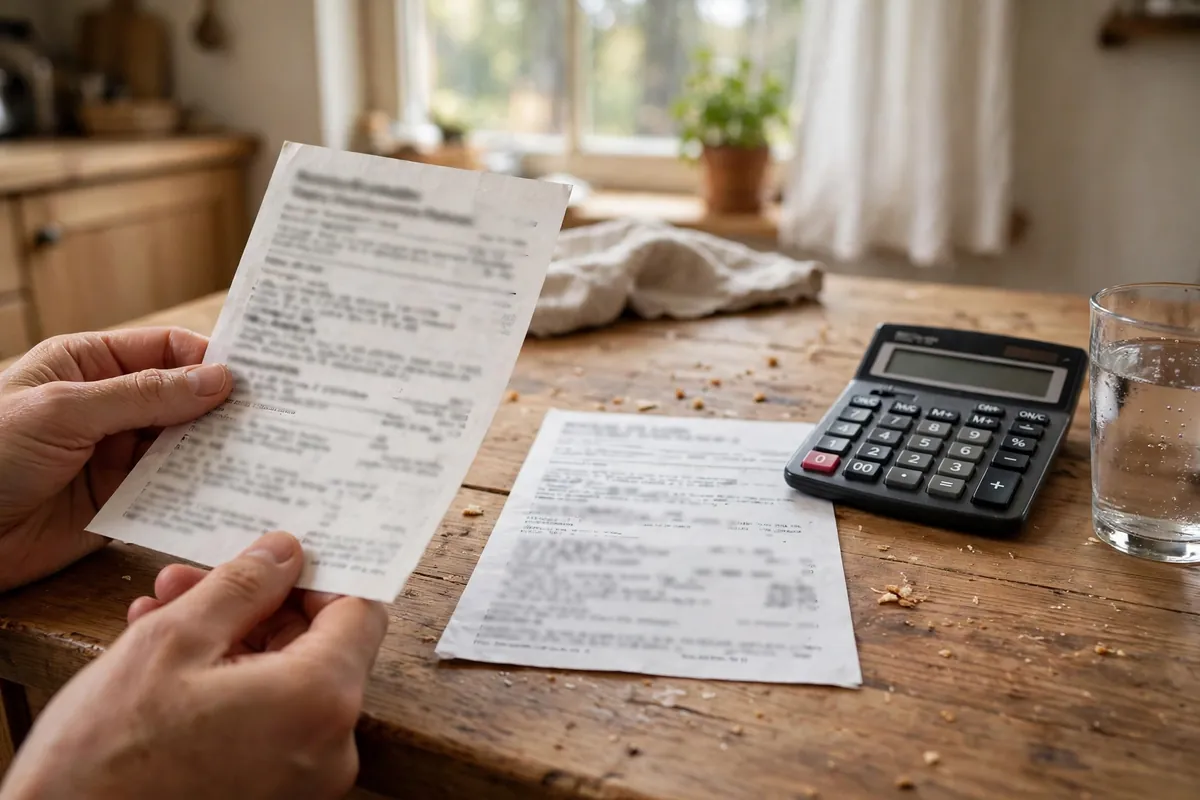
Not every high bill is a leak. Toilet flappers, irrigation zones, meter misreads, and rate changes are all suspects. Here is how to compare bills and rule them out.
Read more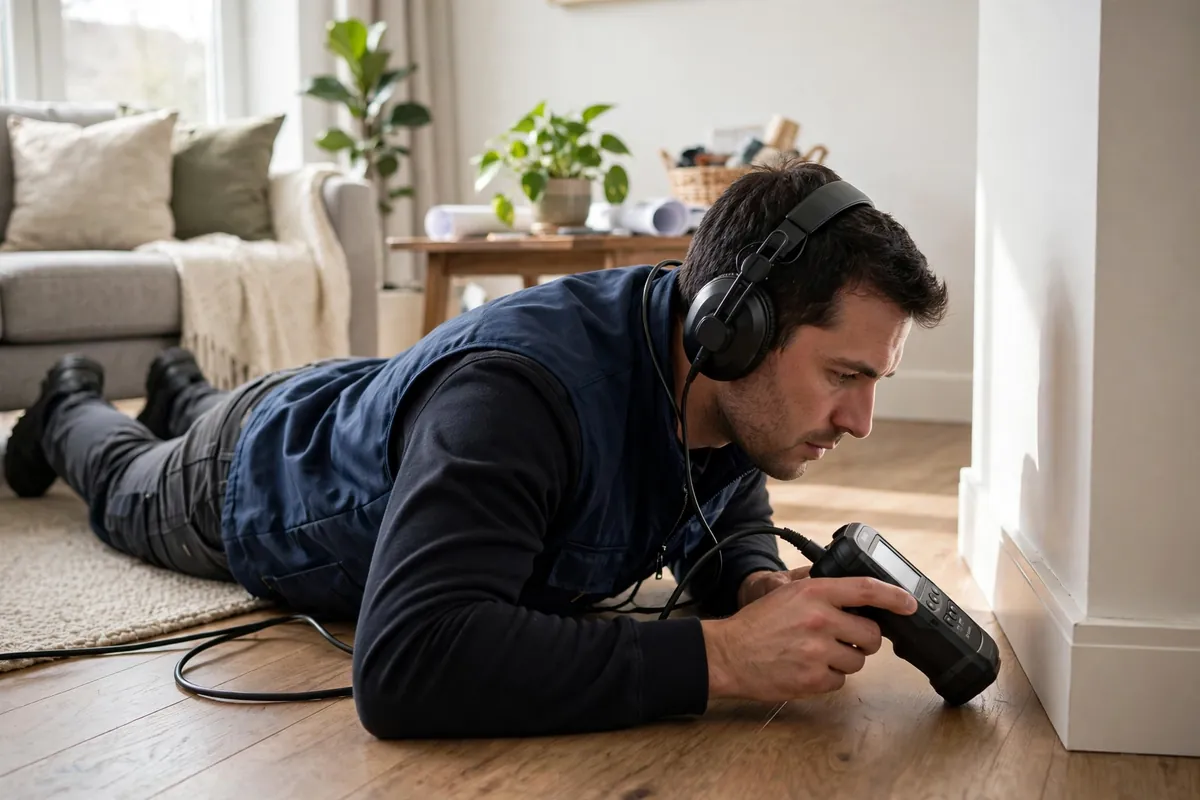
What the technician actually does once they arrive: the sequence on site, why we confirm every find with two methods, and what a marked leak means for your repair.
Read more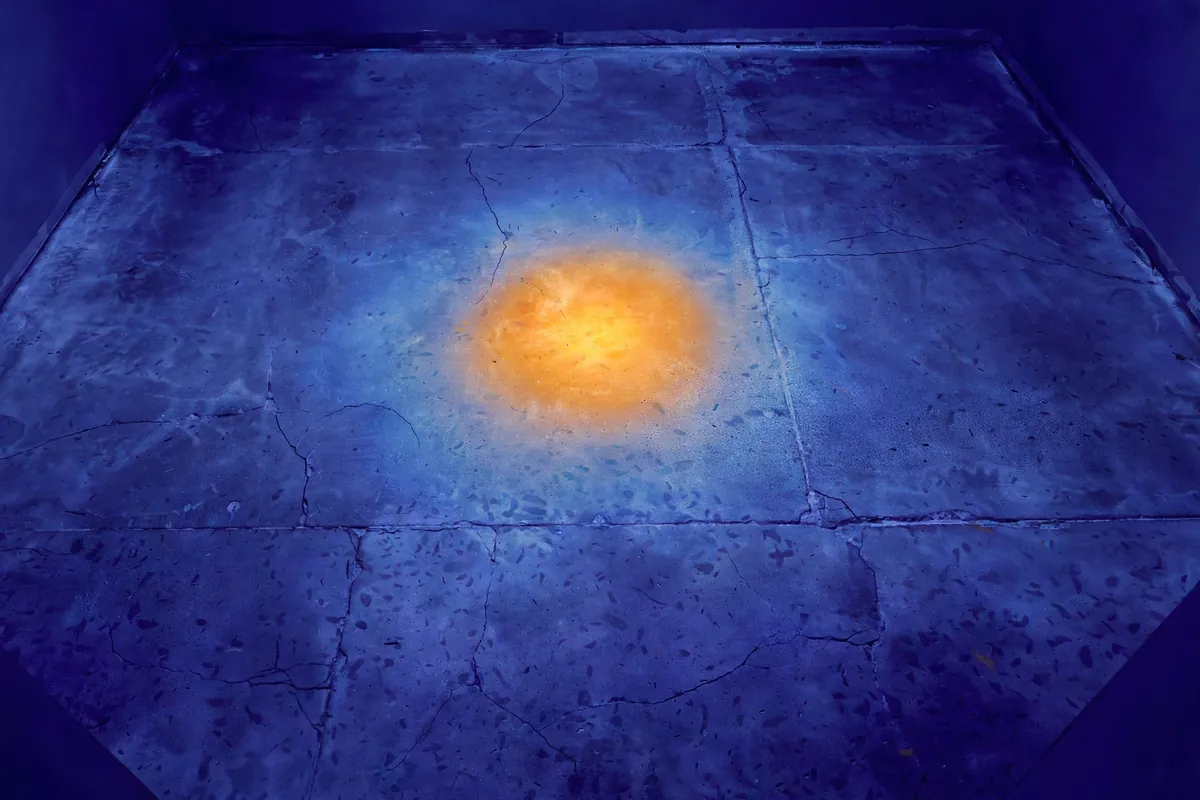
Warm spots underfoot, the sound of running water, a climbing bill, and foundation clues. Plus the most important warning: do not drill blindly into your slab.
Read more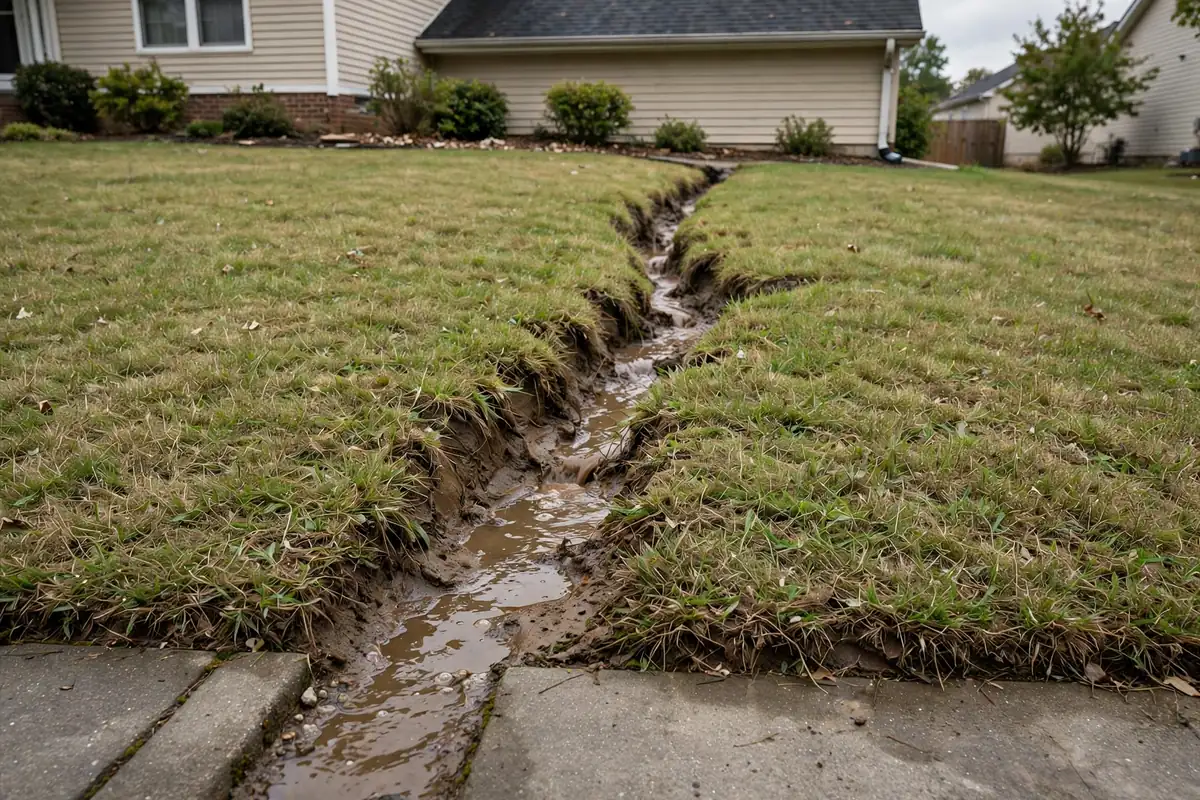
Soggy yard clues, the meter isolation test, and how to tell a service-line break apart from an irrigation problem before anyone brings a shovel.
Read more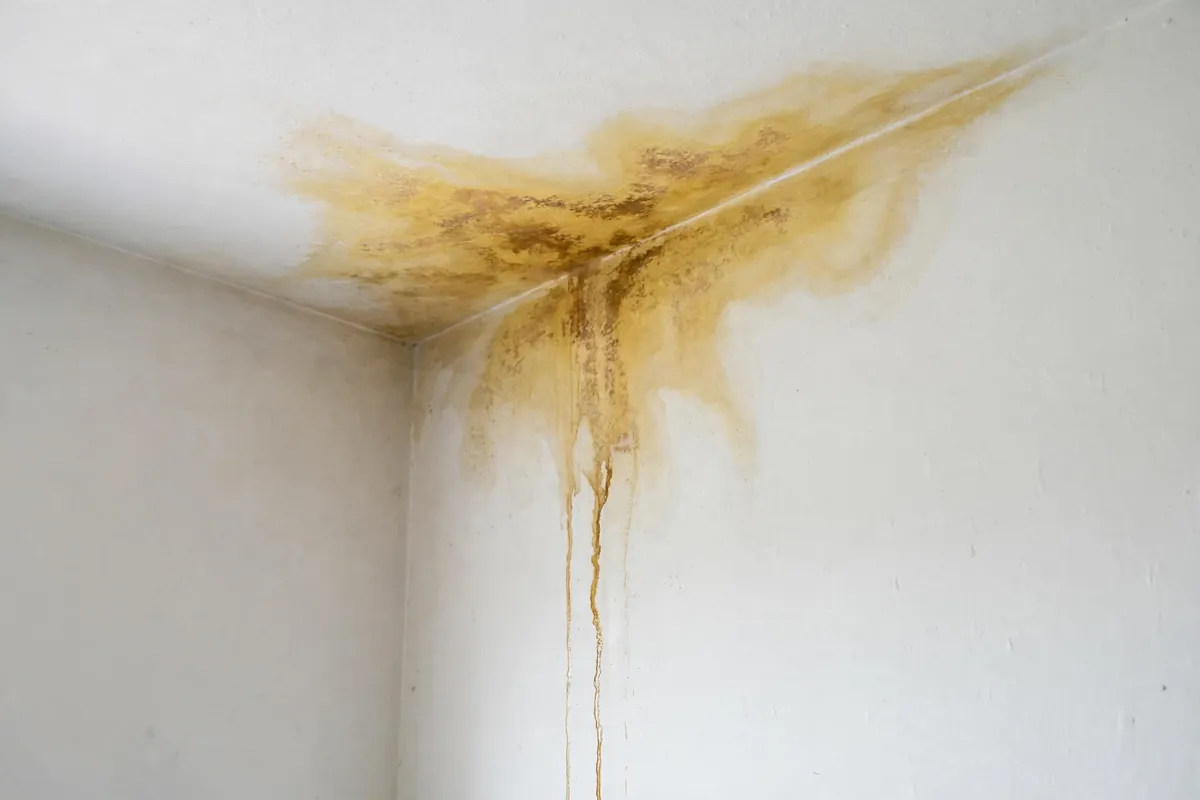
Stains, bubbling paint, and musty smells. And why the stain on your wall is often not directly under the leak that caused it.
Read more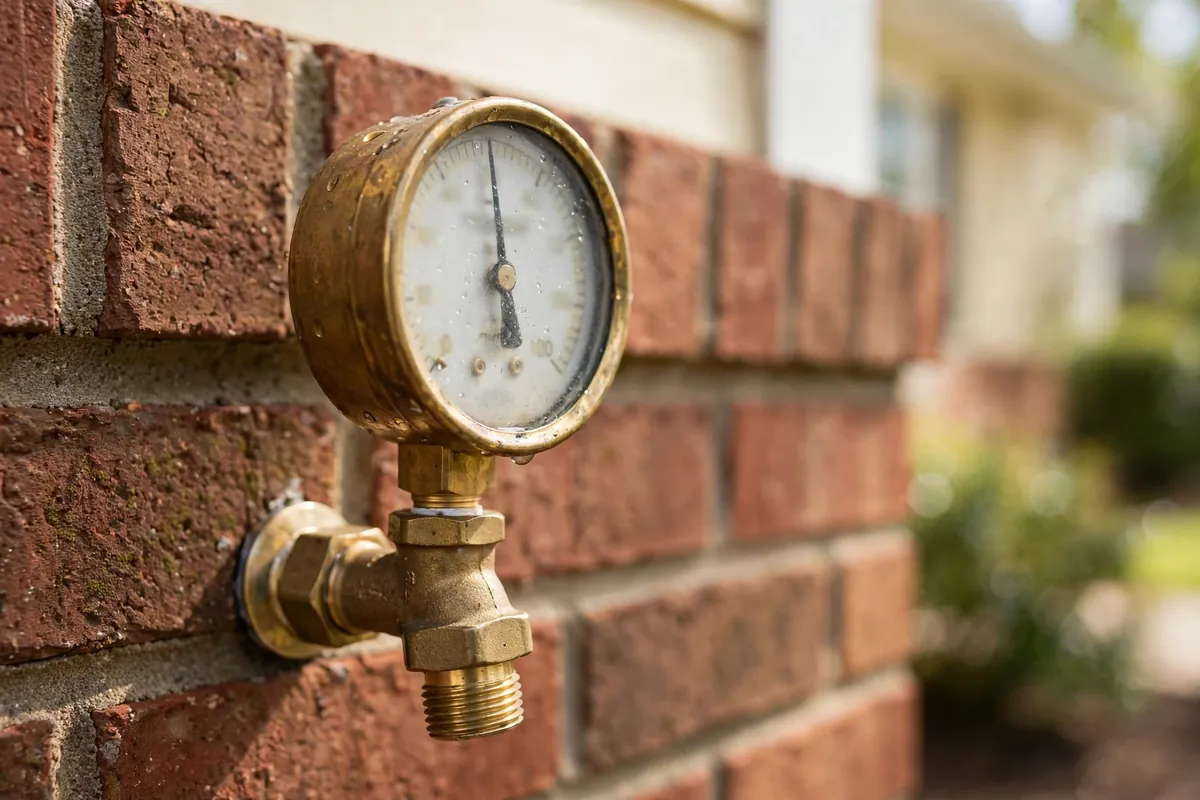
Leaks are only one suspect. A failing pressure-reducing valve, fixture buildup, and municipal supply issues can all do it. Here is how to narrow it down.
Read more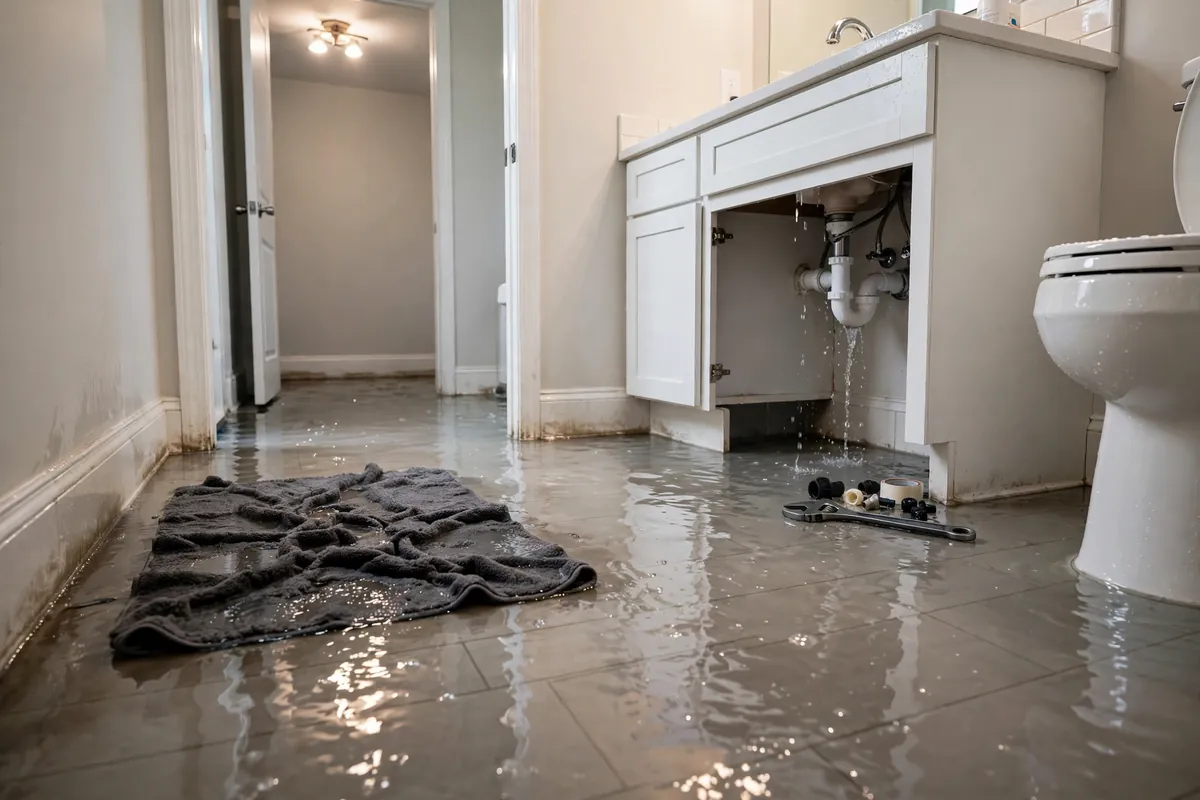
Active flooding, sewage, and burst pipes need action now. Here is how to shut off your water safely, what counts as an emergency, and what can wait until morning.
Read more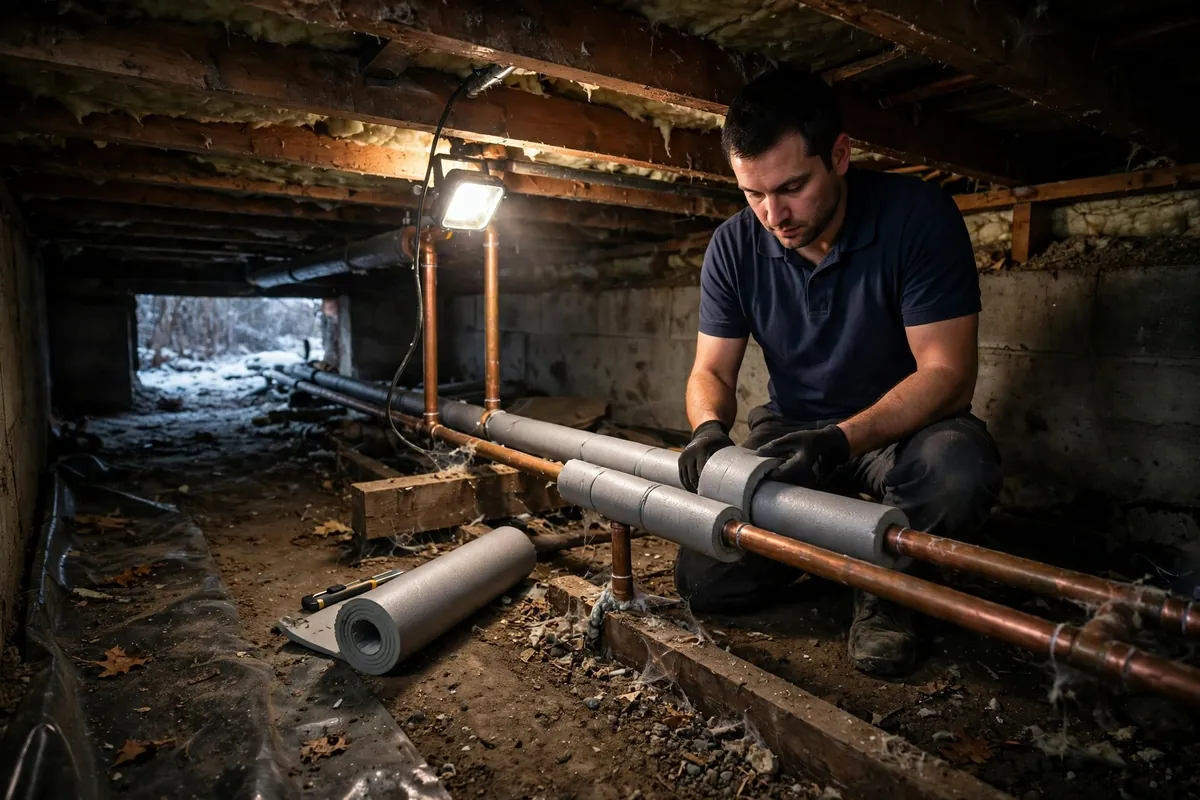
Prevent frozen pipes in a Middle Tennessee winter, find hidden freeze splits in crawlspaces and attics, and check your home after a cold snap.
Read more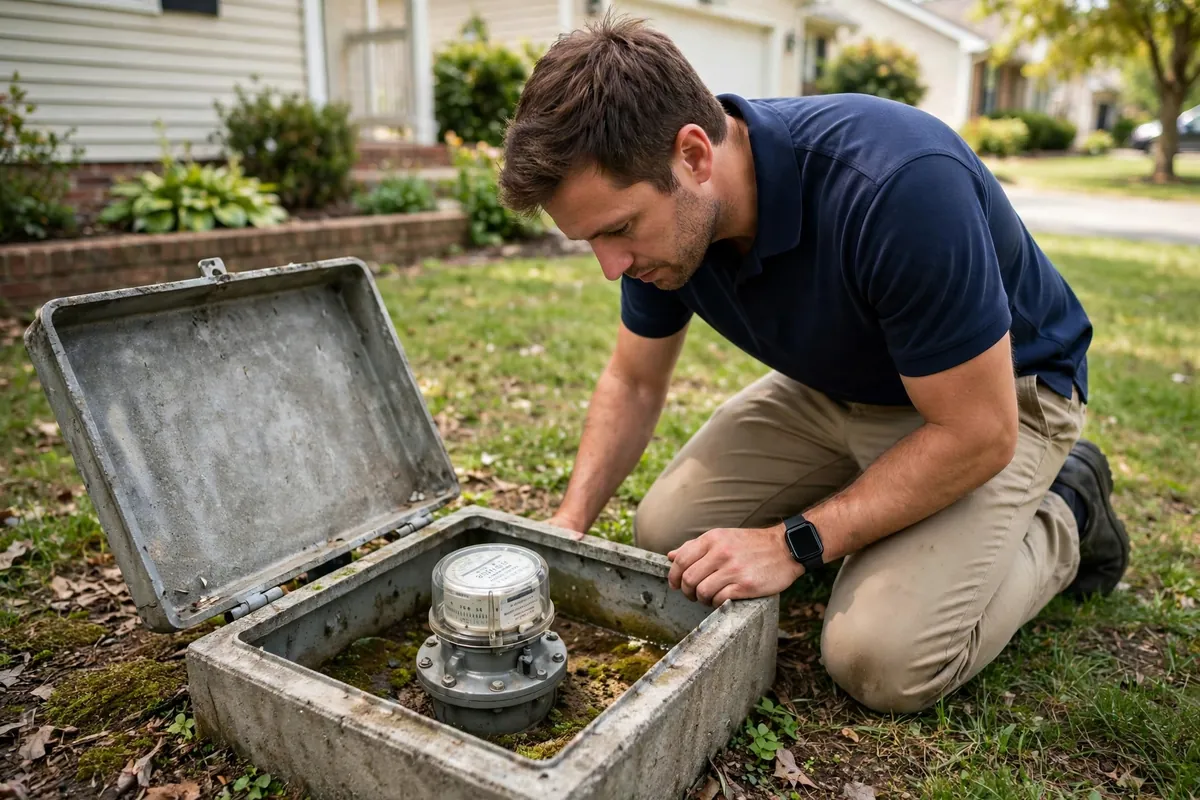
Read the meter and leak indicator, shut everything off, wait 30 minutes, and learn what movement means and when to call a pro.
Read more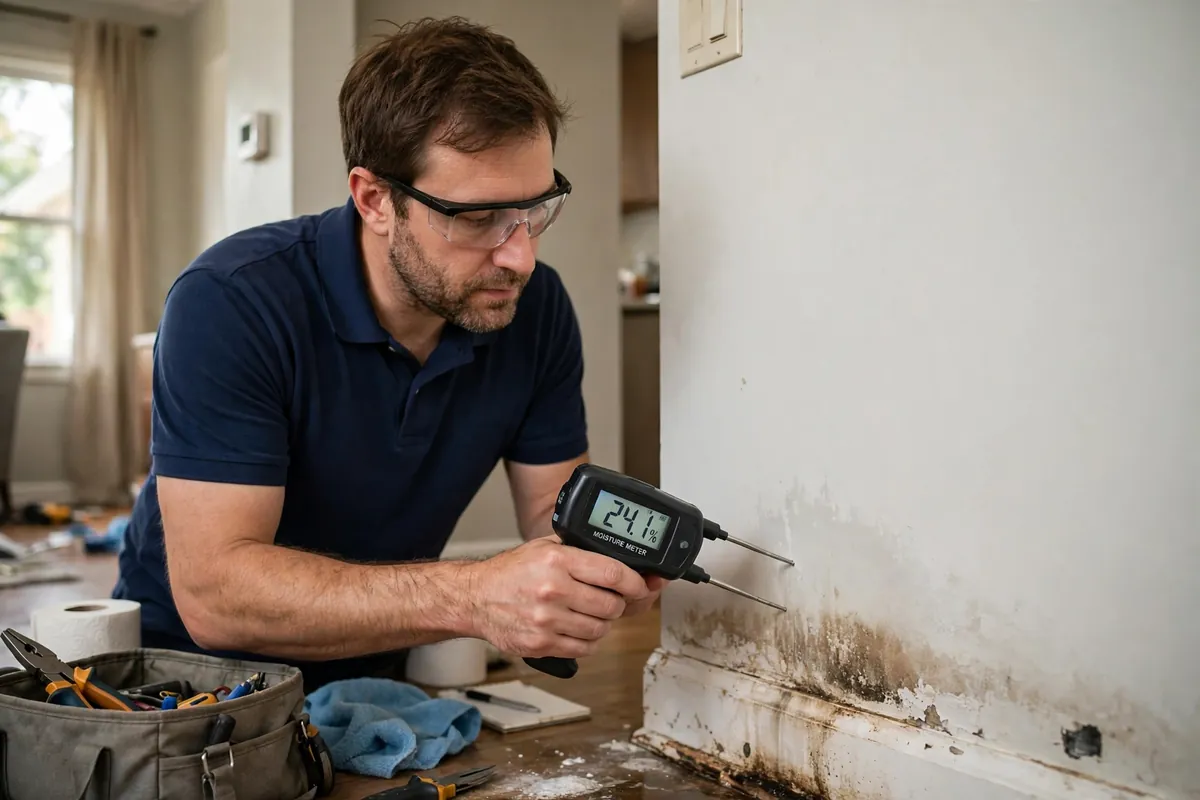
Why damp wall cavities and crawlspaces smell musty after a leak, what you can safely check, and when a hidden leak needs a pro.
Read more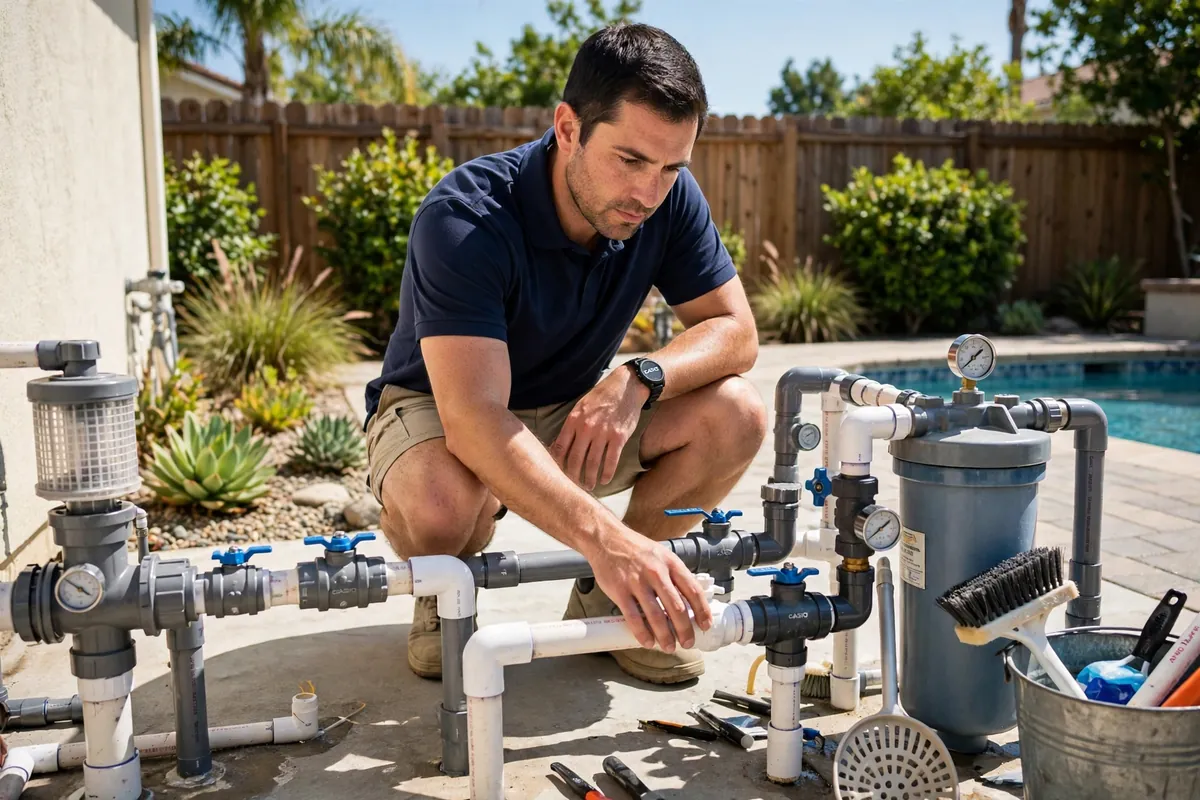
The bucket test step by step, equipment-pad checks, and when pool plumbing detection is the right call.
Read more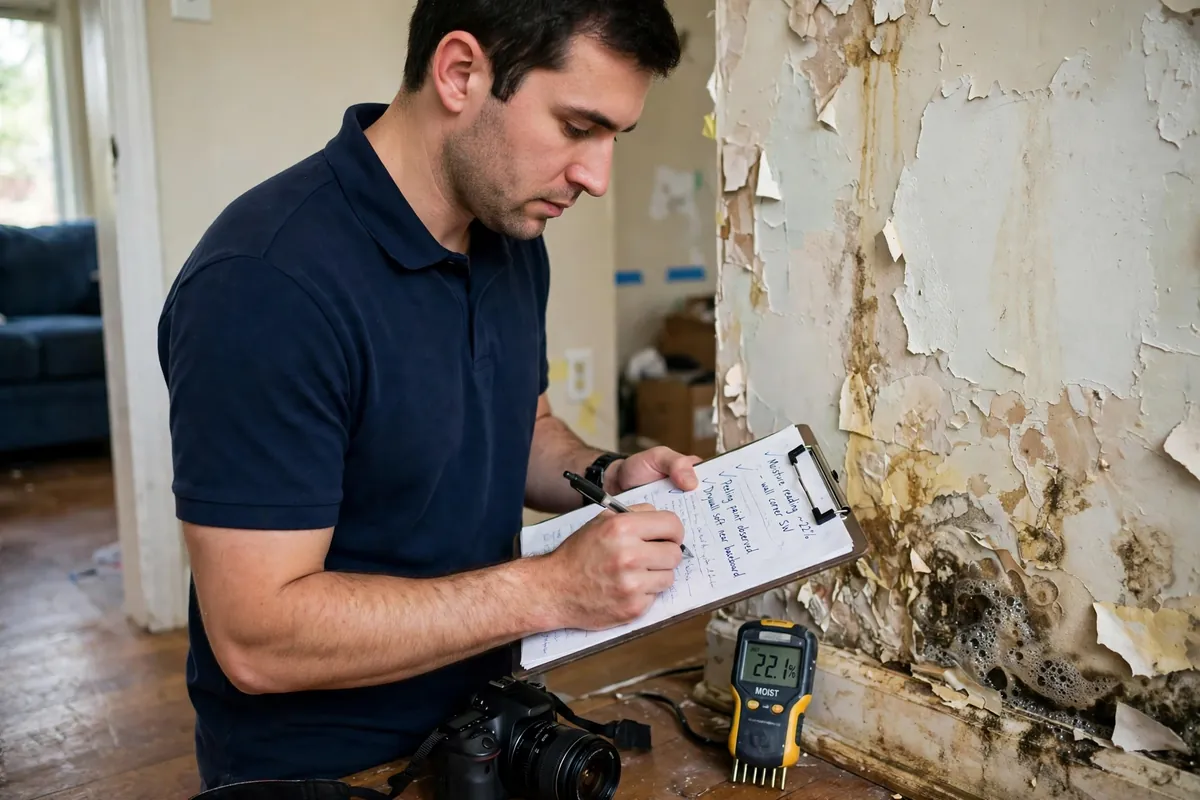
What a detection report typically includes for a claim: findings, location, testing method, photos, and how to ask for one.
Read moreThose are the three signs we hear about most. Call and describe yours, and we'll point you at the right next step.
If any of these guides sounds like your house, a detection visit settles it.