Leak Detection in Westwood
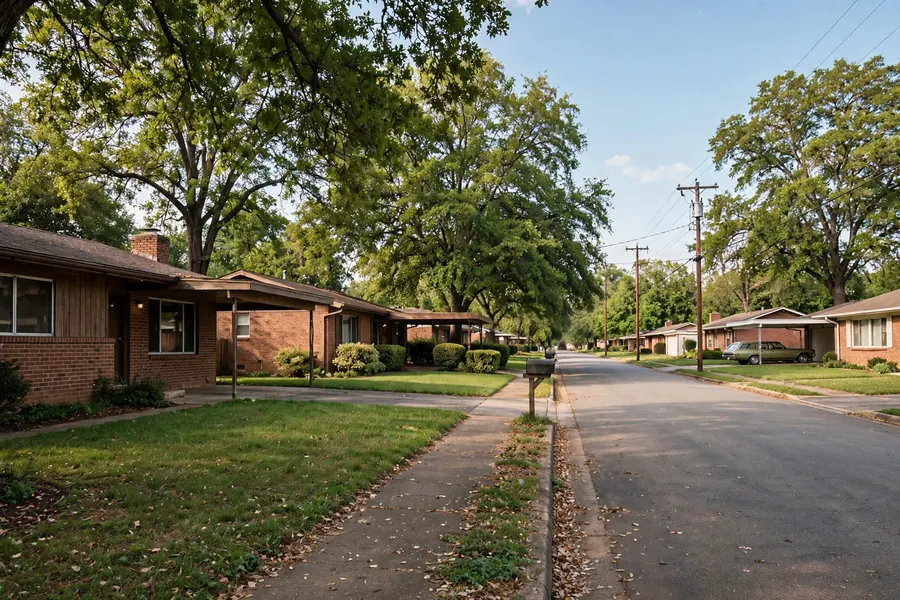
Westwood is one of Columbia’s classic established subdivisions: brick ranch homes, mostly from the 1960s through the 1980s, sitting close to Maury Regional Medical Center and Maury County Park. The houses are solid. The plumbing is just getting old enough to matter.
What a Typical Westwood Service Call Looks Like
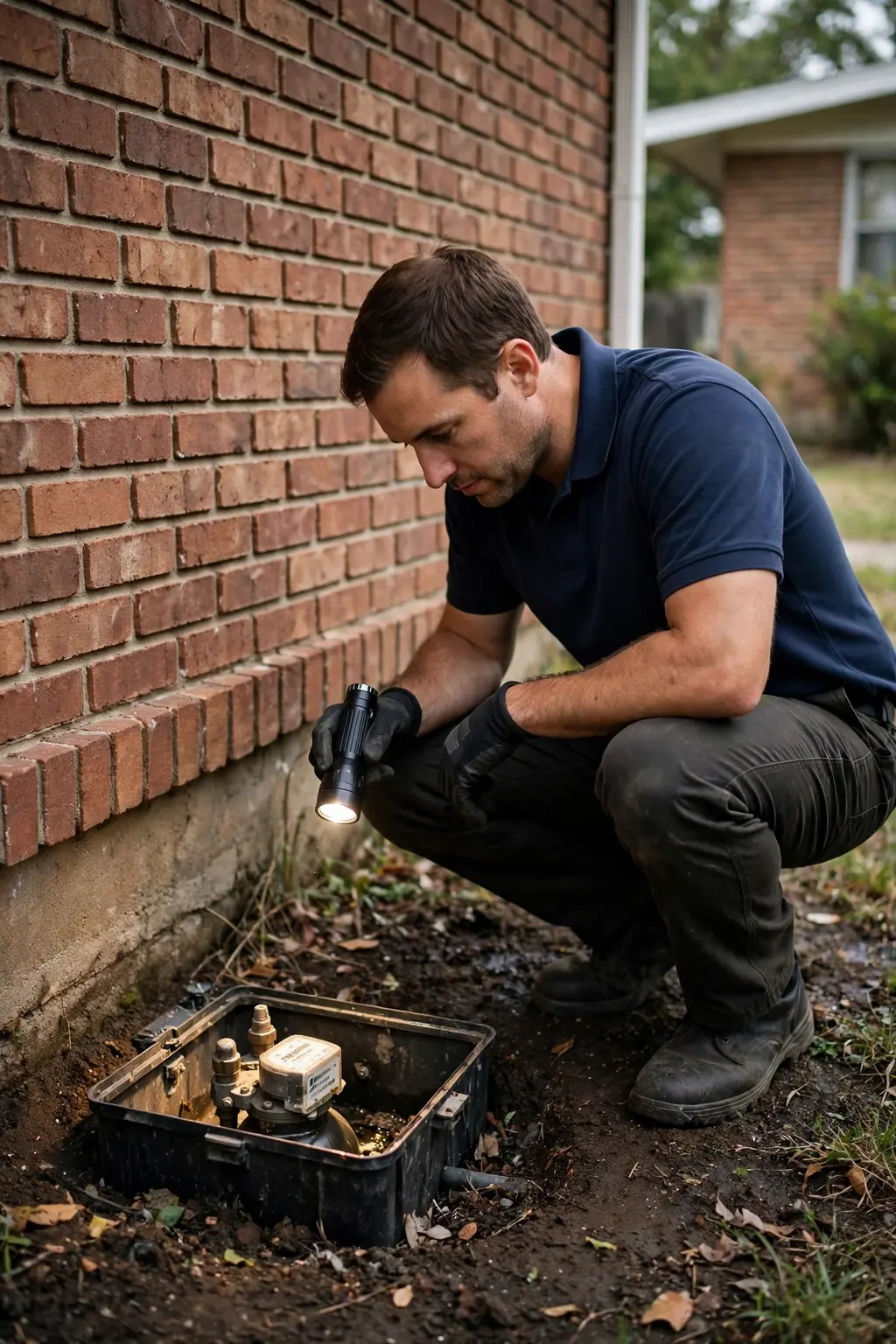
The phone rings and someone says their water bill jumped two months in a row, but there’s no water anywhere. Or they found a damp spot on the laundry room wall. Or the carpet near the hall bathroom feels funny. We come out, and the house is usually a brick ranch from the late 70s with mostly original plumbing.
Here’s what we do first: we shut everything off and watch the water meter. If it’s moving, water is leaving the system somewhere. Then we walk the house: fixture shutoff valves, listening at walls, scanning floors for temperature differences. In Westwood, the answer is usually one of three things: a shutoff valve weeping behind a toilet or sink, a corroded water heater connection, or a supply run under the slab that’s finally given out.
Spotted a warning sign? Let’s find the source.
Most leaks are located in a single visit. Call now and tell us what you’re seeing.
Three Things That Bring Us to Westwood
Fixture shutoff valves that won’t seal
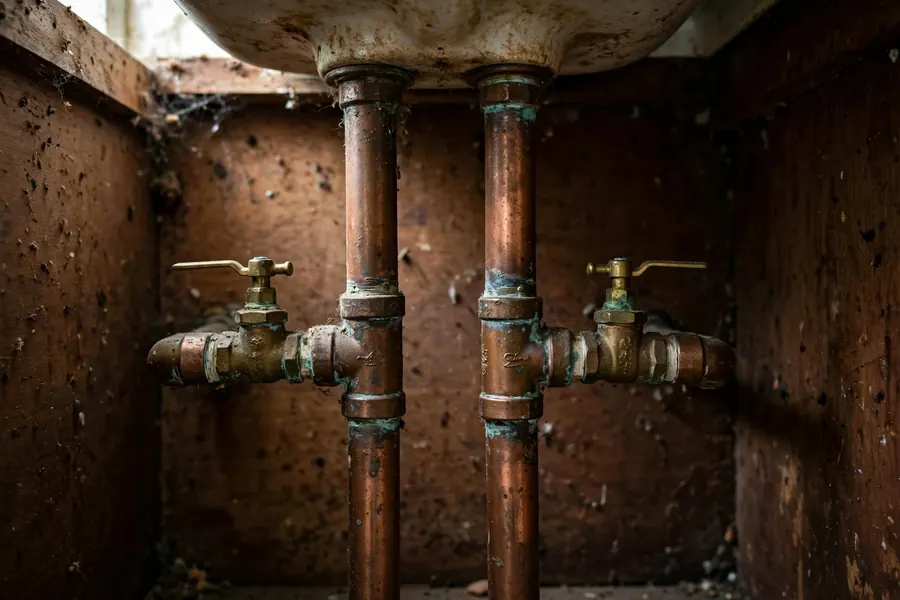
Every Westwood ranch has them: the little valves behind toilets and under sinks. In homes of this era they’re often original, and after decades of sitting untouched, many won’t fully close or start weeping once disturbed. We’ve seen more “my water bill spiked” calls traced to a bathroom valve than most homeowners would believe. Our faucet and fixture detection visit covers these point by point.
Water heater connections
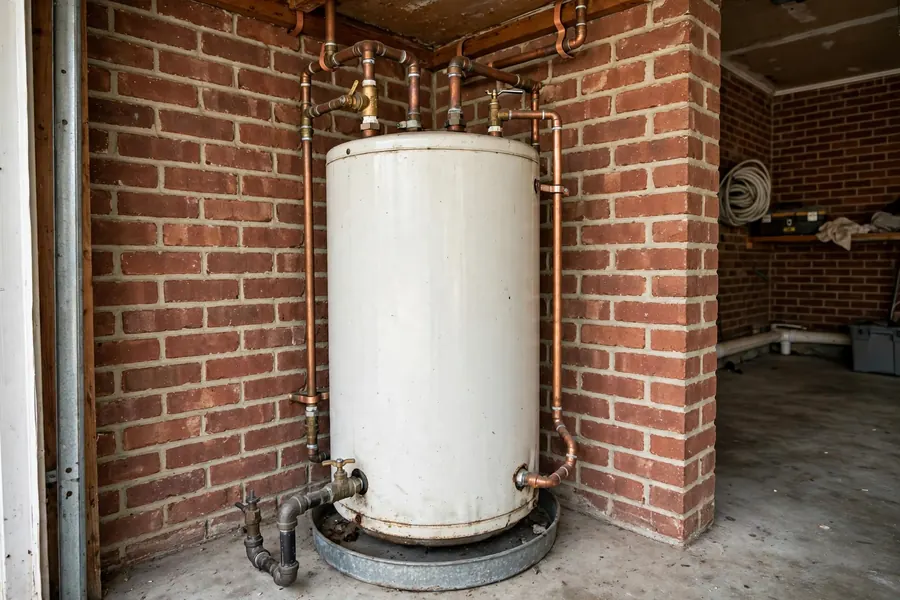
Many Westwood water heaters sit in the garage, and the top connections, the inlet, the outlet, the temperature-and-pressure relief line, corrode quietly for years. Middle Tennessee’s mineral-heavy water doesn’t help. The tank itself gets the blame, but half the time the leak is at a connection above it, which is a much better outcome. Learn what we check on a hidden leak detection visit.
Aging supply runs under the slab
These homes were built when slab foundations were standard, and the copper supply runs underneath have been sitting in Tennessee clay for forty-plus years, and the earliest Westwood ranches may still have galvanized sections mixed in. When one goes, the signs are subtle: a warm patch on the tile, damp carpet edges, or the sound of water when the house is quiet. That’s slab leak detection territory, and it’s one of our most common Westwood calls.
The Shutoff Valves Nobody Touches
Every Westwood home has angle stops and supply valves tucked behind toilets, under sinks, and behind the washing machine. In a 1960s–80s ranch, many are original to the house, sitting in the same position for decades while the washers and packing dried out or hardened.
The classic scenario goes like this: a homeowner closes the valve to swap a faucet, and the valve starts weeping from the stem the moment it moves. Cranking it tighter rarely stops the weep; the packing inside has hardened, and forcing it can snap the stem. Leave that one to a pro. Or it weeps on its own and drips inside a vanity cabinet for weeks before anyone notices. The cabinet bottom swells, and by the time there’s a stain, the damage is bigger than the drip that caused it.
When we come out for a water leak detection visit in Westwood, the valves are always on the checklist. We pressure-test individual runs and isolate fixtures to see which one is losing water. It’s unglamorous work, but it finds leaks that would otherwise stay hidden for months.
Water Heaters at End of Life
Most Westwood water heaters live in the garage, a forgiving spot for a leak: you see the puddle, you call someone. But the connections on top of the tank are sneakier. The inlet and outlet nipples, the dielectric unions, the relief valve discharge line, these corrode where you don’t look, and the first sign is often a mineral crust or a damp ring on the tank’s top.
Heaters here may have been replaced once or twice already, and each replacement is only as good as the installer’s connections. We check the whole assembly: tank base, top connections, relief line, and the shutoff valve feeding it. If the tank itself is the problem, we’ll tell you straight; a bad connection is a much smaller fix.
One tip that costs nothing: once a year, wipe the base of the tank dry and check it a day later. If it’s wet again, call us before it lets go on a Sunday morning.
Westwood’s Location Works in Your Favor
Westwood sits close to Maury Regional Medical Center and not far from Maury County Park, so we’re usually already nearby. When water is actively coming in, ten minutes beats forty.
The established trees and settled soil are part of the Westwood story too. If you’re in a Westwood ranch and the water bill climbs with no visible cause, an underground leak detection visit is the sensible next step. And if you’re anywhere else in the city, our Columbia, TN page covers the whole picture.
Westwood Leak Detection FAQs
My Westwood home was built in the 1970s. Are the original pipes still okay?
They may be, but homes of this era often have supply lines, valves, and water heater connections that are reaching the end of their reliable life. Plenty of original shutoff valves and supply runs look fine until they’re disturbed, then they won’t seal again. A detection visit tells you which runs are holding and which are suspect, before one fails on its own.
I found water behind my washing machine. Is that a leak worth calling about?
Yes. In Westwood ranches, laundry connections are one of the most common failure points: aging supply hoses, tired shutoff valves, and drain standpipes that can back up. Even a slow weep behind the machine soaks the wall and floor over time, and feeds mold in the wall cavity. Turn off the washer’s supply valves if you can reach them, and call us to trace whether the water is coming from the supply or drain side.
How do I know my water heater is leaking and not just sweating?
Condensation on a cold tank dries; a leak leaves mineral trails, rust streaks, or a puddle that comes back after you wipe it dry. We also check the top connections and the relief line. If the base of the tank is damp more than once, call before it lets go.
Do you serve the streets around Maury Regional Medical Center?
Yes. We take calls from all the streets around Maury Regional Medical Center and Maury County Park, same pricing and non-invasive approach, whether you’re two blocks from the hospital or on the far edge of the subdivision.
Can you find a leak without tearing up my ranch’s concrete slab?
That’s the whole point of detection work. We use methods commonly used in the trade, acoustic listening, thermal imaging, pressure testing, to pinpoint the run before anyone discusses cutting concrete. Most get located within a small area, so any repair opening stays minimal and happens only with your approval.
Leak in Westwood? Call (931) 800-6431
High bill, damp spot, funny sound behind a wall. Tell us what you’re seeing and we’ll come find it, without tearing your house apart.