Every Way a Leak Can Hide, and How We Find It
Seventeen visits, one specialty behind all of them. Think of this page as the full menu: every kind of detection visit we make, what it covers, and which one fits what you're seeing. No repairs, no remodels, no upsells, detection only.
Match the visit to the situation
Think about where the problem lives. Outside the house — soggy ground, a meter that won't sit still — points toward the underground or water-line visit. Inside the structure — stains, sounds, warm floors — points toward pipe, slab, or ceiling-and-wall. A misbehaving fixture points to that fixture's visit. Still stuck? Describe it when you call and we'll match you to the right one.
Water Leak Detection
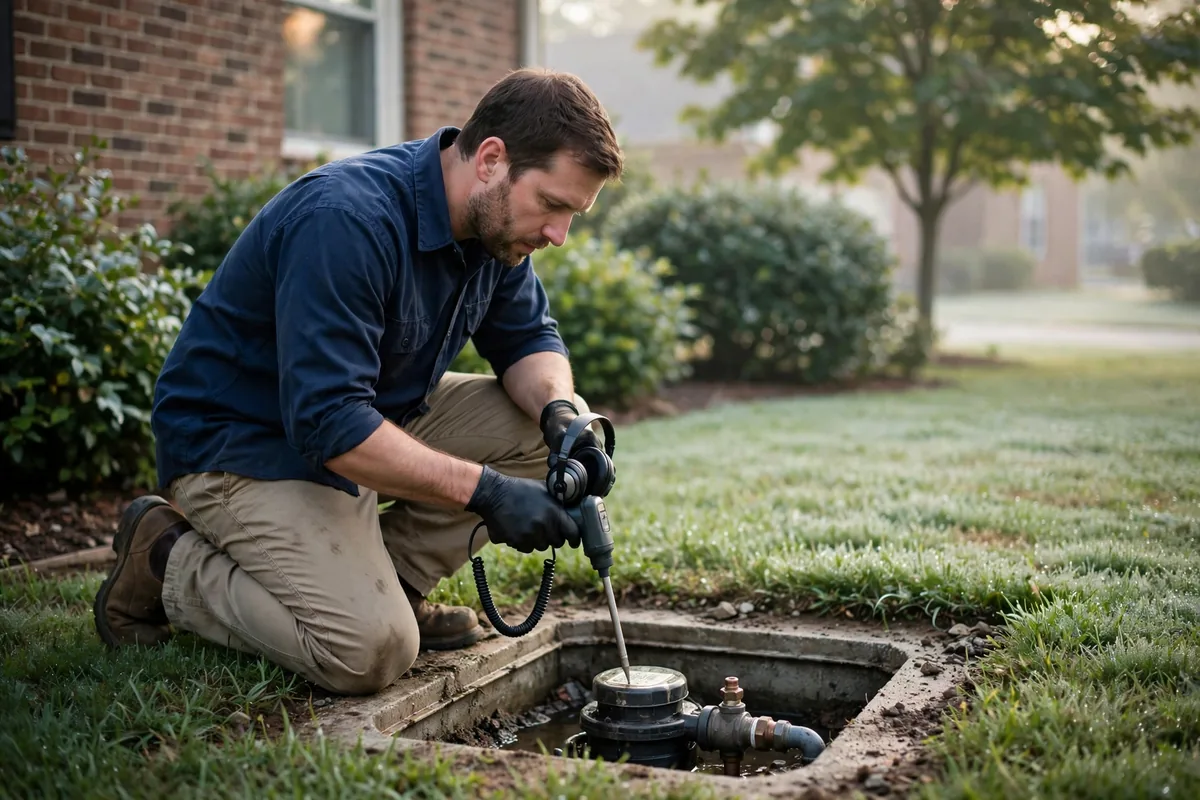
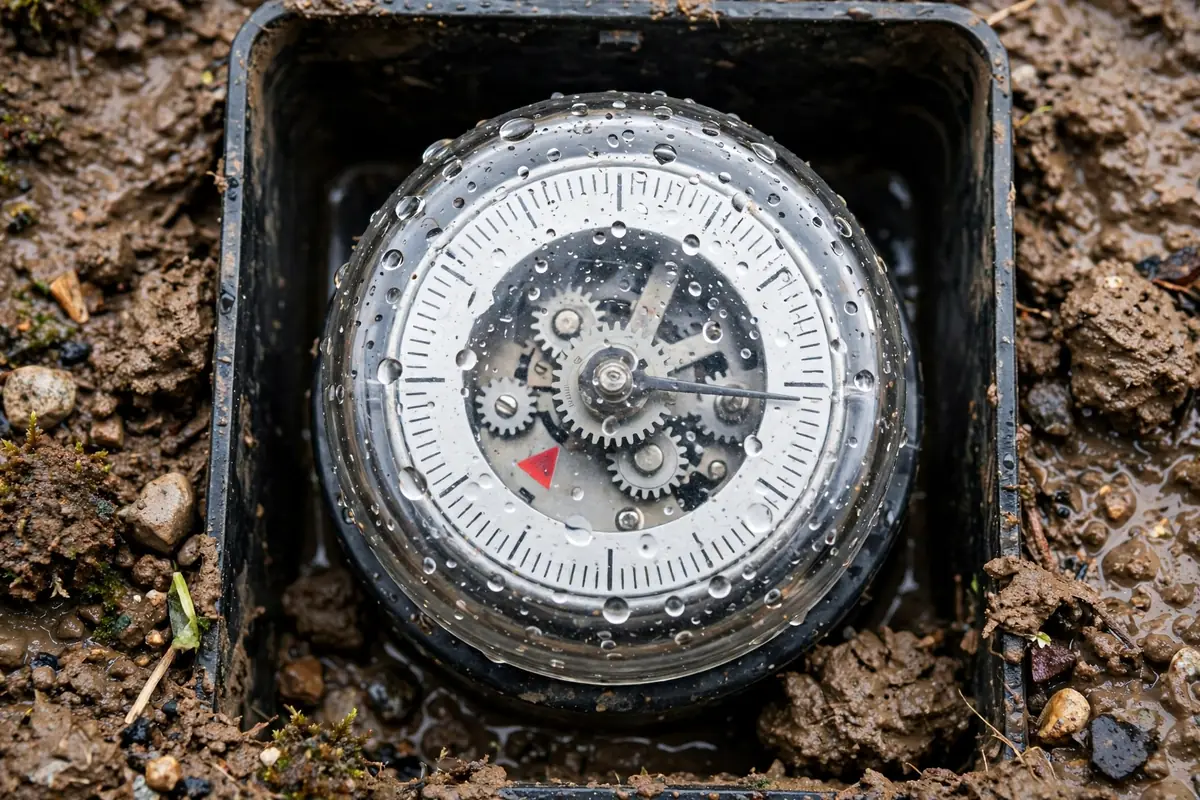
The full-property sweep: meter test, moisture mapping, and a systematic pass over supply and drain lines for when the leak's location is a mystery.
Learn more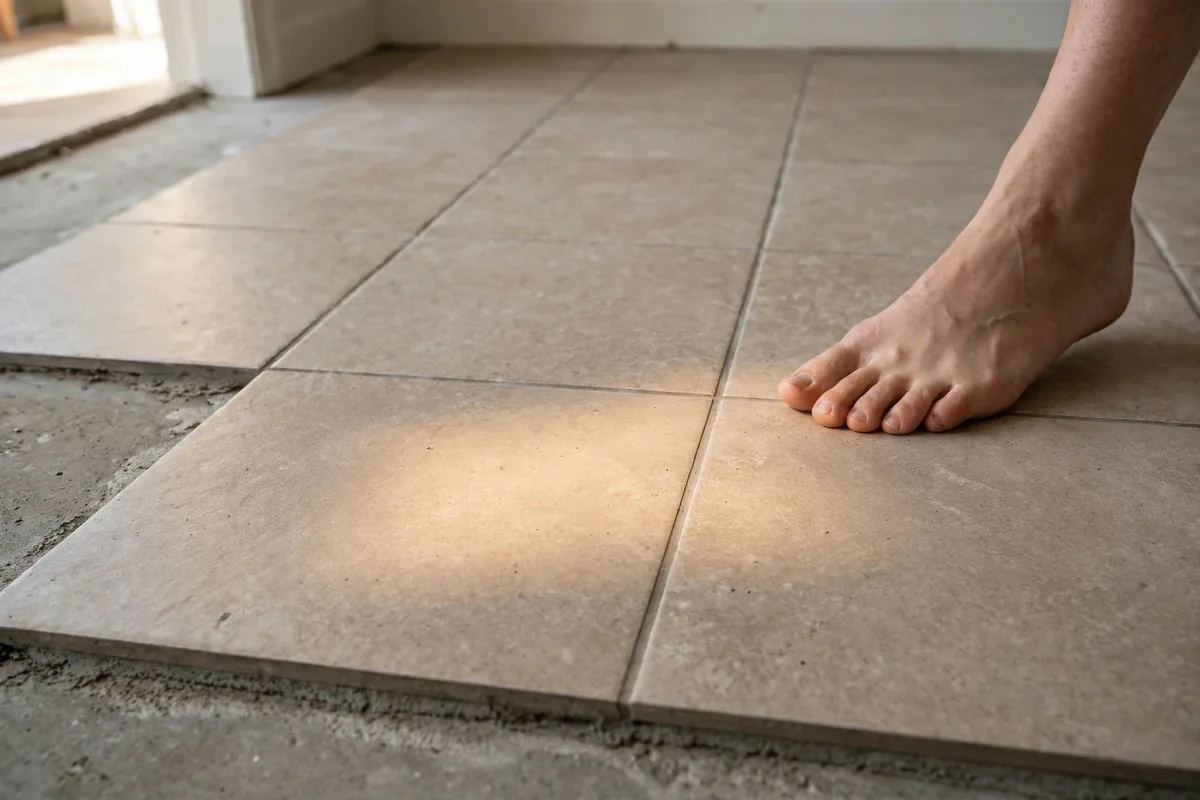
Slab Leak Detection
Under-slab supply lines traced with acoustic sensors and thermal imaging, then marked on the floor so any repair opens concrete in one spot.
Learn more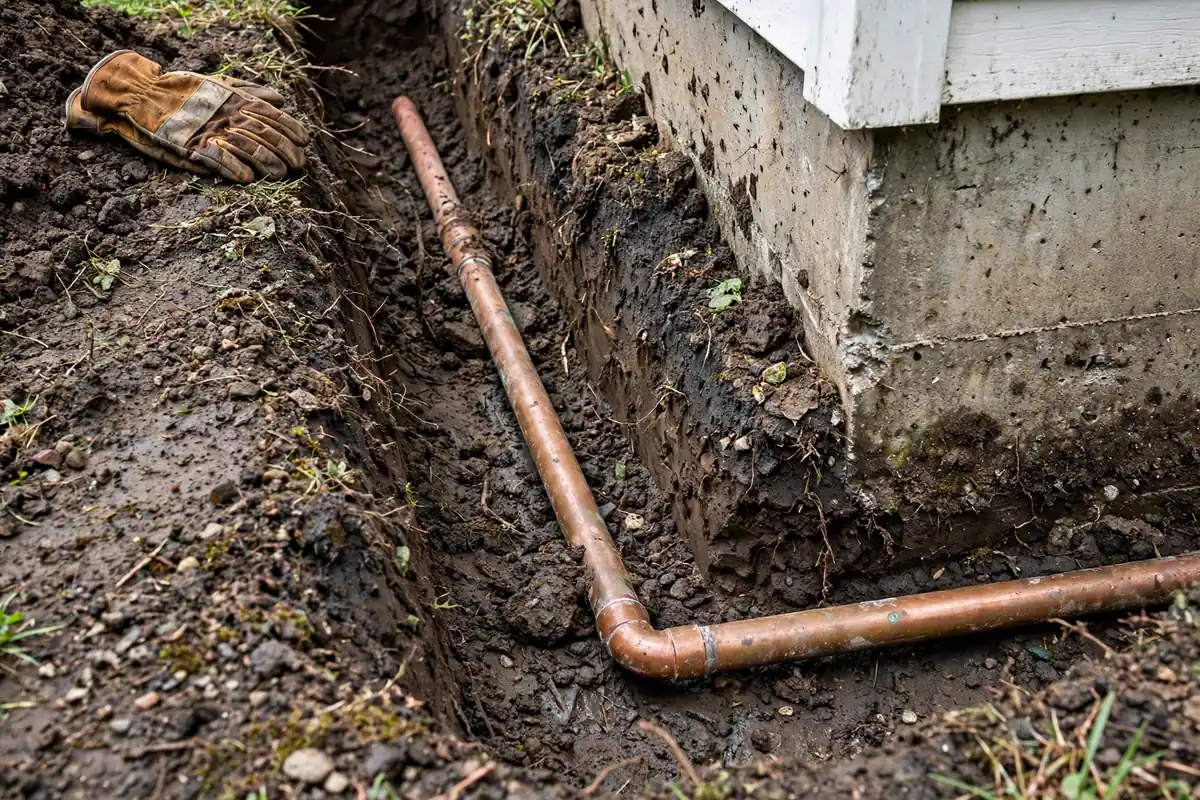
Underground Leak Detection
Buried lines located with line tracing and acoustic correlation, flagging the break so digging stays to a single hole.
Learn more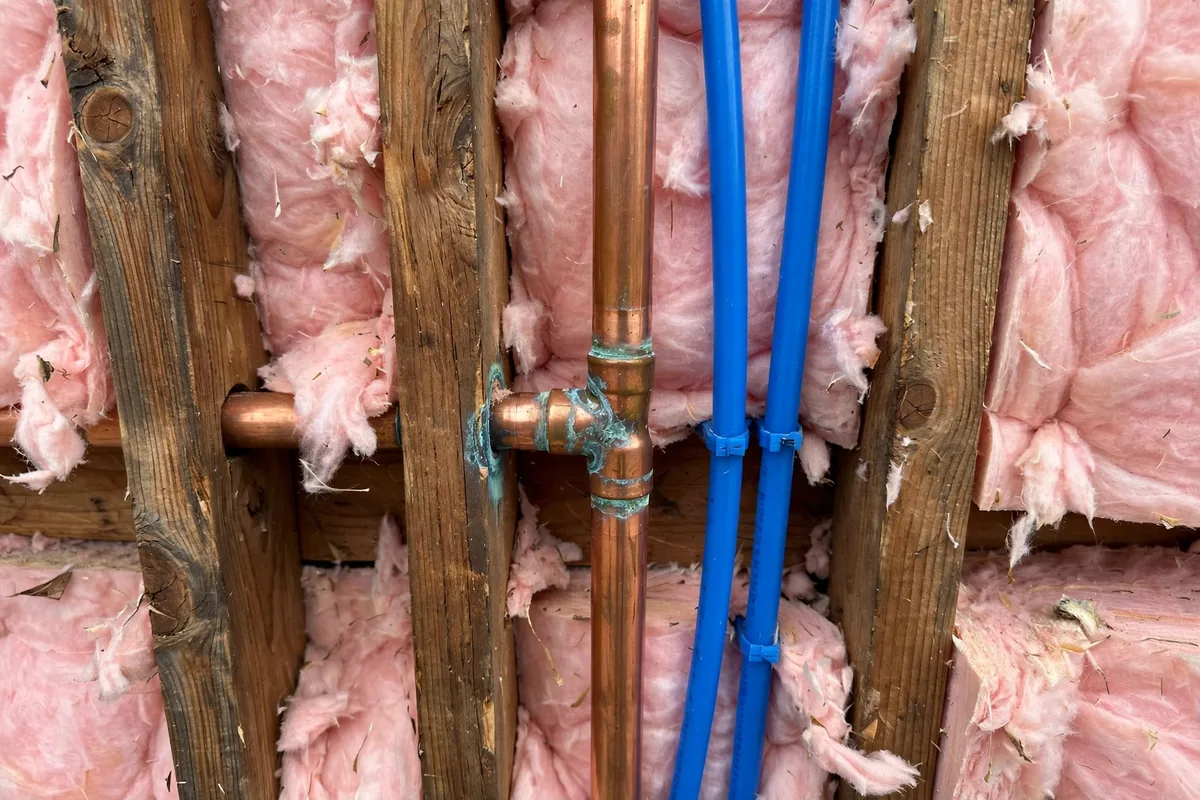
Pipe Leak Detection
Pressurized supply pipes isolated section by section, then listened down with acoustic equipment to the exact run.
Learn more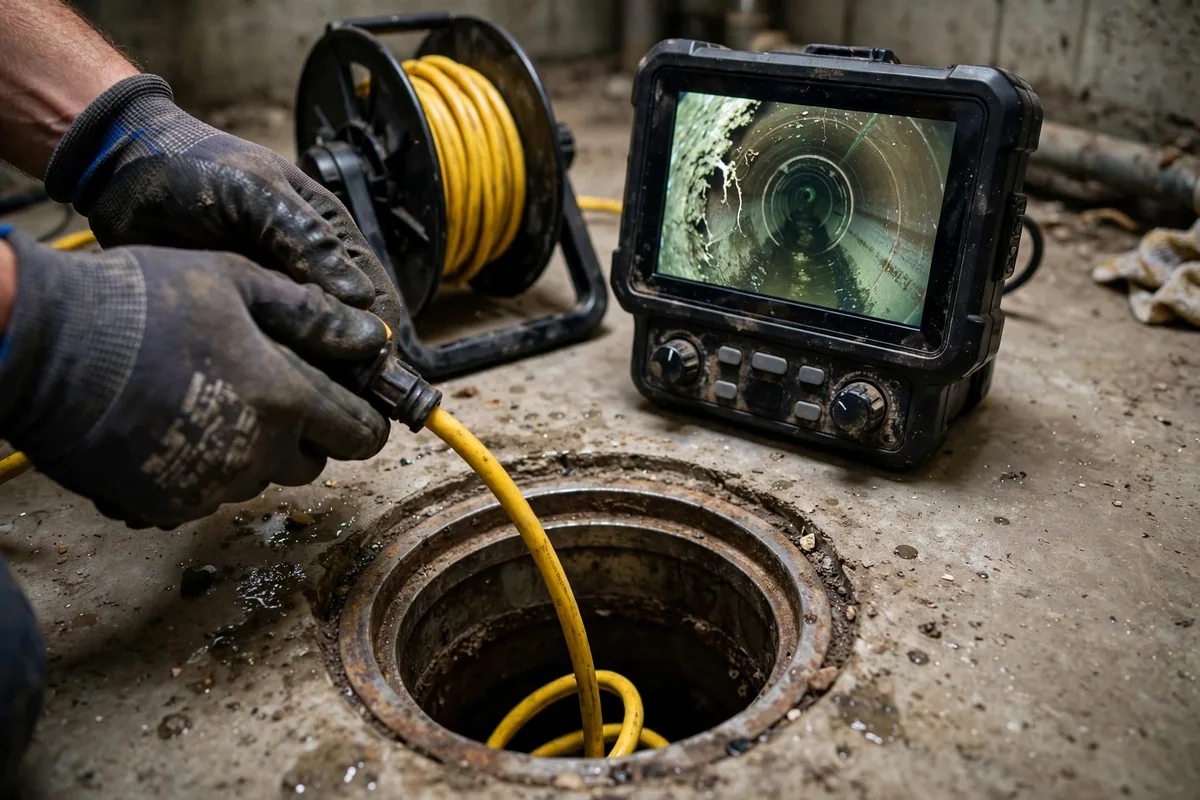
Sewer Leak Detection
Push-camera inspection through cleanouts to see cracks, separations, and root intrusion, with the defect located from above ground.
Learn more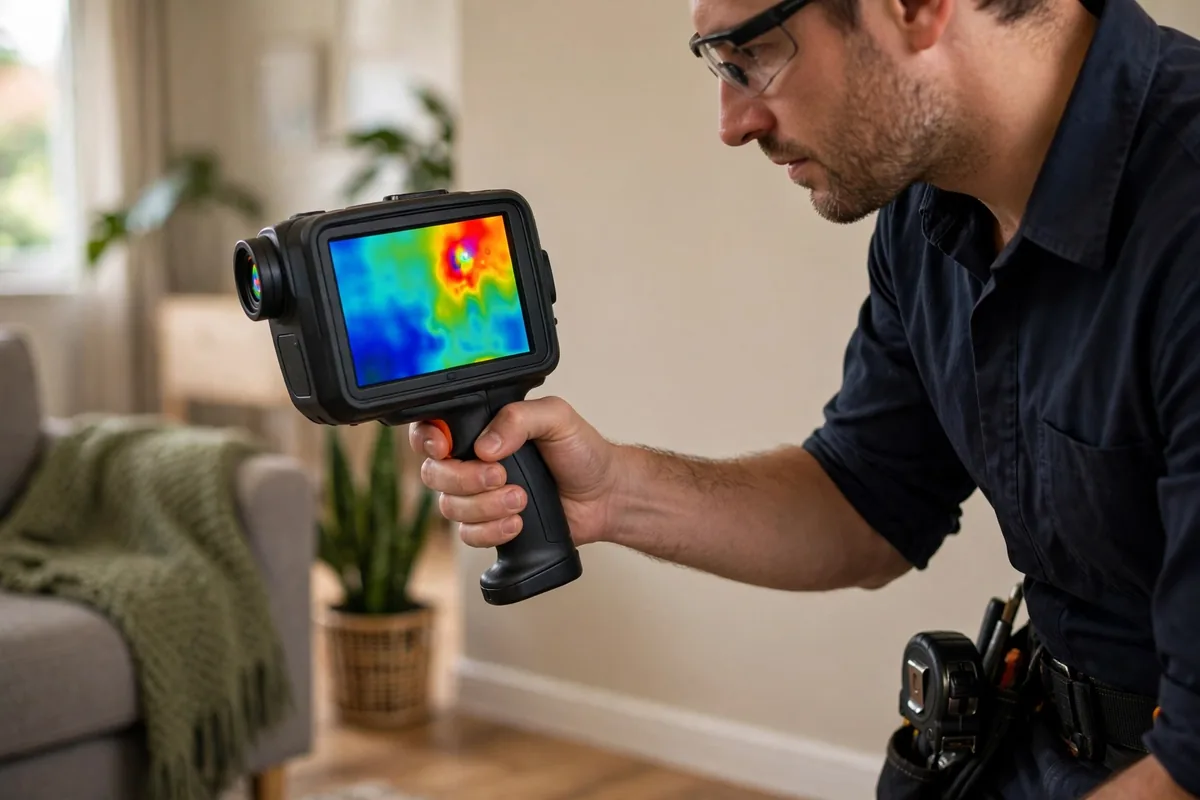
Hidden Leak Detection
The no-visible-water visit: a structured process of elimination across meter, walls, floors, and fixtures until the numbers add up.
Learn more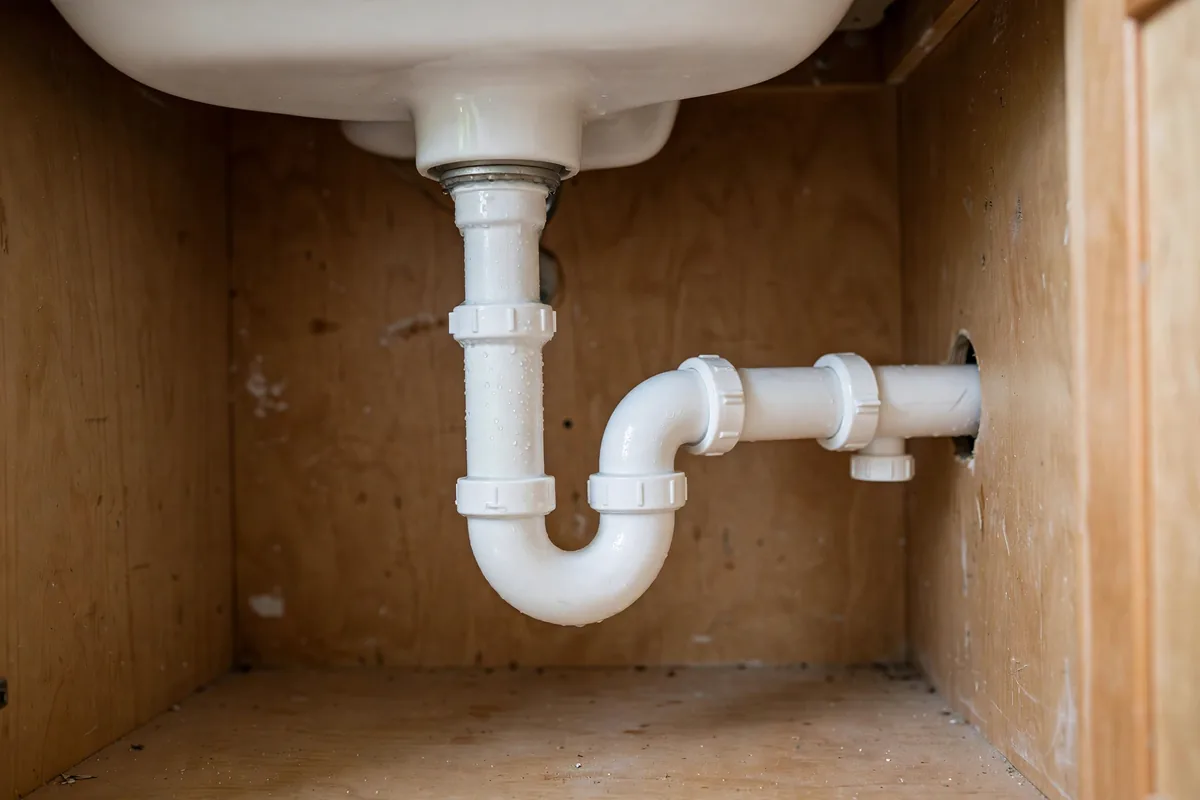
Drain Pipe Leak Detection
Fixtures run one at a time while we watch for moisture below and behind — the only reliable way to catch leaks that only happen under flow.
Learn more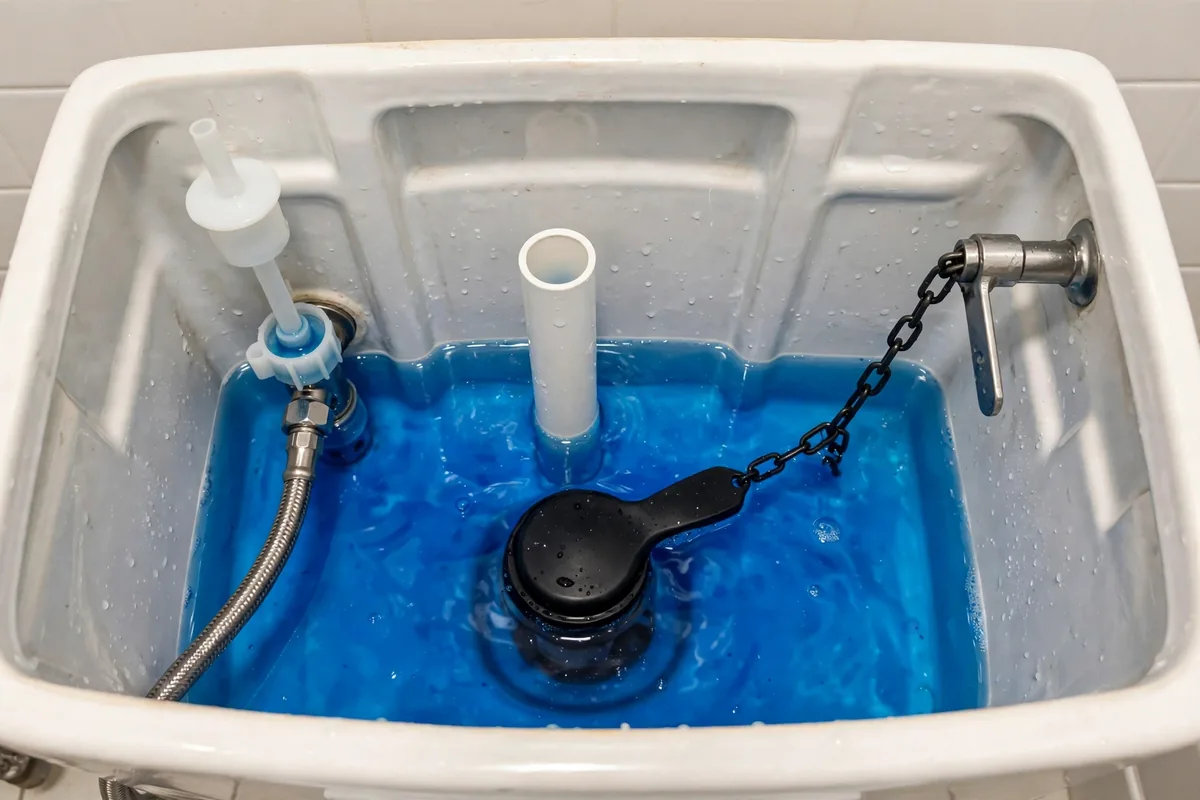
Toilet Leak Detection
Dye testing, fill-valve checks, and wax-ring and flange inspection to separate a simple flapper fix from a subfloor problem.
Learn more
Faucet & Fixture Leak Detection
Supply and drain connections behind and beneath fixtures tested under pressure to catch the slow seeps that ruin cabinets.
Learn more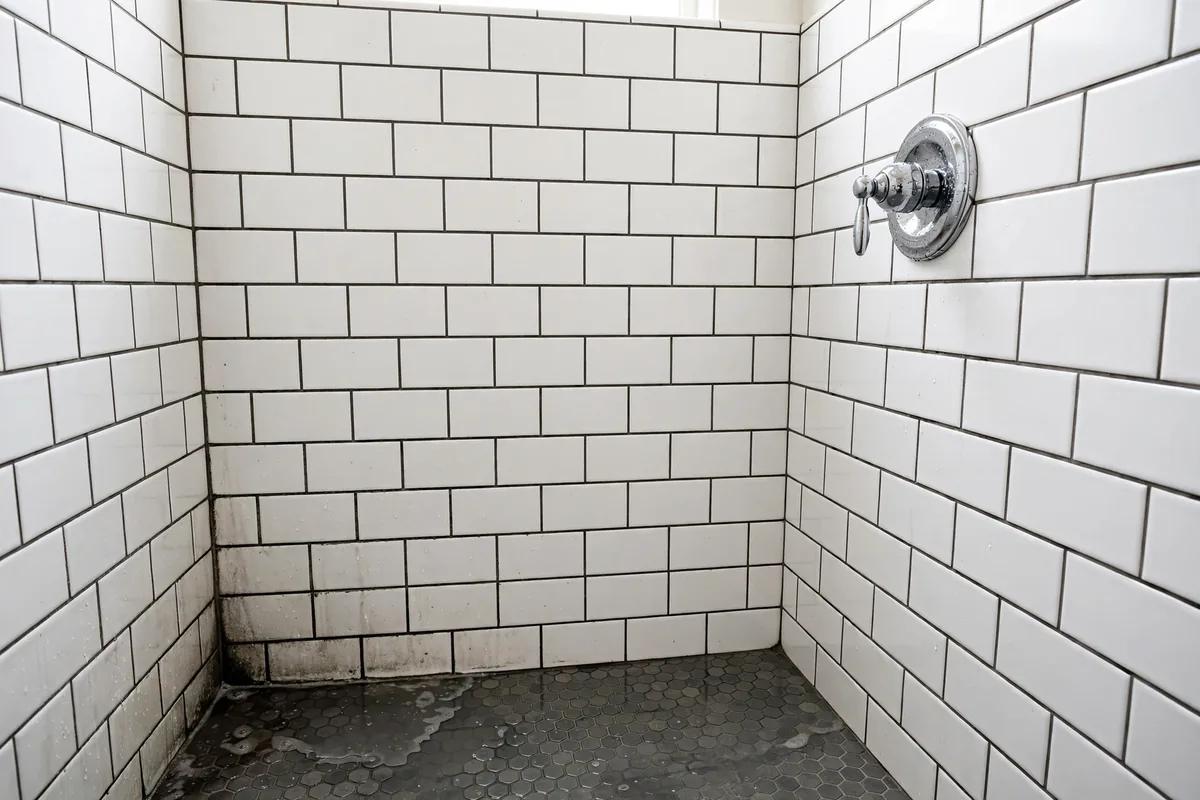
Bathroom Leak Detection
Shower pans, tub surrounds, and valve walls tested individually to tell supply leaks from drain leaks from grout failures.
Learn more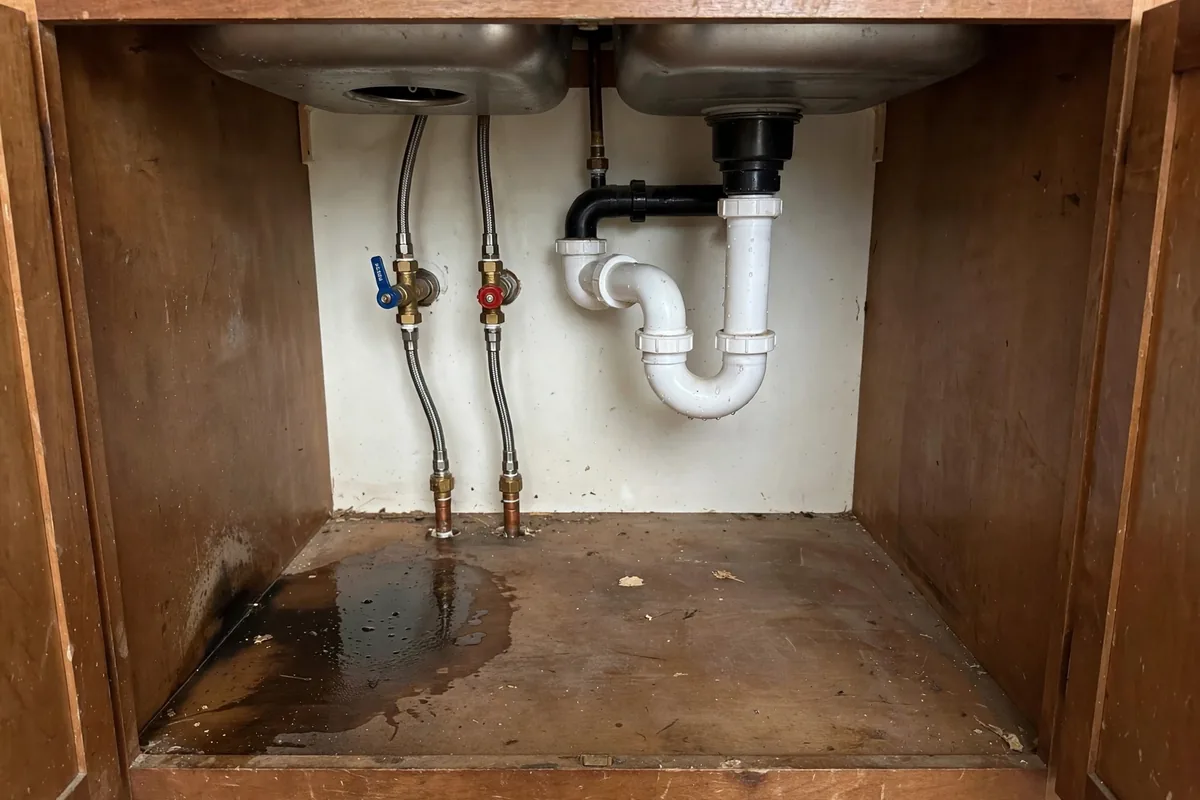
Kitchen Plumbing Leak Detection
Under-sink plumbing, dishwasher branches, and ice-maker lines checked for the slow drips that swell cabinet floors before anyone notices.
Learn more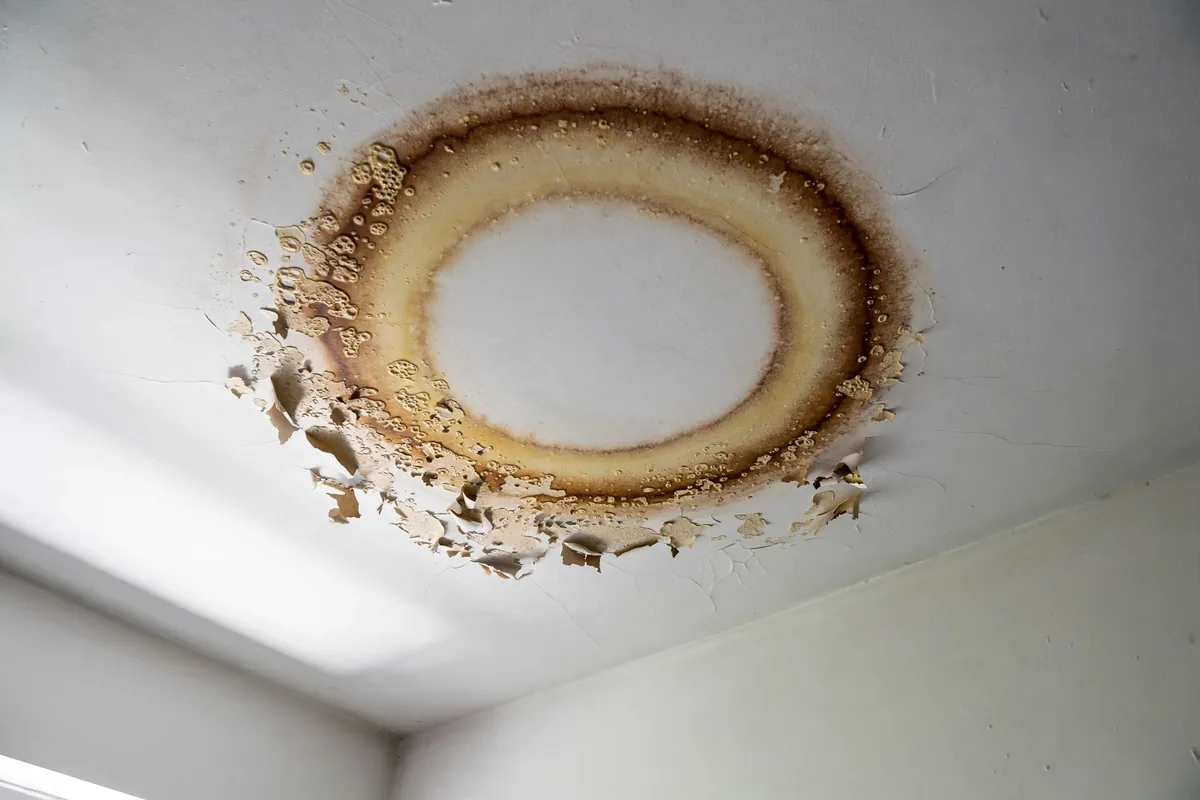
Ceiling & Wall Leak Detection
Moisture meters and thermal scans map the wet area, then we trace uphill and upstream to the actual entry point.
Learn more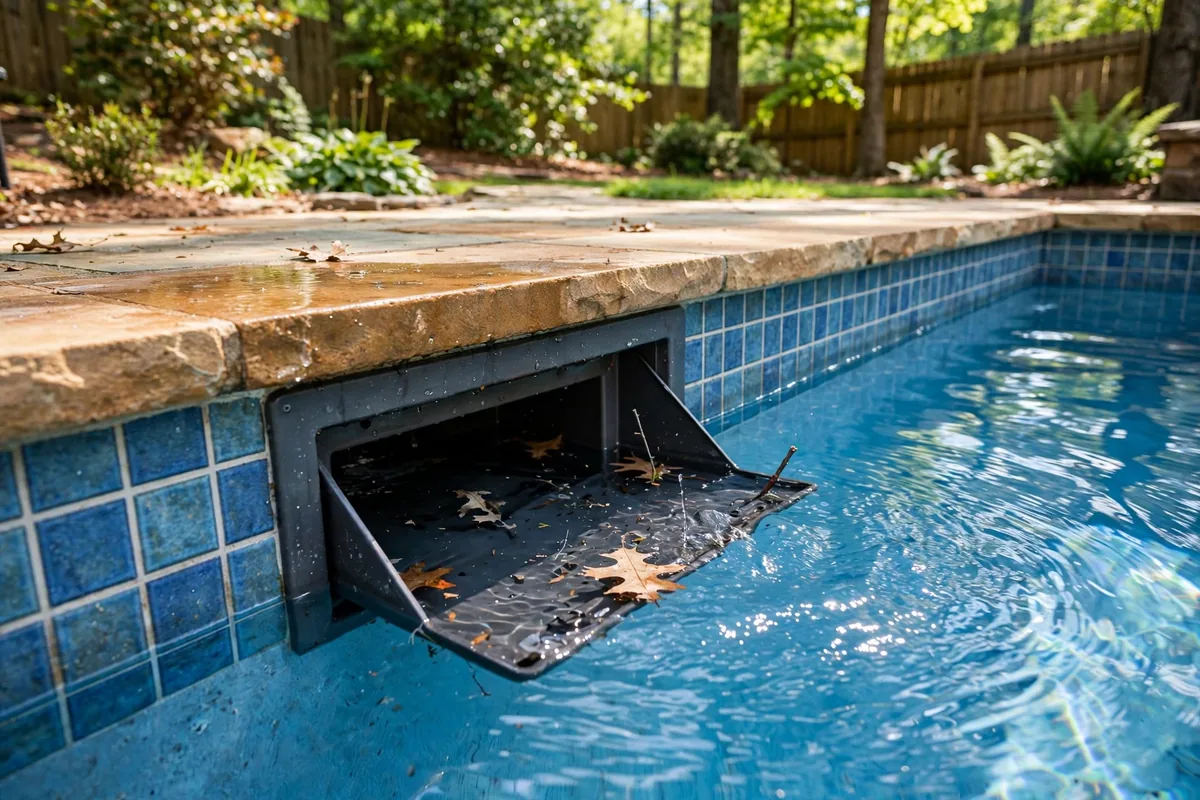
Pool Plumbing Leak Detection
Skimmer, main drain, and return lines pressure-tested independently to find which leg of the system is losing water.
Learn more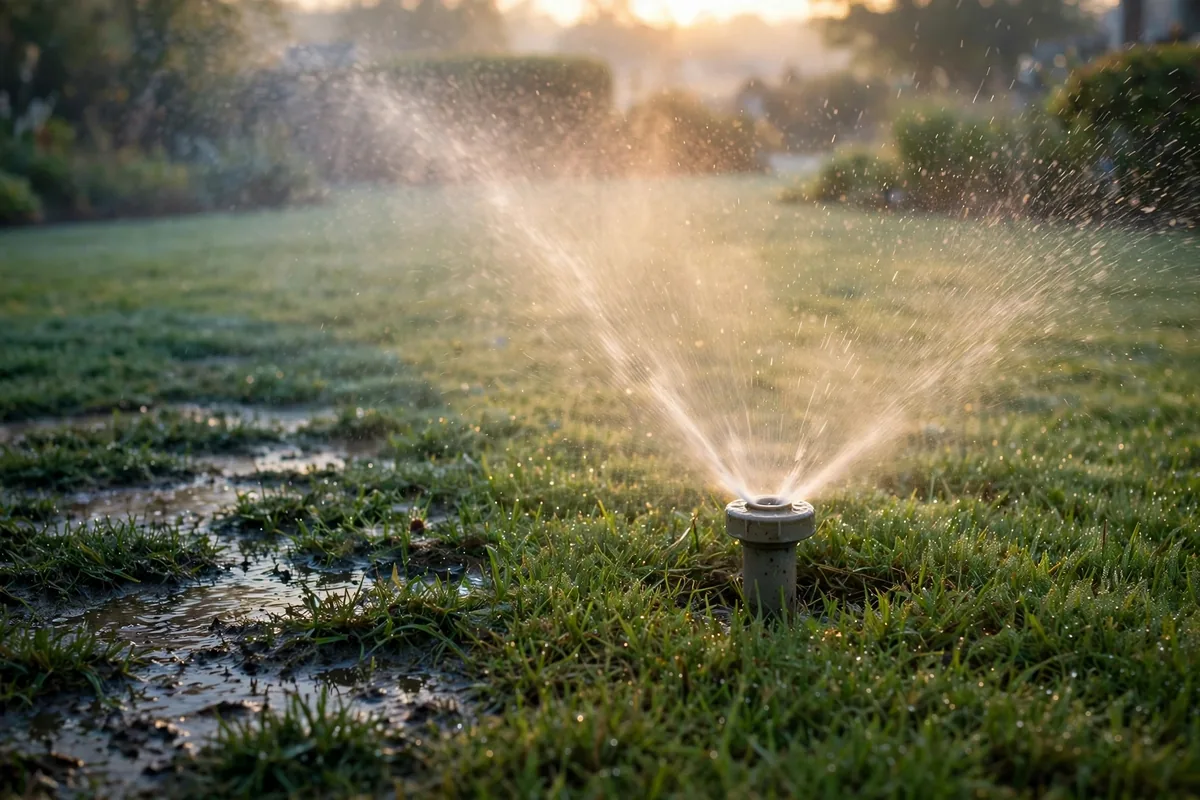
Irrigation Leak Detection
Zones run and walked one at a time, listening for line breaks and checking valve boxes for weeping seals.
Learn more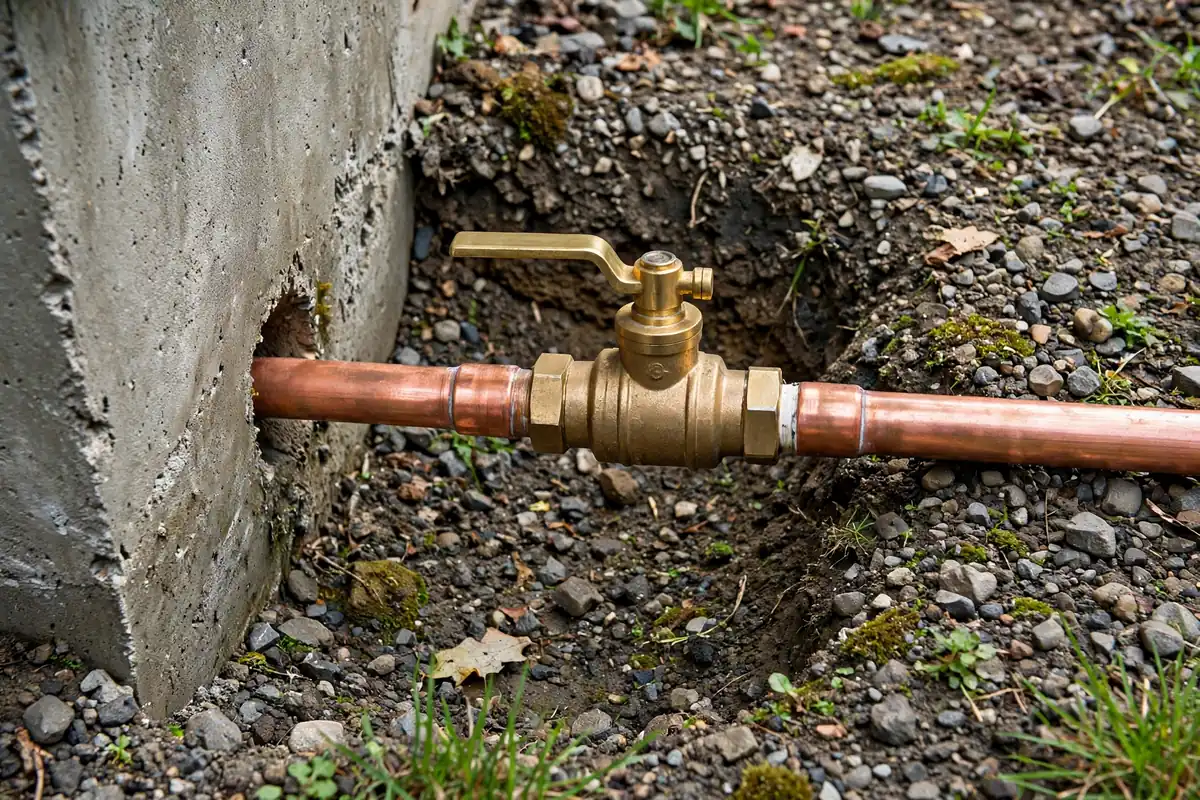
Water Line Leak Detection
The meter-to-house service line tested for loss, then traced and listened down so the repair dig lands on the break.
Learn more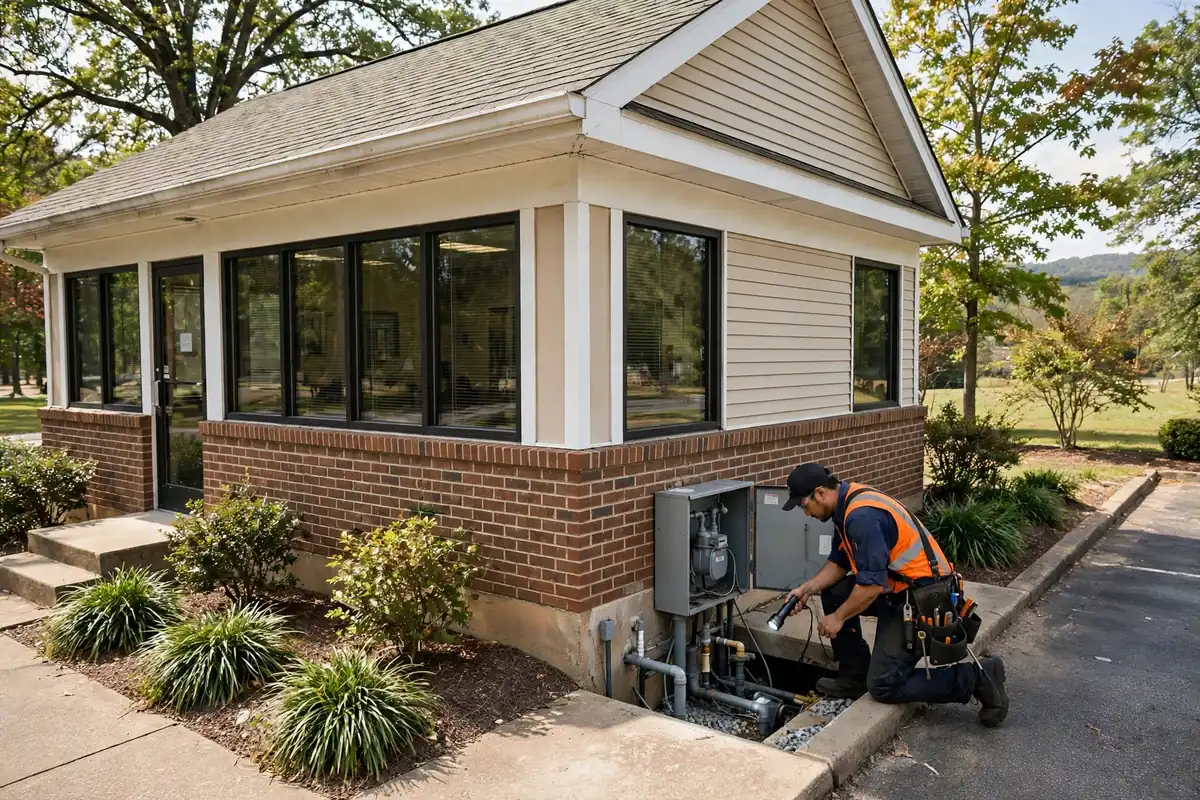
Commercial Leak Detection
Larger systems handled in stages — restrooms, kitchens, utility runs — with documentation your maintenance team can hand to a contractor.
Learn more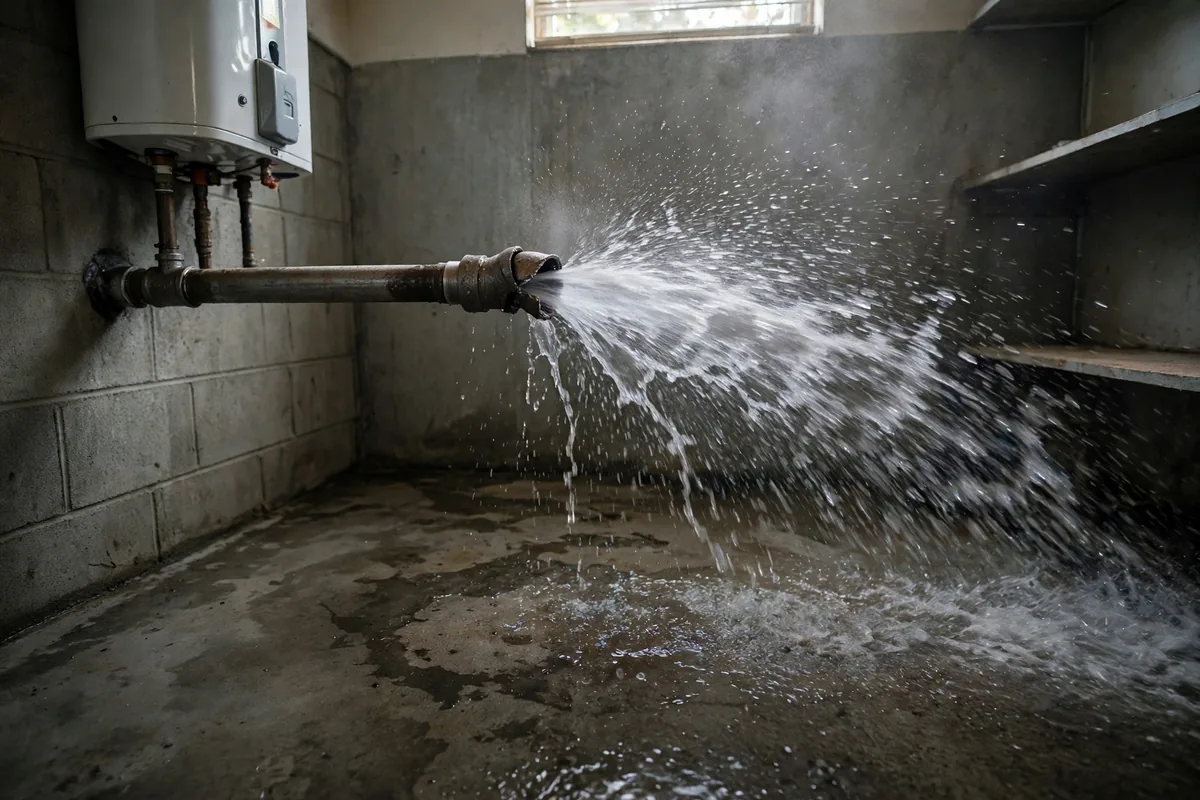
Emergency Leak Detection
Active leaks get priority scheduling: we find the source, help you get it shut down, and document what your repair pro needs.
Learn more
Two minutes on the phone beats a wrong guess.
Tell us what you're seeing and we'll match you with the right visit, or talk you through the free checks you can do first.
When to Call, and What to Do First
Not every symptom needs a visit tomorrow. Here's an honest breakdown.
Call now
Burst pipes, active flooding, sewage where it shouldn't be. Kill the main valve if you can do it safely, then call (931) 800-6431 — emergency visits get priority.
Call this week
A meter that moves with everything off, a warm patch on the floor, new stains, or a bill that jumped. These don't resolve on their own, and waiting usually makes the eventual repair bigger.
Check it yourself first
A toilet that might be running (the dye test), a damp cabinet (the paper towel test), or a pool losing water (the bucket test). A positive result is your answer — that's when you call us.
Columbia and Maury County, mapped by its plumbing
We're based around Columbia and work the city plus surrounding Maury County: Westwood, Graymere, Windermere, Sunnyside, North Columbia, Tall Trees Estates, and out toward Spring Hill, Mt. Pleasant, Chapel Hill, and Lewisburg. The 38401 and 38402 ZIPs are our core.
The local mix shapes how we work. Clay soil that shifts buried lines, a blend of older and newer pipe materials across neighborhoods, and winters that still freeze hose bibs and crawlspace pipes. We've seen how leaks behave around here, and every visit is planned around it.
Common Questions
What if I pick the wrong service?
It happens, and it's not a problem. The general water leak detection visit covers the whole property, so starting there is never wrong. If you book a specific visit and the signs point elsewhere once we arrive, we adjust on the spot and tell you before doing anything different.
Why don't you handle the repair too?
Keeping detection separate keeps the findings honest. We hand you written results — what leaked, where, and how we confirmed it — and your plumber or contractor takes it from there. Nobody benefits from us finding extra work for ourselves.
How do you find leaks without damaging anything?
The toolkit is built for it: acoustic listening for pressurized lines, thermal imaging for temperature differences caused by moisture, pressure and tracer-gas testing to isolate a section, cameras for drains and sewers. Cutting or digging only comes up with your approval, and usually not at all.
What does a visit cost?
It scales with the property and the complexity of the hunt. A one-bath ranch is a different visit than a commercial building. Call (931) 800-6431, describe what you're seeing, and we'll give you a straight number before anything is scheduled.
Pick the visit. We'll handle the finding.
Every entry above covers one kind of leak. Choose the closest match, or just call and describe it — we'll get you to the right visit.