What a Leak Detection Report Covers for Insurance
A good report answers three questions an insurer will ask: what was found, where exactly, and how was it found? Here is what that document typically contains and how to ask for one.
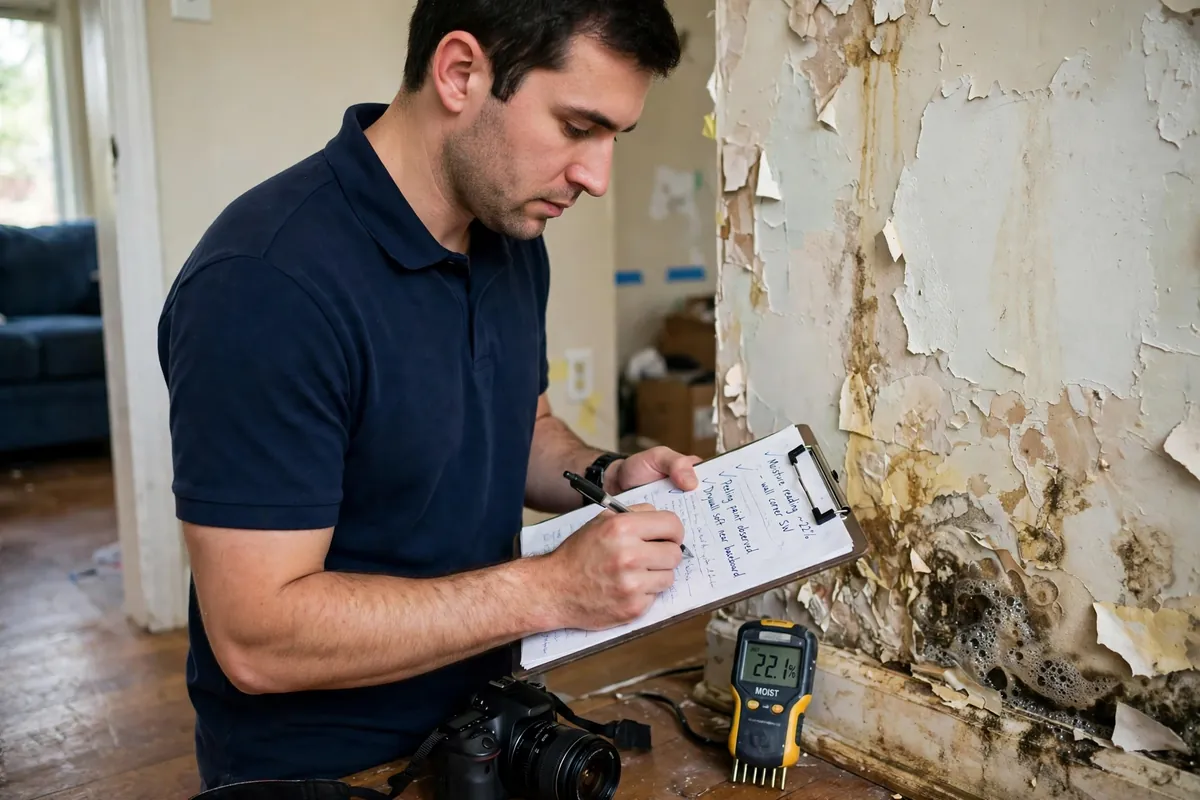
After a leak is found, a second question usually follows close behind: what do I send to my insurer? Most homeowners have never filed a water claim before, and the paperwork side of a leak can feel almost as stressful as the leak itself. A leak detection report is one of the documents that typically helps in that conversation, because it puts the findings in writing, in one place, from the company that actually located the leak.
This guide explains what such a report typically contains, how to ask for one, and what to share with an insurer. It is general information only, not legal advice and not a promise about any claim. Every policy is different, every insurer asks for different things, and a report documents what was found, it does not decide what a policy covers. Keep that distinction in mind throughout, and when a coverage question comes up, the insurer and your policy wording are the right places to settle it.
What a report typically documents
A typical leak detection report starts with the basics: the property address, the date of the visit, and the name of the company that did the work. That sounds obvious, but it matters for a claim file, because an insurer wants to tie the document to a specific property and a specific date, not to a vague memory of a visit. The report then usually describes what the homeowner reported, the symptoms that prompted the call, a high bill, a damp wall, a warm floor, the sound of running water, and what the technician found on arrival.
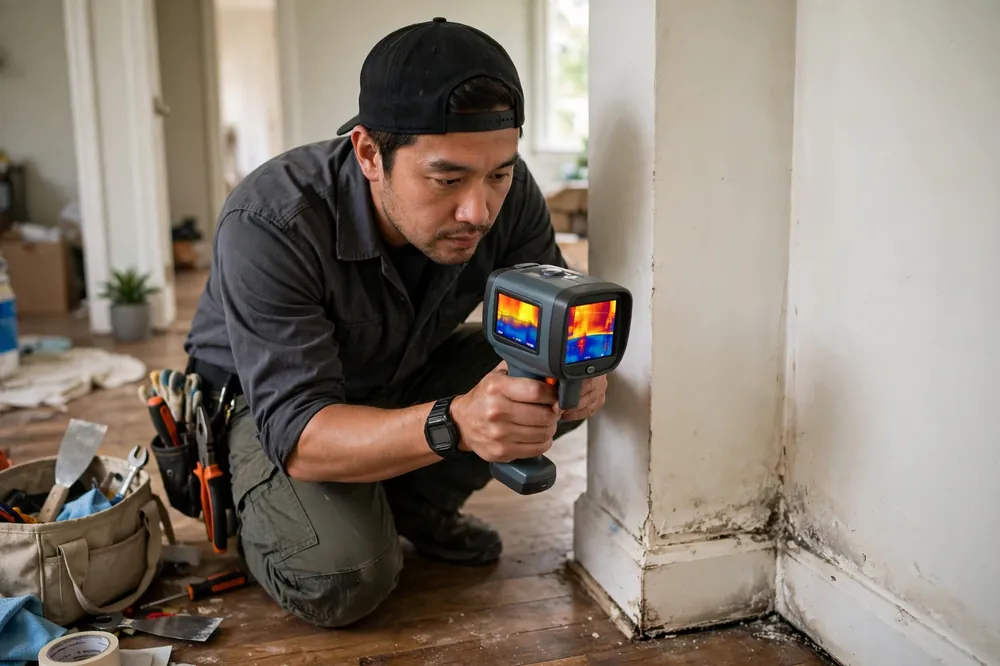
The core of the report is the findings section. This typically states where the leak was located, as precisely as the testing allowed, for example a supply run under a hallway floor, a joint at the water heater, or a section of service line in the front yard. It usually describes how the location was determined, which methods were used, acoustic listening, thermal imaging, pressure testing, meter isolation, tracer gas, or a combination, and what each method showed. A report that says a leak was found by acoustic listening at a specific wall, and confirmed by a pressure test on that run, reads very differently from a report that just says a leak was found somewhere, and that detail is exactly what a claim file benefits from.
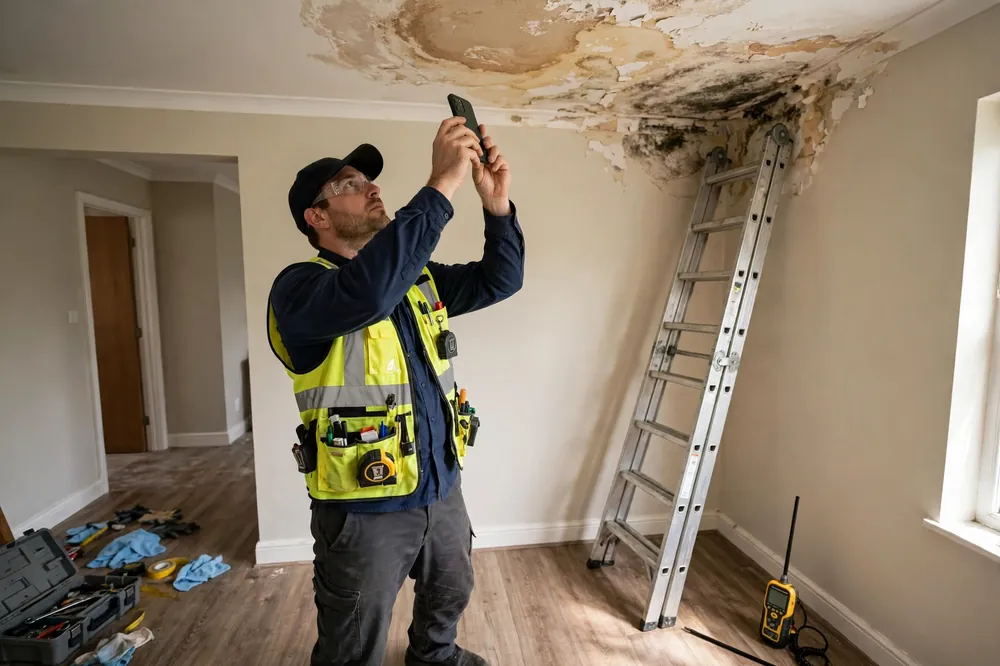
Photos and notes usually sit alongside the findings. A photo of a damp area, a meter reading, a thermal image, or an exposed joint gives the insurer something concrete to look at, rather than a description alone. Notes about related observations often appear too: the extent of dampness found, whether water had reached flooring or wall material, and whether the leak was active at the time of testing. Some reports also note what was not found, which can matter as much as what was. A report that rules out a second suspected area helps keep a claim focused on the actual source.
Recommendations typically close the report. This section usually states the next step suggested, such as repair of a specific run, further access to confirm a section, or monitoring after a repair. It may note whether the leak was stopped at a valve during the visit, or whether water was left on or off. What a detection report typically does not do is price a full repair, promise a coverage outcome, or state a legal conclusion about cause. It documents findings. Repair pricing, if needed, usually comes as a separate quote, and coverage decisions stay with the insurer.
How to ask for a report
The simplest way is to ask before the visit, not after. When you book, say you may need a written report for an insurance claim, and ask whether a report is included or available. That lets the technician know to take the photos and notes a report needs while they are on site, rather than trying to reconstruct them later. If you already had a visit and did not ask, call and ask whether a report can be prepared from the visit notes. In many cases it can, though photos taken after the fact cannot replace photos taken during testing.
Be specific about what you need the report to cover. If your insurer asked for something particular, like the method used, the location found, or photos of the affected area, pass that request along word for word. A technician who knows the insurer asked for the testing method can make sure that detail is spelled out, rather than buried in general language. If you are not sure what your insurer wants yet, ask for a report that covers the full picture: symptoms reported, methods used, location found, photos, and recommended next step. That covers the items insurers most commonly ask for.
Ask about timing and format too. Some reports go out the same day, some take a day or two, and the format may be a PDF by email or a printed copy. If your insurer has a deadline, say so when you ask, so the report can be prioritized. Keep your own copy regardless of what you send onward. Claim files can ask for the same document twice, months apart, and having your own copy saves a second request.
What to share with an insurer, and what to keep straight
When you share a report, share the whole report, not just the summary page. Insurers read the method and location details, and a partial report raises more questions than it answers. Alongside the report, the documents that typically sit well in a claim file include dated photos you took yourself, before and after the visit if you have them, your water bills showing a change if the leak affected usage, and any repair quote or invoice that follows. The detection report explains where the leak was and how it was found. The repair documents explain what was done about it. Together they tell a complete story.
Keep your own notes about dates. When did you first notice the symptom? When did you call? When was the leak found? When was it repaired? Claims often turn on timelines, and a short written timeline, even a few lines, is more reliable than memory months later. Note who you spoke with at the insurer and when, if you call them. That habit helps in any claim, water or otherwise, and it costs nothing to keep.
A few things to avoid overstating. Do not describe a detection report as proof of coverage, because it is not. It is proof of findings. Do not guess at a cause in your claim notes if the report does not state one. If the report says a joint failed, say that. If it says a run was found leaking without stating why it failed, do not add a reason of your own. Insurers notice when a homeowner's description goes further than the report, and that gap can slow a file down. Stick to what the report says, and let the insurer ask follow-up questions if they need more.
It also helps to understand what a report cannot do. It cannot guarantee a claim outcome, it cannot interpret your policy, and it cannot speak for a repair company or a different trade. If an insurer asks for something outside detection, like a plumber's repair invoice or a drying company's moisture log, that is a separate document from a separate visit, and it is worth getting it from the right source rather than asking a detection report to stretch beyond what it documents.
Before, during, and after: a simple checklist
Before the visit, tell the company you may need a report for insurance, and pass along anything specific your insurer already asked for. During the visit, take your own photos of visible damage and note the date you first saw each symptom. After the visit, read the report when it arrives and check that the address, date, location, and method are all correct. If something looks wrong, ask for a correction while the visit is fresh, rather than months later when details fade. Then keep the report, your photos, your timeline, and any repair documents together in one folder, digital or paper, so you can send the full set in one go.
If you are dealing with a hidden leak, the report is often more important, not less, because there is no burst pipe photo to show an insurer. A hidden leak found by listening and pressure testing leaves little visible evidence on its own, and the report is what turns a technician's findings into a document someone else can read and act on. That is true for wall leaks, slab leaks, and underground lines alike. Our hidden leak detection and pipe leak detection visits both lend themselves to this kind of documentation, and our how leak detection works page explains the testing steps a report typically describes.
One last practical point: do not wait until a claim is denied or delayed to ask for a report. Ask early, while the findings are fresh and the photos are on hand. A report requested at booking is a normal part of a detection visit. A report requested a year later is a reconstruction. If you think there is any chance you will talk to an insurer about this leak, mention it when you call Leak Fix Experts' Columbia crew. We can make sure the visit is documented in a way that gives you, and your insurer, a clear record of what was found, where, and how.
May need a report for a claim? Ask before the visit, not after.
Call and tell us what you are seeing. We will help you figure out the next step.
Common questions
What does a leak detection report typically include?
Typically the property address and visit date, the symptoms reported, the leak location as precisely as testing allowed, the methods used to find it, photos and notes, and a recommended next step. It documents findings, not coverage.
Does a detection report guarantee an insurance claim will be paid?
No. A report documents what was found, where, and how. Coverage decisions depend on the policy and the insurer, and a report cannot promise an outcome.
When should I ask for a report?
Ask when you book, before the visit. That way the technician takes the photos and notes a report needs while on site, rather than reconstructing them later.
What else should I send with a report?
Share the full report, not just the summary, plus your own dated photos, any water bills showing a change, and repair quotes or invoices that follow. Keep a copy of everything you send.
What if my insurer asks for something the report does not cover?
Ask for that specific item by name. If it is outside detection, like a repair invoice or a drying log, get it from the company that did that work, rather than asking a detection report to stretch beyond its findings.
Still unsure? Call (931) 800-6431
Open 24/7 in Columbia, TN. Tell us what you found and we will take it from there.