Leak Detection in West Haven
West Haven is a compact neighborhood on Columbia's west side, minutes from the downtown square and close to Maury County Park, Woodland Park, and Riverwalk Park. It is a neighborhood of two eras: all-brick homes from the 1950s on generous half-acre lots, and new infill builds going up on the remaining lots in the 2020s. That mix is what makes leak work here interesting, because a 70-year-old house and a brand-new one fail in completely different ways, sometimes on the same street.
What a Typical West Haven Service Call Looks Like
The call usually starts with something small. A water bill that climbed for two months running. A soft spot in a hallway floor. A sewer smell in the yard that comes and goes. Sometimes it is just a damp patch near the foundation of a house that has stood on its lot since the 1950s.
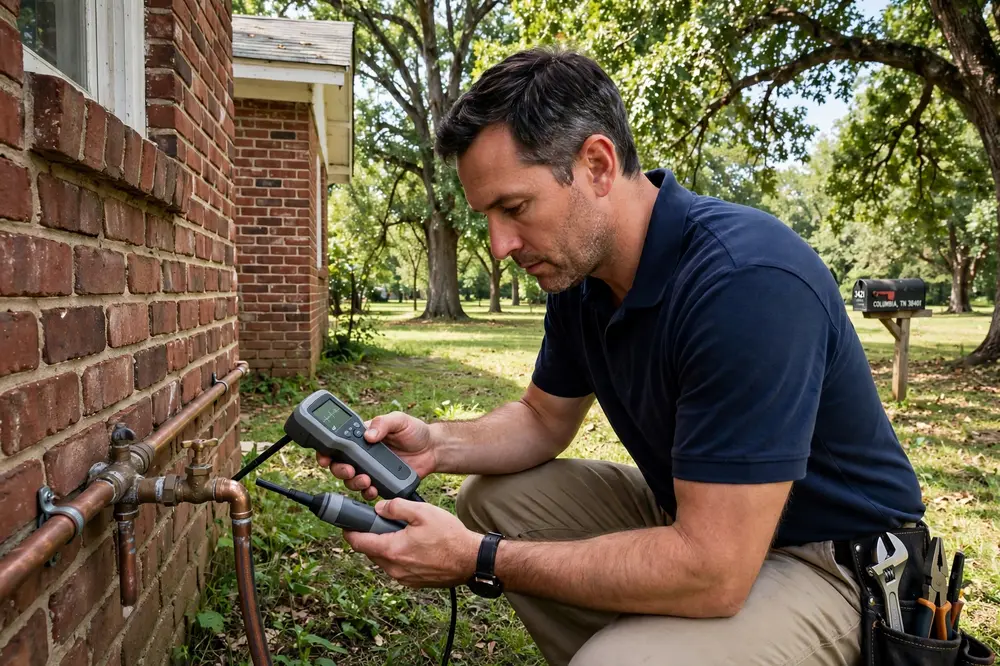
We come out and the first thing we do is the meter test: everything off, watch the dial. If it moves, water is going somewhere it should not. Then we walk the house the way water would travel, checking valves, listening at walls, scanning floors for warm or cool patches, and looking at the yard line on the way out. In West Haven the answer depends a lot on which era your house belongs to: an original 1950s home usually fails at old joints and sewer lines, while a new infill build usually fails at a fitting or a yard line that shifted as the lot settled. That is why the first question we ask is when your house was built. The crew at Leak Fix Experts in Columbia works across the whole city, and mixed-era neighborhoods like this one are exactly the kind of place where knowing the era keeps the detective work honest.
Spotted a warning sign? Let’s find the source.
Most leaks are located in a single visit. Call now and tell us what you’re seeing.
Three Things That Bring Us to West Haven
Mid-century originals and aging sewer lines
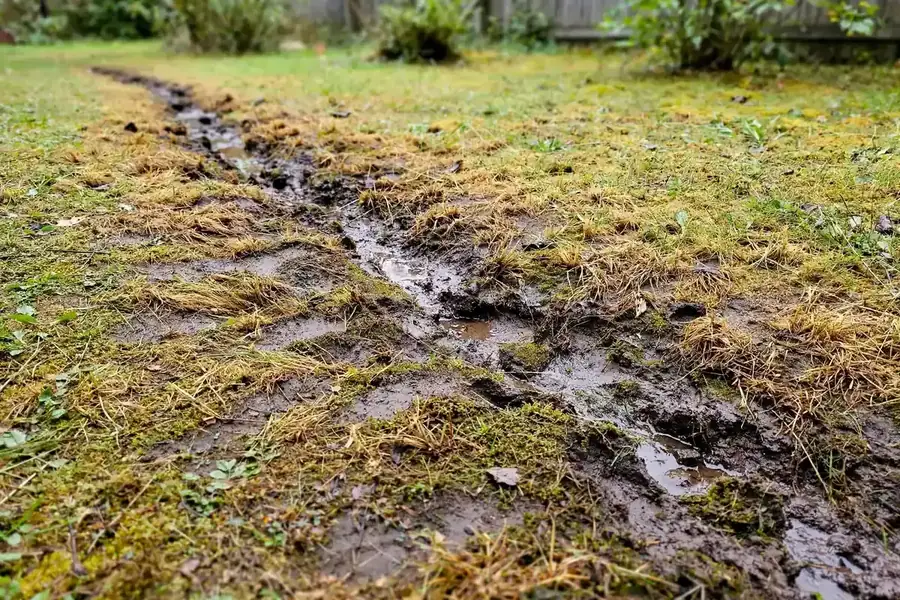
The 1950s brick homes here have been replumbed in pieces over seventy years, and the pieces do not all age at the same rate. The sewer side deserves special attention on these lots, because mature trees and decades of soil movement can open joints and let roots in. If you have a recurring sewer smell, slow drains, or a soggy strip in the yard, a sewer leak detection check traces the line before anyone talks about digging.
Two eras on one street
A 1955 home on a half-acre lot can sit a few doors down from a 2025 build on a quarter-acre lot, and the two fail in completely different ways. The older home fails at joints, valves, and sewer lines. The new one fails at fittings, irrigation laterals, and yard lines that shifted as the lot settled. A hidden leak detection visit starts from your home's era, not from a generic checklist, so the answer fits the house you actually live in.
Long yard runs on bigger older lots
Some of West Haven's older lots run to around a half acre, which means a long service line between the street and the house, with a lot of soil for a seep to hide in. A yard line leak on a lot that size can push a bill up for months without ever showing a puddle, because the water spreads through established soil and lawn. If the meter is moving and the house looks dry, an underground leak detection check of the yard line is the sensible next step.
Why West Haven Leaks Need the House's Birth Year
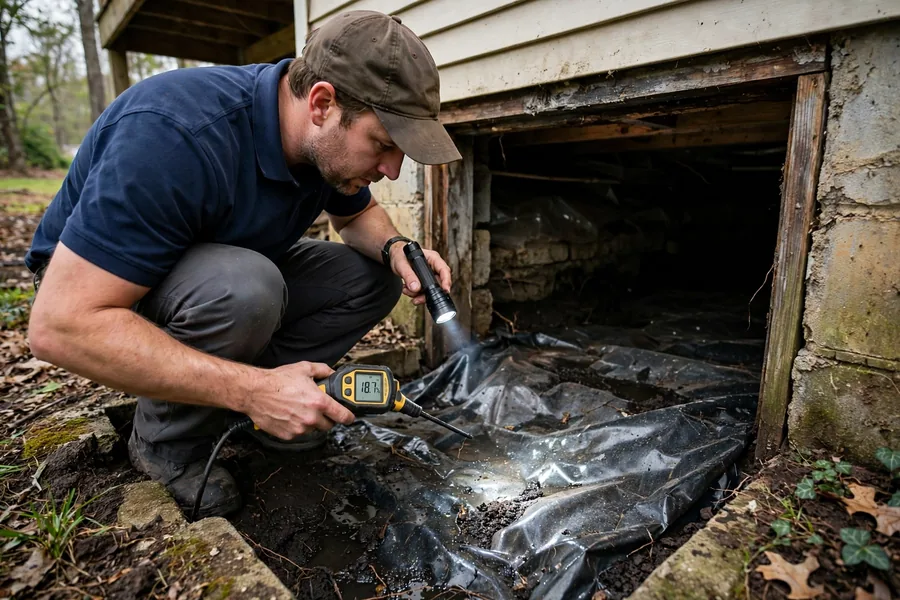
Here is the honest version of a West Haven leak: the neighborhood does not have one plumbing story, it has two. The mid-century homes have had seventy years of repairs, remodels, and patches, and the weak points are usually where one era's work meets another's. The new infill builds have the opposite problem: everything is new, so a failure looks like a fluke, and people wait too long to call because a new house is not supposed to leak.
That does not mean every damp spot is a pipe leak, and anyone who tells you otherwise is guessing. What we do is rule things out in order: meter test first, then fixtures and valves, then the runs under the floor, then the yard and sewer lines outside. If the meter holds steady with everything off, the dampness is more likely groundwater or drainage, and we will say so rather than sell you a repair you do not need. If the meter moves, we keep narrowing it down until we can point to a run, a joint, or a fixture.
One thing West Haven homeowners can do for free: once a month, look under the sinks, behind the toilets, and at the water heater connections with a flashlight, and walk the yard line route looking for a strip that stays greener or softer than the rest. You are looking for green crust on copper, rust streaks, or a valve that looks wet when nothing has been used. Catching those early is worth more than any gadget. And if the problem is underground, our underground leak guide walks through the same checks, and our Columbia service areas page lays out everywhere we serve.
A Quiet West-Side Pocket, Close to Downtown
West Haven sits west of downtown Columbia, reached from the square by heading west and turning onto Trotwood, then toward James Campbell Boulevard, with homes along Haven Circle, Hilltop Drive, and Experiment Lane. Listing descriptions put it minutes from the downtown square, the regional hospital, and three parks: Maury County Park, Woodland Park, and Riverwalk Park. Records show the neighborhood platted in sections, with homes ranging from 1950s originals to new construction in 2025.
The soil is the same Maury County clay you find across Columbia, but on these older, larger lots it has had decades to shift around buried lines, and mature trees add root pressure that newer neighborhoods do not have yet. That combination is the thread that runs through most of the leaks we see here, from sewer joints to yard service lines. If you live in West Haven and something feels off, a high bill, a yard smell, a damp floor, do not wait for it to get obvious. For a look at how a visit actually runs, see our water leak detection service page, or check the nearby Downtown Columbia page. Or just call and describe what you are seeing. We will tell you straight whether it sounds like a detection visit or something a handyman can check first.
West Haven Leak Detection FAQs
My West Haven home dates to the 1950s. Are the original pipes still okay?
Some of them might be, but a house that old has usually been replumbed in pieces over the decades, and the pieces do not all age at the same rate. You can have newer runs in a remodeled bathroom, original lines to a back bedroom, and valves nobody has touched in years. A detection visit sorts out which runs are holding pressure and which ones are suspect, so you are not guessing about a whole house at once.
There is a sewer smell in my yard. Is that a leak?
It can be. On older lots with mature trees, roots can work into sewer lines and open joints, and a cracked or separated sewer line will let odor and moisture escape into the soil. It can also be a dry trap or a vent problem, which is a much simpler fix. We check the easy explanations first, then trace the sewer line if the smell points that way, so you are not paying for a dig you do not need.
My street has 1950s homes and brand-new builds. Does that change how you check a leak?
Yes, and it is the first thing we ask about. A 1950s home usually fails at old joints, valves, and sewer lines, while a new infill build usually fails at a fitting, an irrigation line, or a yard line that shifted as the lot settled. Knowing the era of your house tells us where to look first, which keeps the visit shorter and the answer more specific.
My water bill jumped but I cannot see any water. Where do I start?
Start with the meter. Turn off everything in the house, then watch the meter for 15 to 30 minutes. If it is still moving, water is leaving the system somewhere, even if nothing looks wet. On West Haven's larger older lots, a yard service line is a common hiding spot, because a seep can spread through a half acre of soil without ever showing a puddle. Note the reading, take a photo of it, and call us.
Can you find a leak without tearing open my old plaster walls?
That is the point of detection work. We listen, scan for temperature differences, and pressure-test runs before anyone talks about opening a wall. In older homes the leak is often not right behind the stain anyway, since water travels along joists and framing. Pinpointing first means any opening stays small and happens only with your say-so.
Leak in West Haven? Call (931) 800-6431
High bill, a damp floor, a sewer smell that will not quit. Tell us what you are seeing and we will come find it, without tearing your house apart.