Leak Detection in Alamo, TN
Alamo is a town of about 2,336 people and the county seat of Crockett County, out in the flat farmland of West Tennessee. Cotton and soybeans run to the horizon, the Forked Deer River winds through the county, and the houses are mostly brick ranches and older frame homes, many of them on slab foundations. The ground here is flat, the water table is high, and a slow leak can hide for months: the yard already holds water after every rain, so one more wet patch does not stand out. We drive over from our Columbia base to find them, the same way we do at home, listening and testing before anyone opens a floor.
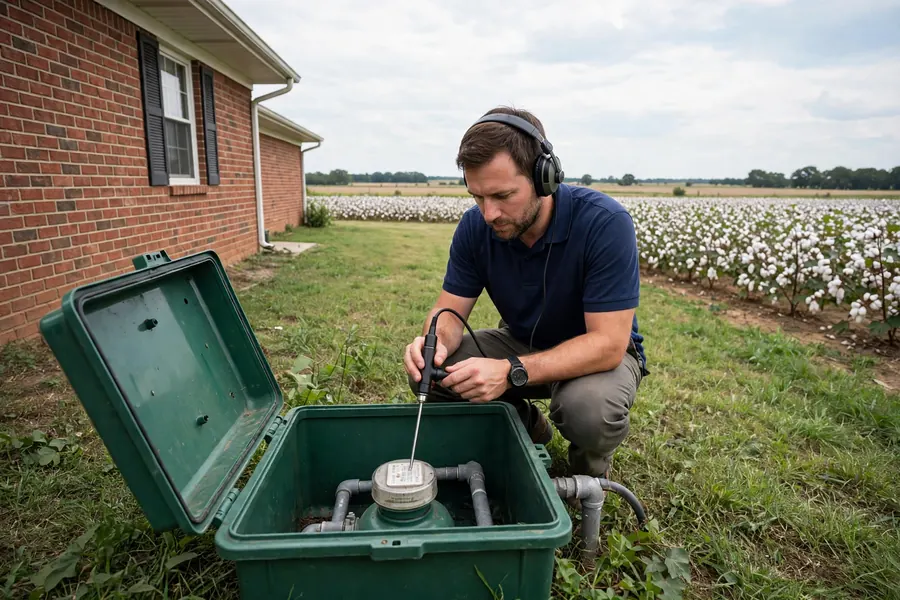
What a Typical Alamo Service Call Looks Like
The call usually starts with a water bill that climbed for two months running, or a warm patch on the living room floor that nobody can explain. Sometimes it is a damp line along a baseboard, or a patch of grass that stays greener than the rest of the yard in a dry spell. Out here the first question is always the same: slab or crawlspace? The answer decides how we test.
If the house is on a slab, we start at the meter: everything off, watch the dial, then listen along the slab for the run that is losing water. If it is on a crawlspace, we look underneath first, where the evidence usually is. Then we walk the property the way water would travel, checking valves, listening at walls, and scanning floors for warm or cool patches. Leak Fix Experts is based in Columbia, and Alamo is extended coverage for us, roughly 170 miles west, so we come prepared to find it in one visit rather than make two trips of it.

Spotted a warning sign? Let’s find the source.
Many leaks are located in a single visit. Call now and tell us what you’re seeing.
Three Things That Bring Us to Alamo
Slab foundations and hidden runs
A lot of Alamo homes sit on slab-on-grade foundations, with the water lines running through the concrete. A leak under a slab never shows a puddle: the water spreads along the slab edge, comes up at a baseboard, or warms one patch of floor. Our slab leak detection visit listens the lines down through the concrete, so any opening stays small and in the right place.
A high water table and flat ground
Crockett County is flat, and the water table sits high. Yards here hold rainwater longer than most, which makes a leak hard to spot: the ground is already wet. The difference is the dry spell. Rainwater dries out, a leak keeps feeding. A water leak detection visit starts with the meter, which settles the question before anyone digs.
Older lines in a farming town
Alamo has been the county seat since the 1870s, and plenty of its homes have plumbing that has been added to in layers: original runs, a remodel in the eighties, a bathroom added later. Old joints and mixed materials are where slow leaks start, usually behind a wall or under a floor where nobody looks. A pipe leak detection visit isolates the runs section by section, so the search stays narrow.
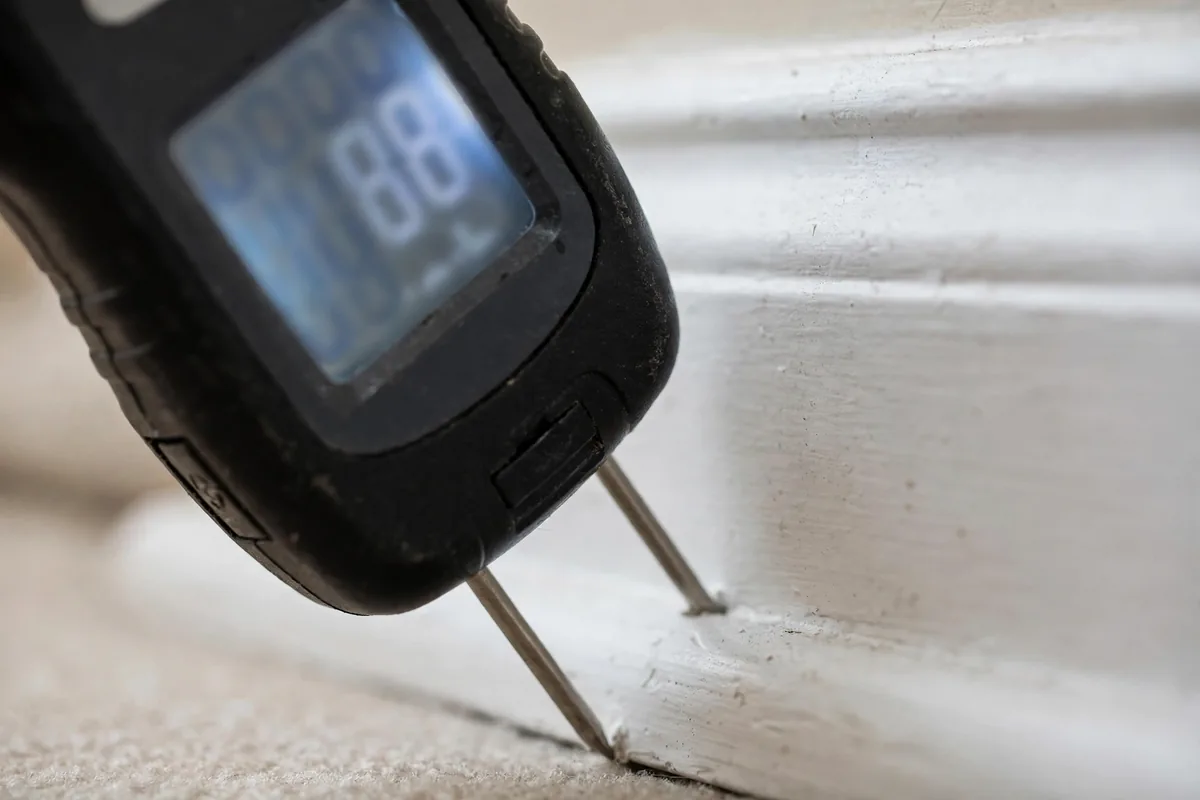
A Warm Patch on the Floor Means Something
On a slab home, the most useful clue is often under your feet. A hot-water line leaking under the concrete warms the floor around the break, and the spot can feel warm even through carpet or tile. A cold-water leak does the opposite: one patch of floor stays cool and damp, or a line of moisture creeps along a baseboard. Neither one means the slab has to come up. It means the line needs listening to.
We start by isolating the hot and cold runs and pressure-testing each one, then listen along the slab with acoustic gear and scan the floor for temperature differences. That narrows the break down to a small area before anyone talks about opening the floor, and any opening happens only with your say-so. One thing you can do before we arrive: turn everything off and watch the meter for fifteen minutes. If it is still moving, water is leaving the system. For the wider picture of how a visit runs, see our slab leak detection page.
The County Seat of Crockett County
Alamo became the county seat when Crockett County was formed in 1871, and the courthouse still anchors the town square. The town sits on Tennessee Highway 88, about thirty miles northeast of Jackson, with Bells a few miles down the road and the Forked Deer River winding through the bottomland nearby. The 38001 ZIP covers Alamo and the farmland around it, close to seventy square miles of flat West Tennessee ground.
The homes here are mostly brick ranches and older frame houses from the middle of the last century, many on slab foundations, with newer builds along the highways. The soil is sandy loam over clay, and the flat ground means drainage is slow: water sits, and a leak can feed a wet patch for weeks before anyone notices. Summers are long and humid, winters bring hard freezes that split exposed lines, and spring storms can push water in through places that are fine in normal rain. If you live in Alamo or anywhere in the 38001 ZIP and something feels off, a high bill, a warm patch on the floor, a damp baseboard, call and describe what you are seeing. We will tell you straight whether it sounds like a detection visit. For how we serve the whole region, our Columbia service areas page lays it out.
Leak Detection Services for Alamo Homes
Everything below travels with us from Columbia. Pick the one that matches what you are seeing, or just call and describe it.

Water Leak Detection
The full-property sweep for an Alamo home: meter test first, then a systematic pass over supply lines, fixtures, and the runs under the floor.
Learn more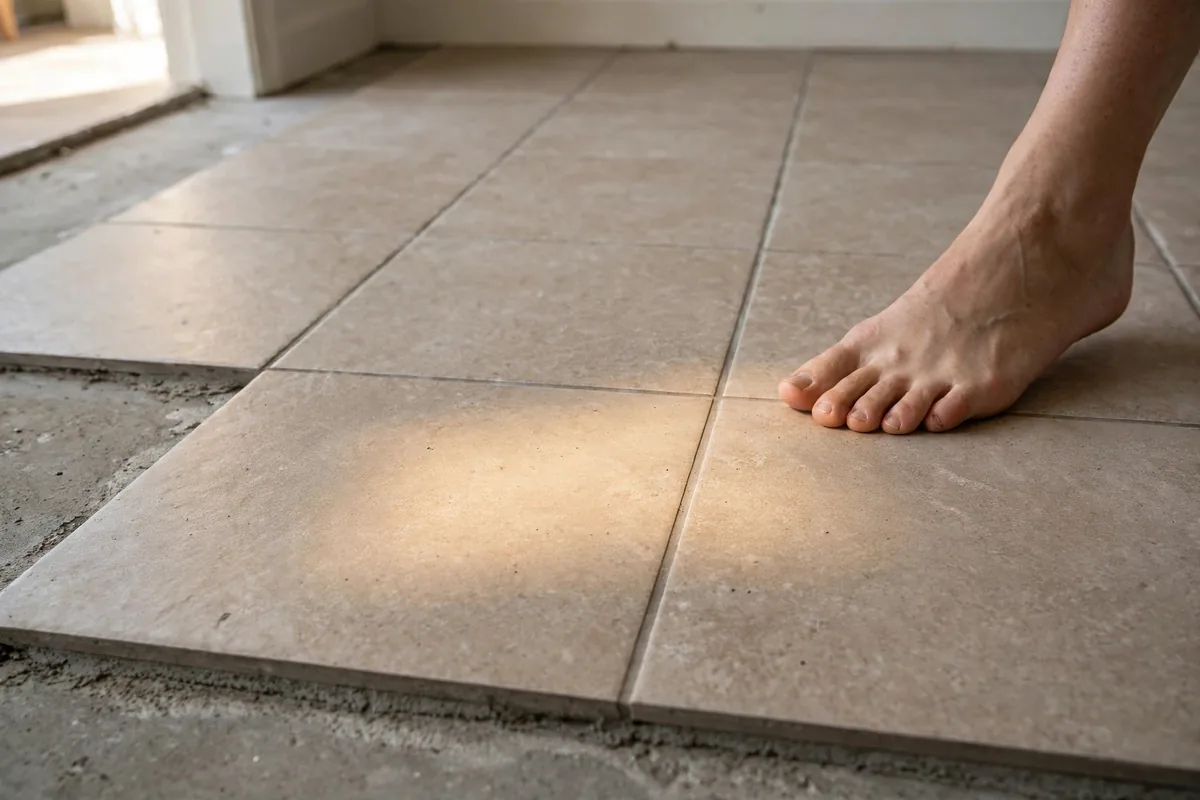
Slab Leak Detection
Hot and cold lines under the slab isolated and listened down, so a warm patch on the floor gets found before anyone opens the concrete.
Learn more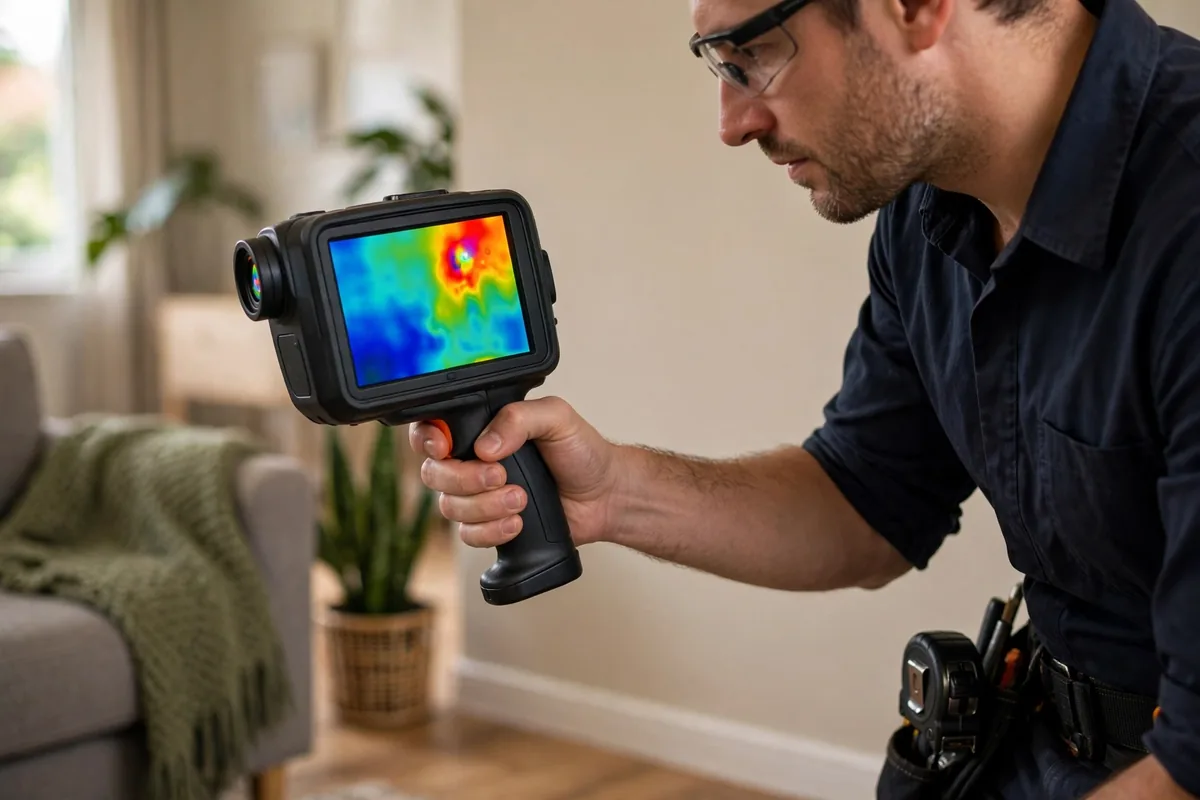
Hidden Leak Detection
For the damp room with no visible source: thermal scanning and acoustic listening to tell a slow pipe leak apart from storm water and humidity.
Learn more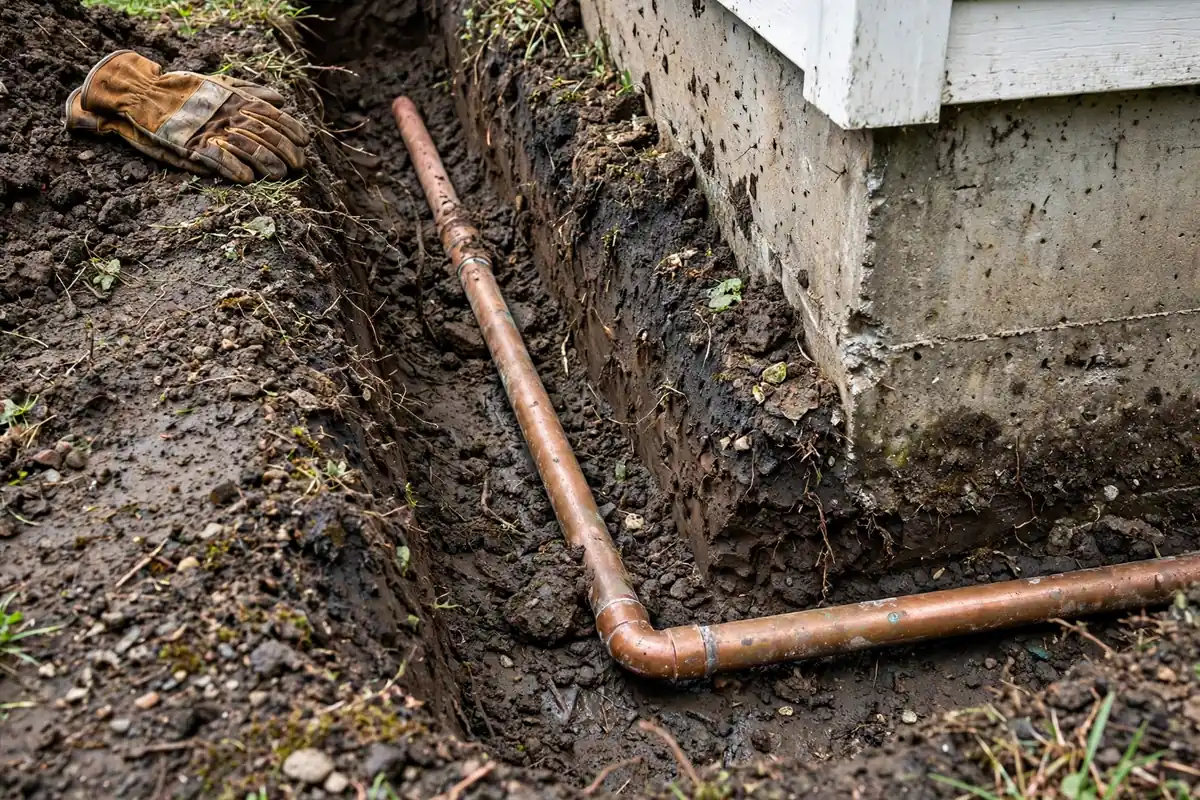
Underground Leak Detection
Yard lines traced with line tracing and acoustic listening, so a break in flat, wet ground gets found before anyone digs.
Learn more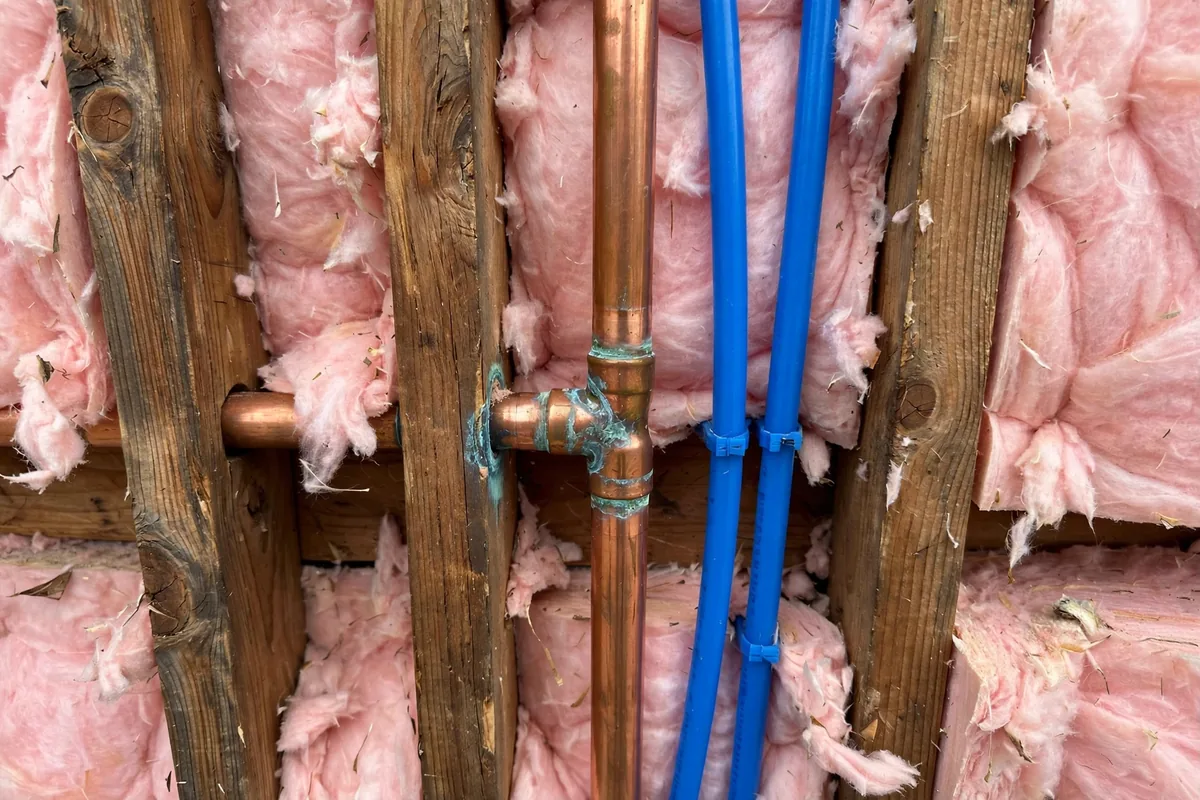
Pipe Leak Detection
Older supply runs isolated section by section, then listened down to the exact run, so layered plumbing stops being a guessing game.
Learn more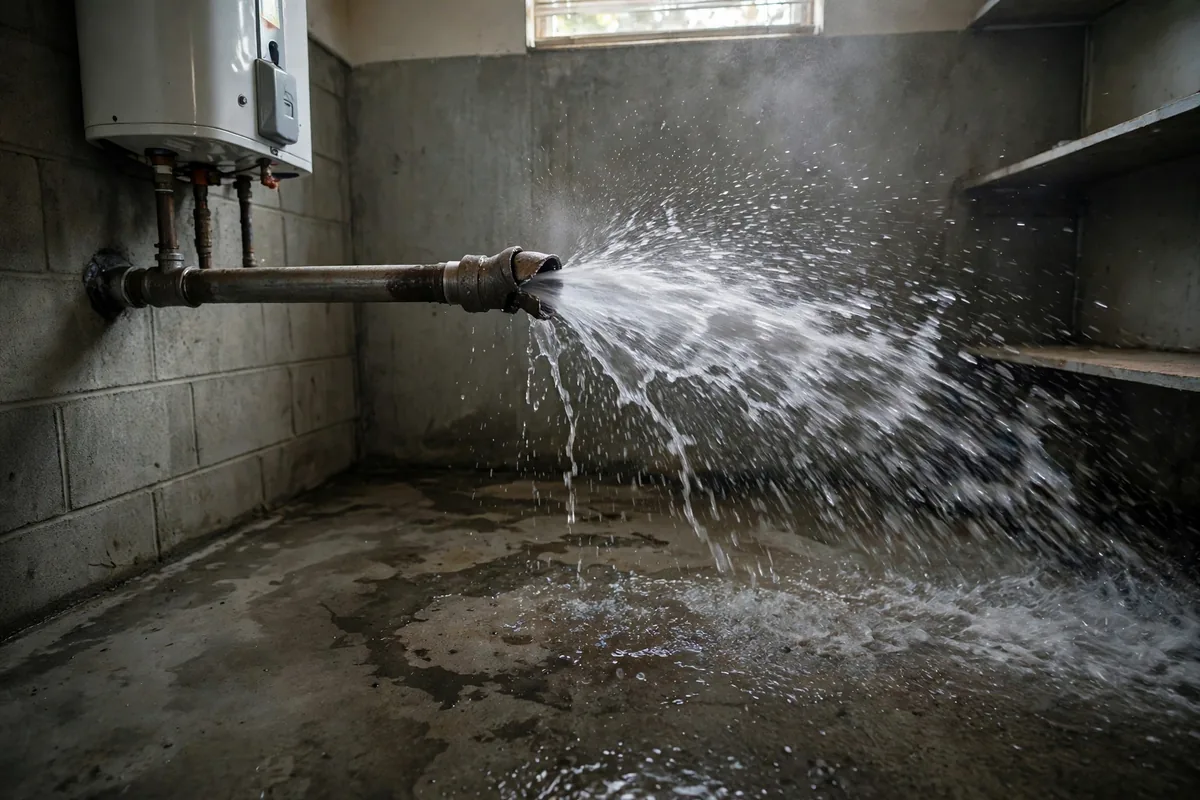
Emergency Leak Detection
Active water coming in after a freeze split or a burst line. Call any time and we will talk you through shutting the water off first.
Learn more
How an Alamo Visit Works
Here is the honest version: we do not have an office in Alamo. Our base is in Columbia, on Nashville Highway, and Alamo is extended coverage, roughly 170 miles west. That means visits here are scheduled, not drop-in. When you call, we will ask what you are seeing, the meter check, the age of the house, and whether it is slab or crawlspace, and we will agree on a visit window before we drive over. For active water coming in, call any time. The phone is answered around the clock, and we will talk you through shutting the water off and give you a straight answer about how fast we can get there.
We also cover the towns around Alamo on the same trips: Bells, about ten miles southwest, Jackson, Maury City, and the Highway 88 corridor toward Brownsville. If you are anywhere in the 38001 ZIP or along that stretch of road, you are in our extended coverage. The work itself is the same as in Columbia: non-invasive detection first, a clear explanation of what we found, and no repair pressure. If you want to see everything we do, the services hub has the full list.
Alamo Leak Detection FAQs
You are based in Columbia. Do you really come all the way to Alamo?
Yes. Alamo is extended coverage for us, not a separate office. Our base is in Columbia, roughly 170 miles east, and we schedule visits to Alamo and the Highway 88 corridor. When you call we will agree on a visit window before we drive over, so you are not waiting on a maybe. For active water coming in, the phone is answered around the clock and we will tell you honestly how fast we can get there.
My yard holds water after every rain. How do I know if it is a leak?
Watch what happens in a dry spell. Alamo sits on flat West Tennessee ground with a high water table, so yards here hold rainwater longer than most. A leak is different: it keeps feeding water even when it has not rained for a week, and one patch often stays soft or greener while the rest of the yard dries out. If the meter moves with everything off, water is leaving the system, and that points to a leak rather than the soil. That is the check to make before anyone digs.
My house is on a slab. Can you find a leak without breaking the floor?
That is the point of detection work. We listen, scan for temperature differences, and pressure-test runs before anyone talks about opening a floor. In a slab home the leak is often not right under the damp spot anyway, since water travels along the slab edge and framing. Pinpointing first means any opening stays small and happens only with your say-so.
The floor feels warm in one spot. What does that mean?
A warm patch on a slab floor is often a hot-water line leaking underneath. Hot water warms the concrete around the break, and the spot can feel warm even through carpet or tile. Turn off everything and watch the meter: if it is still moving, water is leaving the system. Note where the warm patch is and how big it is, then call. A slab leak detection visit listens the hot line down to the break before anyone talks about opening the floor.
My water bill jumped but I cannot see any water. Where do I start?
Start with the meter. Turn off everything in the house, then watch the meter for 15 to 30 minutes. If it is still moving, water is leaving the system somewhere, even if nothing looks wet. On a slab home, check for a warm patch on the floor and a damp line along a baseboard while you wait. Note the reading, take a photo of it, and call us. That one check tells us a lot before we even pull into the driveway.
We had a big storm and now a room smells damp. Is that a leak or rain?
It could be either, and a big West Tennessee storm can push water in through places that are fine in normal rain. The meter test settles it: turn everything off and watch the meter for 15 to 30 minutes. If it moves, a supply line is leaking. If it holds still, the damp is most likely rainwater getting in through a wall, a window, or a low spot by the foundation. Either way, call and describe what you are seeing. We will tell you straight whether it sounds like a detection visit.
Leak in Alamo? Call (931) 800-6431
A bill that keeps climbing, a warm patch on the floor, a damp line along a baseboard. Tell us what you are seeing and we will come find it, without tearing your house apart.