Leak Detection in Belfast, TN
Belfast is an unincorporated community in Marshall County, on US-431 roughly halfway between Nashville and Huntsville, about 50 miles southeast of Columbia. The 37019 ZIP area is home to about 844 people, and the community is best known for the Belfast Lions Walking Horse Show, which held its 65th annual show in 2026. Lewisburg is the nearest town of any size. Most properties here are farmhouses and rural homes on wells and septic, with long runs of pipe between the wellhead and the front door, and Marshall County clay under all of it. We drive over from our Columbia base to find their leaks, listening and testing before anyone opens a wall.

What a Typical Belfast Service Call Looks Like
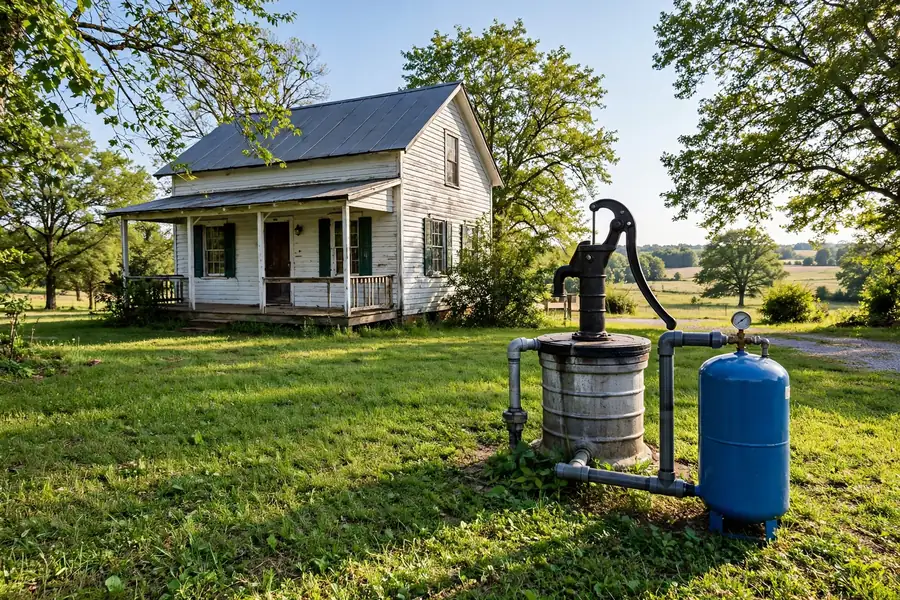
The call usually starts with a well pump that will not stop cycling, or a water bill that climbed for two months running. Sometimes it is a soft strip along a long gravel driveway, or a damp spot that shows up in the first warm week after a cold snap. Out here the first question is almost always about the well, because most houses in the 37019 ZIP run on one. The second question is how long the line is, because a farmhouse can sit a long way back from the road.
If the house is on city water, we start at the meter: everything off, watch the dial. If it is on a well, the pump is the meter. A pump that kicks on when nothing is running is telling you water is leaving the system somewhere. Then we walk the property the way water would travel, from the road or the wellhead to the house, checking valves, listening at walls, and scanning floors for warm or cool patches. Leak Fix Experts is based in Columbia, and Belfast is extended coverage for us, roughly 50 miles southeast, so we come prepared to find it in one visit rather than make two trips of it.
Spotted a warning sign? Let’s find the source.
Many leaks are located in a single visit. Call now and tell us what you’re seeing.
Three Things That Bring Us to Belfast
Rural wells and long country lines
Most homes around Belfast run on a private well, and a farmhouse set back from US-431 can have a long run of pipe between the wellhead and the front door. That is a lot of buried pipe, and a small split in any of it can run for months without ever showing at the surface. Our underground leak detection visit traces the line and listens it down to the break, so digging stays to one hole.
Marshall County clay that holds water
The clay under Belfast holds moisture for days after rain, so a yard here can look wet when nothing is wrong. A leak is different: it keeps feeding water even in a dry spell, and one patch stays soft or greener while the rest of the yard dries out. The check that tells them apart is the meter or the pump. A water leak detection visit starts there, which settles the question before anyone digs.
Older farmhouses with layered plumbing
These farmhouses have been added onto more than once, so you get original runs joined to newer ones, galvanized pipe next to copper, and joints buried behind plaster or a finished wall. The crawlspace is where the cold gets in and the oldest runs sit. A pipe leak detection visit isolates runs section by section, which keeps the hunt narrow and the old walls intact.
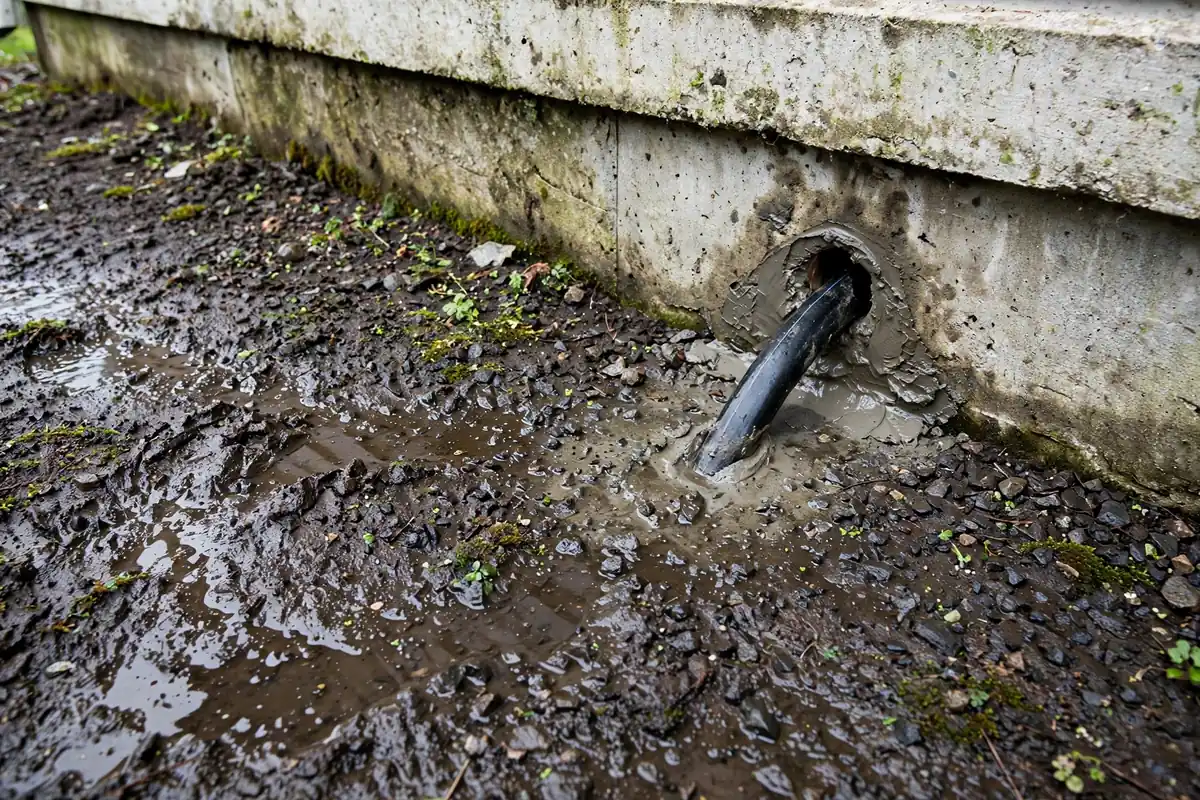
Long Rural Lines Hide Leaks for Months
A long water line is a quiet place for a leak. On a farmhouse lot the run from the wellhead to the house can cross a gravel drive, a yard, and a garden, and a break under any of it drains away instead of pooling. Gravel drains fast, clay holds the water deep, and the grass above can look fine for months. The clues are subtler: a pump that cycles with the house quiet, a soft or sunken strip along the drive, or one patch of grass that stays greener in a dry spell.
That is why we trace the line instead of digging where the grass looks odd. We pressure-test the run from the wellhead to the house, which sorts out whether the leak is outside or inside, then listen along it to narrow the break down to one spot. We keep the work on the supply side, away from the septic field, and we will ask where both systems sit before we start. If a test ever points near the septic, we will tell you plainly and talk through the next step before doing anything. For the wider picture of how a visit runs, see our water line leak detection page.
A Walking Horse Community on US-431
Belfast sits on US-431 in Marshall County, roughly halfway between Nashville and Huntsville, with Lewisburg a short drive to the south. There is no town government here, just a community built around farms, churches, and the show grounds. The Belfast Lions Walking Horse Show has been part of that for decades, holding its 65th annual show in 2026, and it still draws horses and crowds from across Middle Tennessee every summer. The 37019 ZIP covers Belfast and the farm country around it.
Most of the homes here are older farmhouses and rural homes on bigger lots, often on wells and septic, with long driveways and long water lines to match. The clay soil holds water after rain, and winter cold snaps still find the weak pipes in a crawlspace or a pump house. If you live in Belfast or anywhere in the 37019 ZIP and something feels off, a high bill, a pump that will not rest, a soft strip along the drive, call and describe what you are seeing. We will tell you straight whether it sounds like a detection visit. For how we serve the whole region, our Columbia service areas page lays it out.
Leak Detection Services for Belfast Homes
Everything below travels with us from Columbia. Pick the one that matches what you are seeing, or just call and describe it.

Water Leak Detection
The full-property sweep for a Belfast home: meter or pump test first, then a systematic pass over supply lines, fixtures, and the runs under the floor.
Learn more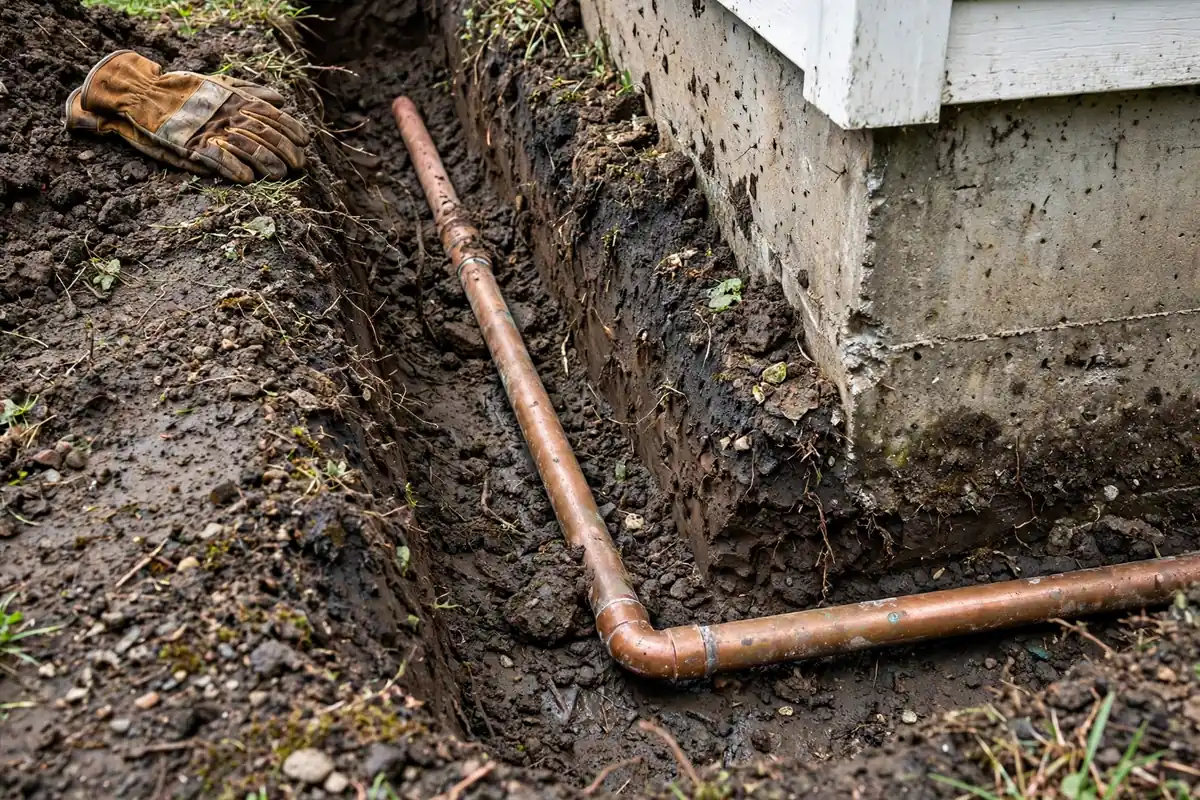
Underground Leak Detection
Long well runs and yard lines traced with line tracing and acoustic listening, so a break in clay ground gets found before anyone digs.
Learn more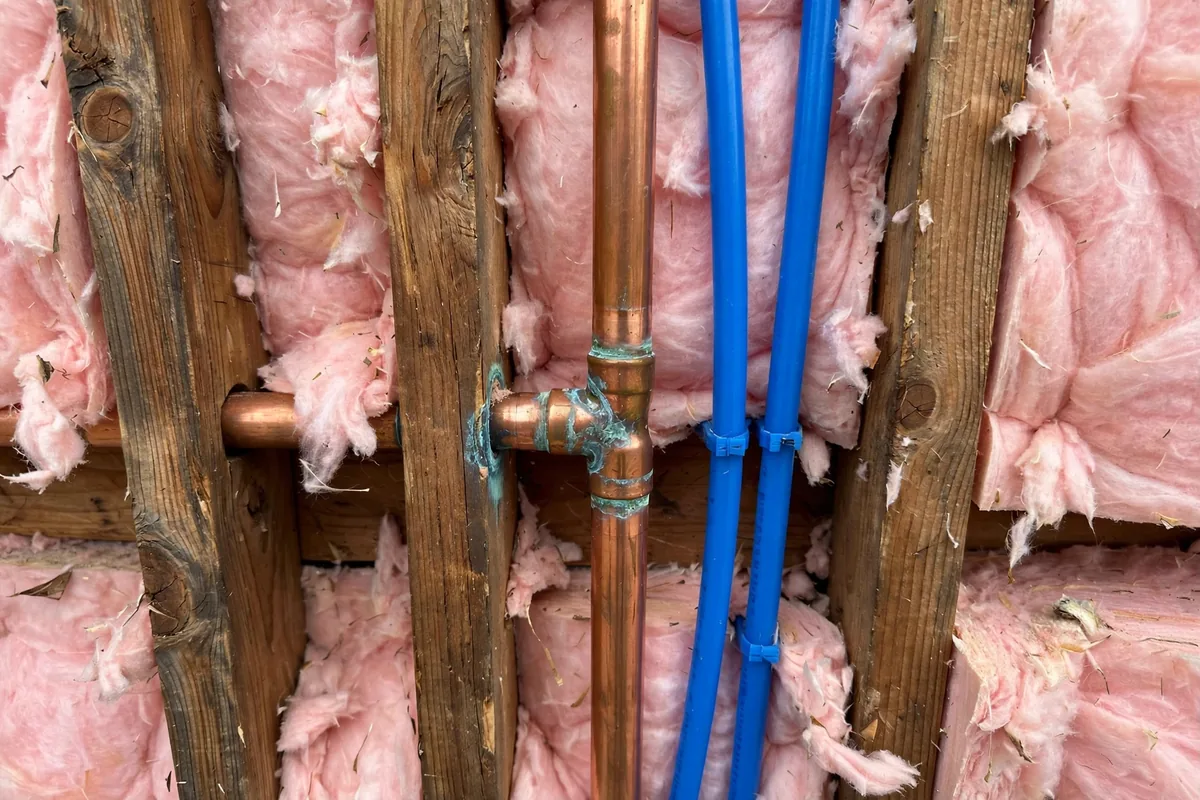
Pipe Leak Detection
Older supply runs in farmhouses isolated section by section, then listened down to the exact run, so layered plumbing stops being a guessing game.
Learn more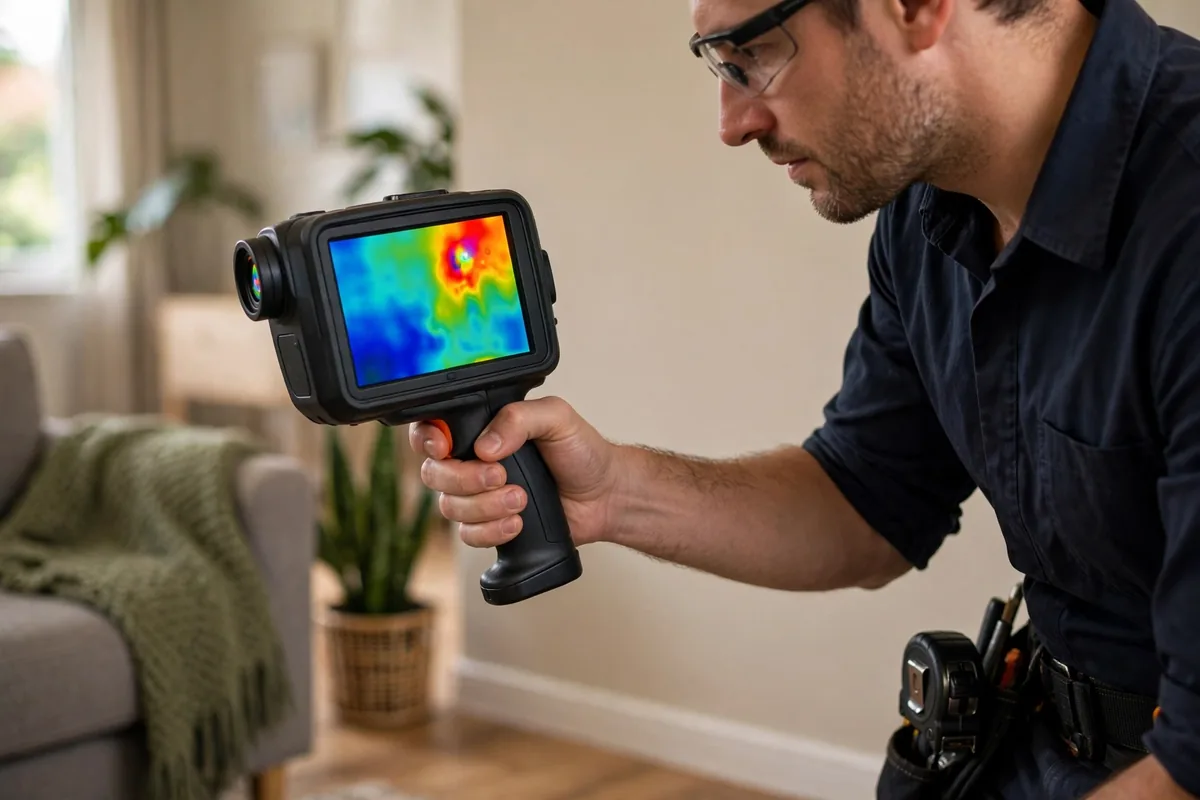
Hidden Leak Detection
For the damp room with no visible source: thermal scanning and acoustic listening to tell a slow pipe leak apart from clay damp.
Learn more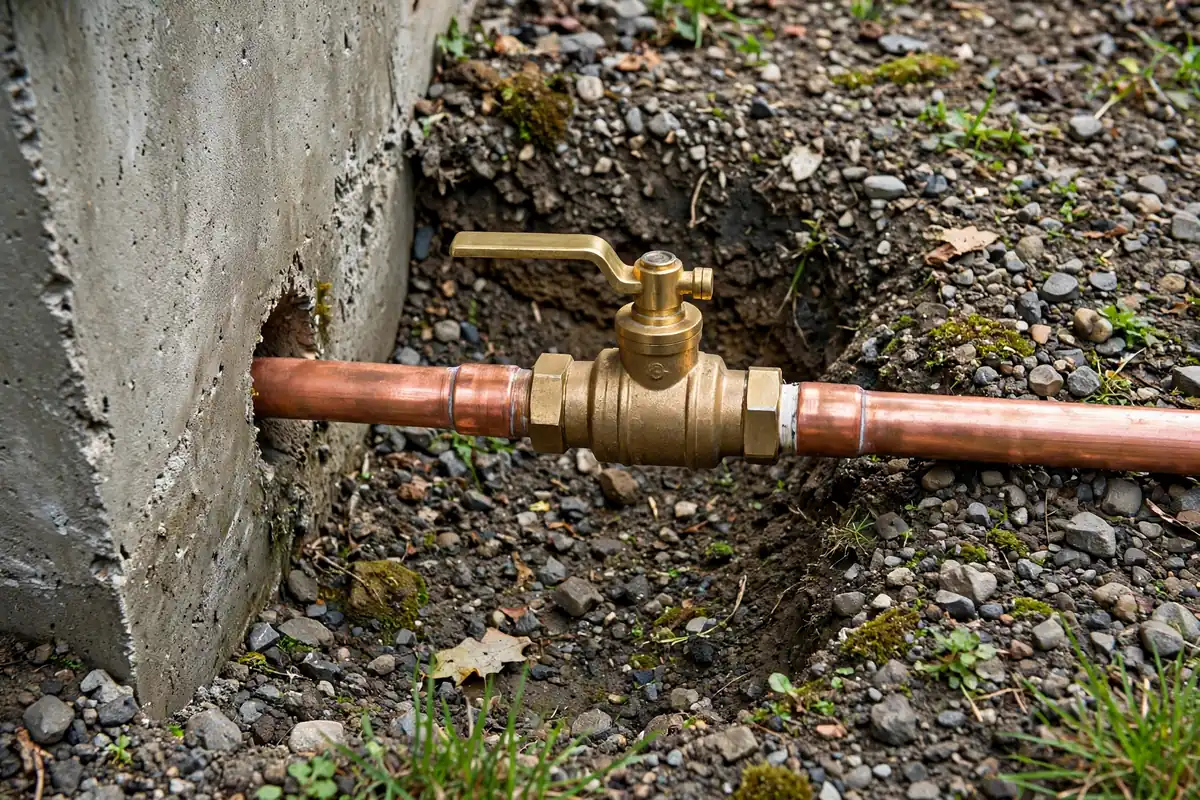
Water Line Leak Detection
The main line from the road or the wellhead pressure-tested and traced, including the well pump behavior that stands in for a meter reading.
Learn more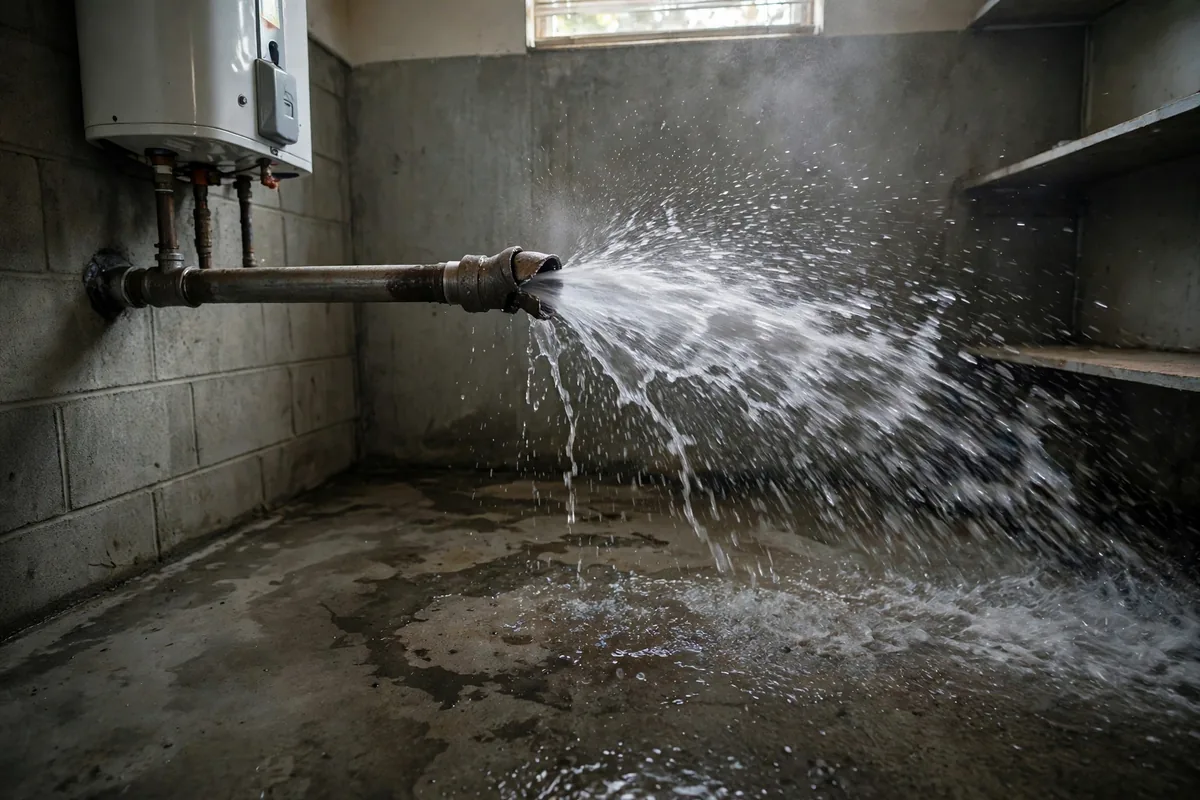
Emergency Leak Detection
Active water coming in after a freeze split or a burst line. Call any time and we will talk you through shutting the water off first.
Learn more
How a Belfast Visit Works
Here is the honest version: we do not have an office in Belfast. Our base is in Columbia, on Nashville Highway, and Belfast is extended coverage, roughly 50 miles southeast. That means visits here are scheduled, not drop-in. When you call, we will ask what you are seeing, the meter or pump check, the age of the house, and whether it is city water or a well, and we will agree on a visit window before we drive over. For active water coming in, call any time. The phone is answered around the clock, and we will talk you through shutting the water off and give you a straight answer about how fast we can get there.
We also cover the US-431 corridor and the communities toward Lewisburg on the same trips. If you are anywhere in the 37019 ZIP or along that stretch of road, you are in our extended coverage. The work itself is the same as in Columbia: non-invasive detection first, a clear explanation of what we found, and no repair pressure. If you want to see everything we do, the services hub has the full list.
Belfast Leak Detection FAQs
You are based in Columbia. Do you really come all the way to Belfast?
Yes. Belfast is extended coverage for us, not a separate office. Our base is in Columbia, roughly 50 miles northwest, and we schedule visits to Belfast and the US-431 corridor toward Lewisburg. When you call we will agree on a visit window before we drive over, so you are not waiting on a maybe. For active water coming in, the phone is answered around the clock and we will tell you honestly how fast we can get there.
My well pump keeps cycling on and off. Is that a leak?
It often is. A pump that kicks on when nothing in the house is running is doing work for a reason, and a leak on the line between the wellhead and the house is one of the usual ones. A pressure tank that has lost its air charge can short-cycle too, so the first job is sorting out which one you have. Turn everything off, stand by the pump, and listen. If it keeps cycling, call us. A water line leak detection visit pressure-tests the run and listens it down before anyone digs.
My driveway is long and gravel. Where would a leak even show?
Often it does not show at all, and that is the problem with long rural lines. Gravel drains fast, so a leak under a driveway can run for months without a puddle. The clues are the pump cycling with the house quiet, a soft or sunken strip along the drive, or one patch of grass that stays greener in a dry spell. We trace the line from the wellhead to the house and listen it down to the break, so digging stays to one hole instead of a trench down the drive.
My yard stays wet. Is that a leak or just the clay?
Watch what happens in a dry spell. Marshall County clay holds water, so a yard here can stay soft for days after rain. A leak is different: it keeps feeding water even when it has not rained for a week, and one patch often stays soft or greener while the rest of the yard dries out. If the meter moves with everything off, or the well pump keeps cycling, that points to a leak rather than the soil. That is the check to make before anyone digs.
My farmhouse is one of the old ones. What usually leaks in these?
Age and additions, mostly. These farmhouses have been added onto more than once, so you get original runs joined to newer ones, galvanized pipe next to copper, and joints buried behind plaster or a finished wall. The usual suspects are old supply joints, a toilet that runs quietly, and a line under an addition. The crawlspace is where we look first, since that is where the cold gets in and the oldest runs sit. We isolate runs section by section and listen them down.
My water bill jumped but I cannot see any water. Where do I start?
Start with the meter if you are on city water. Turn off everything in the house, then watch the meter for 15 to 30 minutes. If it is still moving, water is leaving the system somewhere, even if nothing looks wet. If you are on a well, watch the pump instead: a pump that cycles with the house quiet is the same signal. Note the reading, take a photo of it, and call us. That one check tells us a lot before we even pull into the driveway.
Leak in Belfast? Call (931) 800-6431
A pump that will not rest, a bill that keeps climbing, a soft strip along a long gravel drive, or a damp spot after the thaw. Tell us what you are seeing and we will come find it, without tearing your house apart.