Signs of a Water Leak Behind a Wall
The wall tells on the leak, but not always where you expect. Here is how to read the signs and why the stain is rarely the whole story.
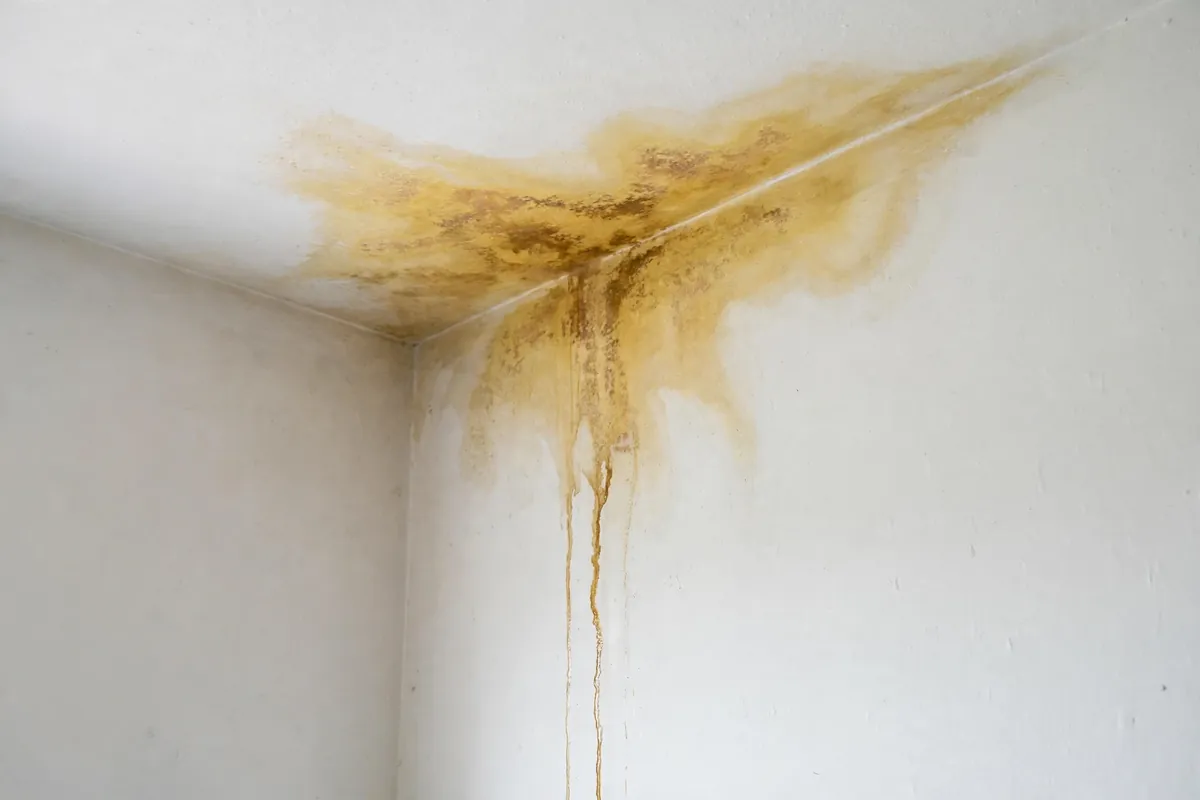
Walls hide plumbing, and plumbing inside walls can leak for a long time before anyone notices. The drywall soaks it up, the paint holds for a while, and the first thing you see is often a stain that looks like it has been there longer than you thought. This guide covers the signs, the tricky part about where stains appear, and what to do instead of cutting a hole on a guess.
The signs, from earliest to latest
Musty smell. Often the very first sign. A damp, earthy odor in one area, stronger in humid weather. Duck River area humidity makes this worse in summer, and a musty closet or bathroom wall that never quite airs out is worth a closer look.
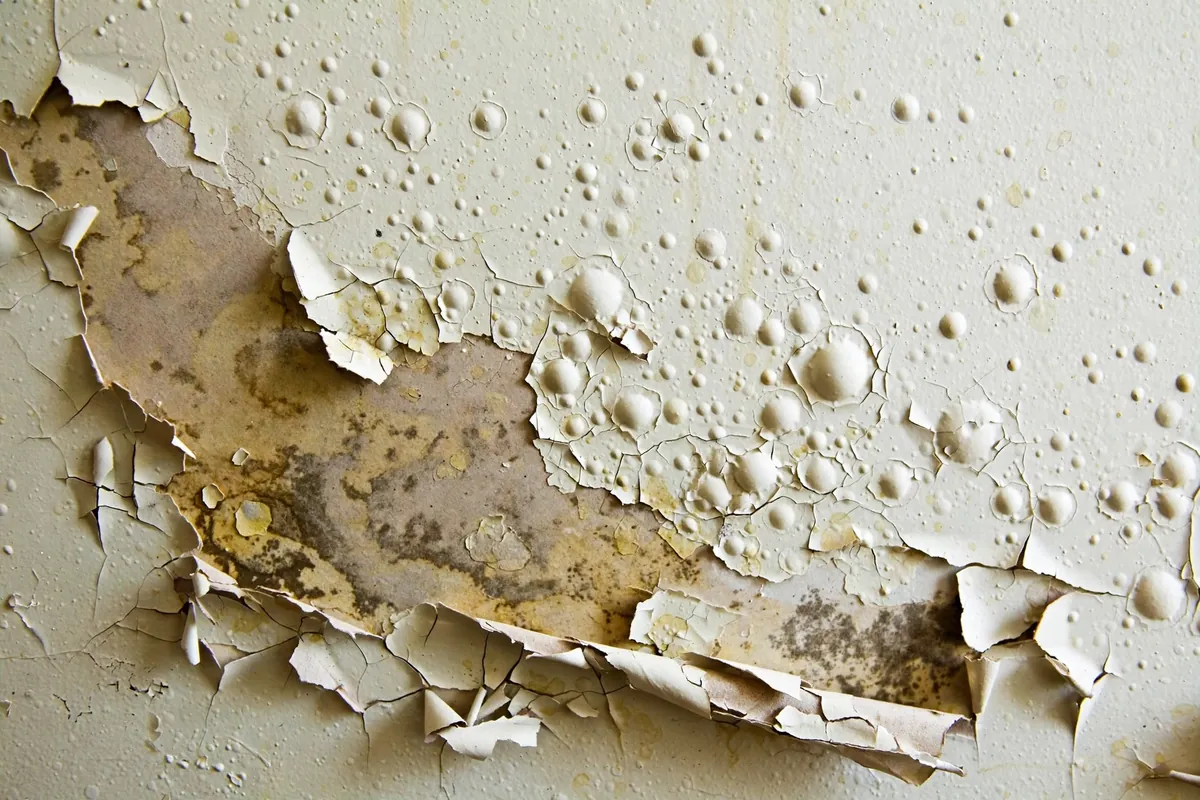
Bubbling or peeling paint. Moisture behind the paint pushes it away from the drywall. Small blisters, flaking edges, paint that feels soft or spongy to the touch. This is the wall actively telling you it is wet.
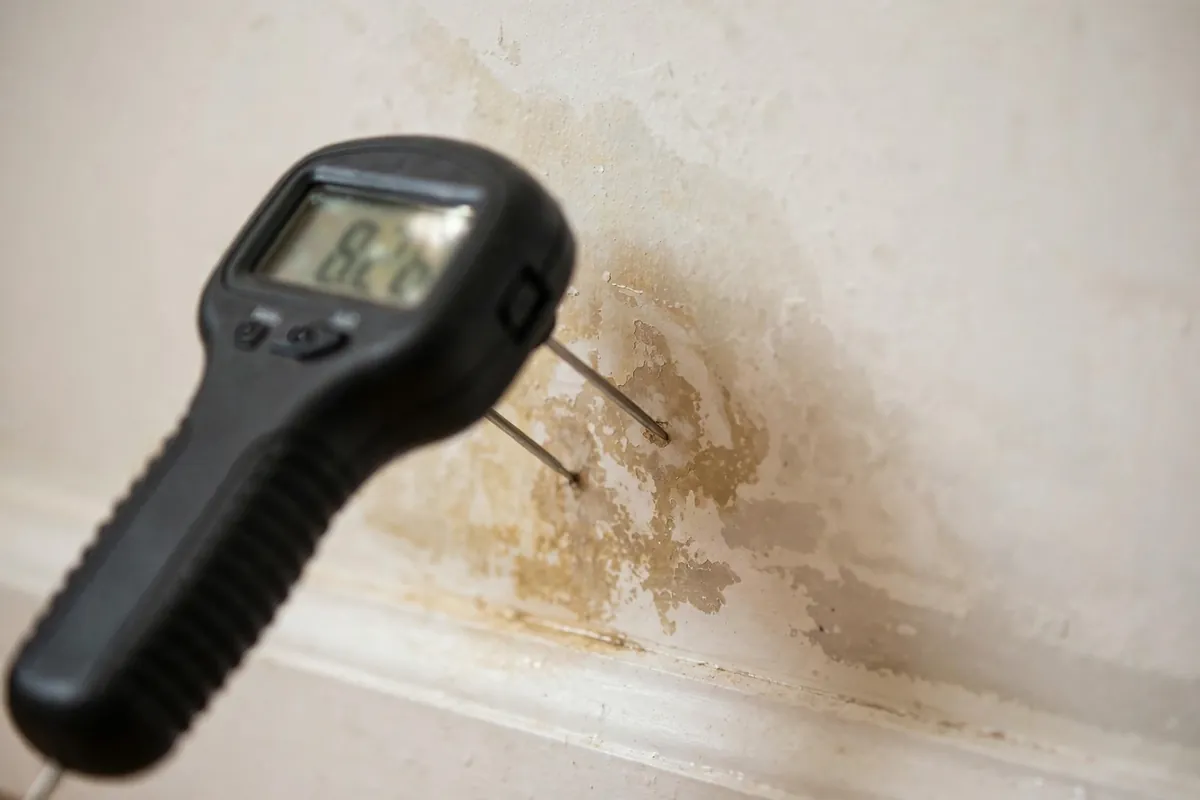
Discoloration. Yellow-brown stains with irregular edges, often starting as a faint shadow and darkening over weeks. A stain that is growing is an active leak. A stain that stays the same might be old damage, and a moisture meter tells the difference.
Warped baseboards and trim. Baseboards swell and pull away from the wall when they absorb water. Caulk lines crack. If the baseboard along one wall looks different from the rest, run your finger along it. Softness means moisture.
Sounds. Dripping inside the wall after a fixture runs, or a faint hiss that never quite stops. Put your ear to the wall at night when the house is quiet.
Why the stain is not always under the leak
This is the part that costs people money. Water inside a wall does not drop straight down and politely appear below the leak. It runs along the outside of pipes, follows studs and top plates, rides along horizontal framing, and only shows itself where it finally finds a weak point or runs out of path. We routinely find the actual leak several feet from the stain, sometimes in the next room over or a floor above.
This is why cutting open the wall at the stain usually fails. You open a square of drywall, find damp insulation and a wet stud, and the pipe above it is dry. Now you have a hole and no answer. The leak was three studs to the left, where the pipe has a pinhole spraying sideways onto the framing.
What professionals do differently
Instead of starting at the stain, we start at the water. The meter test confirms whether the leak is a pressurized supply line or a drain issue. Then we narrow it by branch: is it the bathroom feed, the kitchen line, the line to the hose bib? Moisture meters map how far the dampness actually spreads, which often points back toward the source like a trail. Thermal imaging shows the warm or cool signature through the drywall without touching it. Acoustic listening finds pressurized leaks by sound.
Only after all of that do we talk about opening anything, and then it is one small opening in the right place, with your go-ahead. That is what ceiling and wall leak detection looks like in practice.
Where wall leaks usually start
Bathrooms are the most common source: shower valves, tub spouts, toilet supply lines, and the drain connections behind the tub or shower. Kitchens come next: sink supply lines, dishwasher connections, and the lines feeding the refrigerator. Exterior walls get leaks at hose bib connections, especially after a hard freeze, which is a real pattern in Columbia winters. And laundry rooms hide leaks at the washer valves and drain standpipe.
Older homes in neighborhoods like Sunnyside often have original supply lines inside walls that have been working for decades. Age does not guarantee a leak, but it raises the odds, and wall leaks in older homes tend to involve more water by the time they are found, because the signs were dismissed as "old house stuff" for too long.
What to do when you spot a sign
- Photograph the stain or damage with a timestamp, from a couple of angles.
- Check whether it is growing. Mark the edges lightly with a pencil and compare in a few days.
- Think about what is on the other side of that wall and what is above it. A bathroom? That matters.
- Run the meter test to see if you have an active supply leak.
- Call for bathroom leak detection or wall leak detection before opening anything up.
And please, do not pour chemical sealers into your pipes hoping to stop a wall leak. They do not reach the actual break reliably, they can complicate the real repair, and they give you a false sense of having handled it while water keeps soaking the framing.
Related myth: painting over the stain fixes the problem. It does not. Fresh paint hides the evidence while the leak keeps soaking the framing, the insulation, and everything else behind it. The stain is a symptom. Fixing the paint without fixing the source is how a small leak becomes a mold and framing problem months later.
Spotted a warning sign? Let’s find the source.
Most leaks are located in a single visit. Call now and tell us what you’re seeing.
Common questions
How can you tell if there is a water leak inside a wall?
The usual signs are yellow-brown stains, bubbling or peeling paint, a musty smell with no visible water, warped baseboards, and the sound of dripping or running water inside the wall. A moisture meter confirms whether a stain is active or old.
Is the wall stain always directly below the leak?
No. Water travels along pipes, studs, joists, and framing before it shows itself. The stain can appear feet away from the actual leak, which is why cutting open the wall at the stain often finds nothing but wet drywall.
Should I open the wall myself to find the leak?
No. Cutting into drywall based on a guess usually means a large repair in the wrong place, plus the risk of hitting electrical wiring or other plumbing. Detection first, then one small opening in the right spot.
Stain on the wall? Do not cut yet.
Get the leak located first, then open one small, correct hole.