Why Is My Water Bill Suddenly High?
A high bill does not automatically mean a leak. Before you panic, work through the real suspects in the right order.
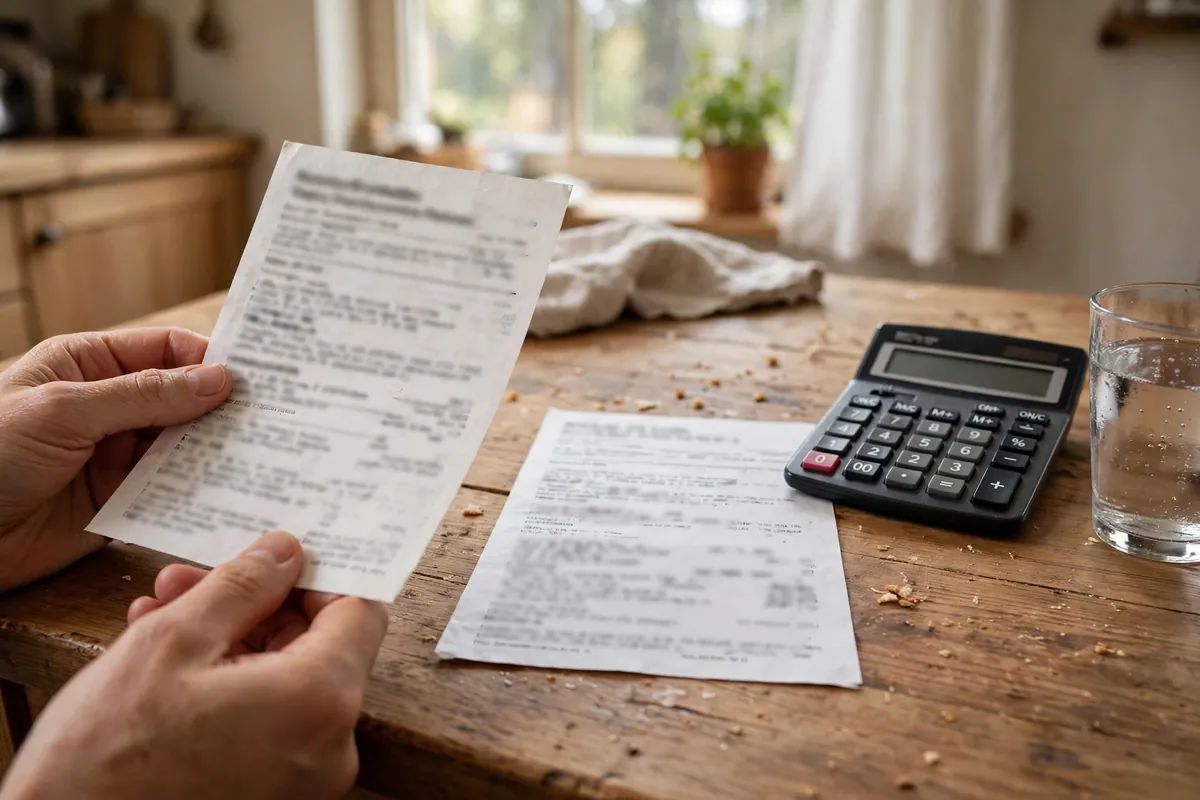
You open the bill and your stomach drops. Double last month, triple even. The instinct is to assume the worst: a pipe burst somewhere you cannot see. And sometimes that is exactly what happened. But we have been called out for high bills that turned out to be a toilet flapper, a sprinkler zone, or even a typo on the bill itself. Here is how to tell the difference before spending a dollar.
Step one: compare usage, not dollars
Pull out the last three bills, plus the same month last year if you have it. Ignore the dollar amounts for a minute and look at the usage number, in gallons or cubic feet. Dollars move when rates move. Usage only moves when water moves.
- Usage flat but bill higher: rates changed, or fees were added. Call the utility, not us.
- Usage jumped once, then came back down: look for a one-time event. Filling a pool, houseguests, a new appliance, watering a new lawn through a dry spell.
- Usage climbing steadily over several months: this pattern loves slow leaks. A flapper that leaks a little more each month, or an underground break getting worse.
- Usage doubled overnight: something broke or stuck open. Toilet running constantly, irrigation zone stuck on, or a real supply-line break.
Suspect number one: the toilet
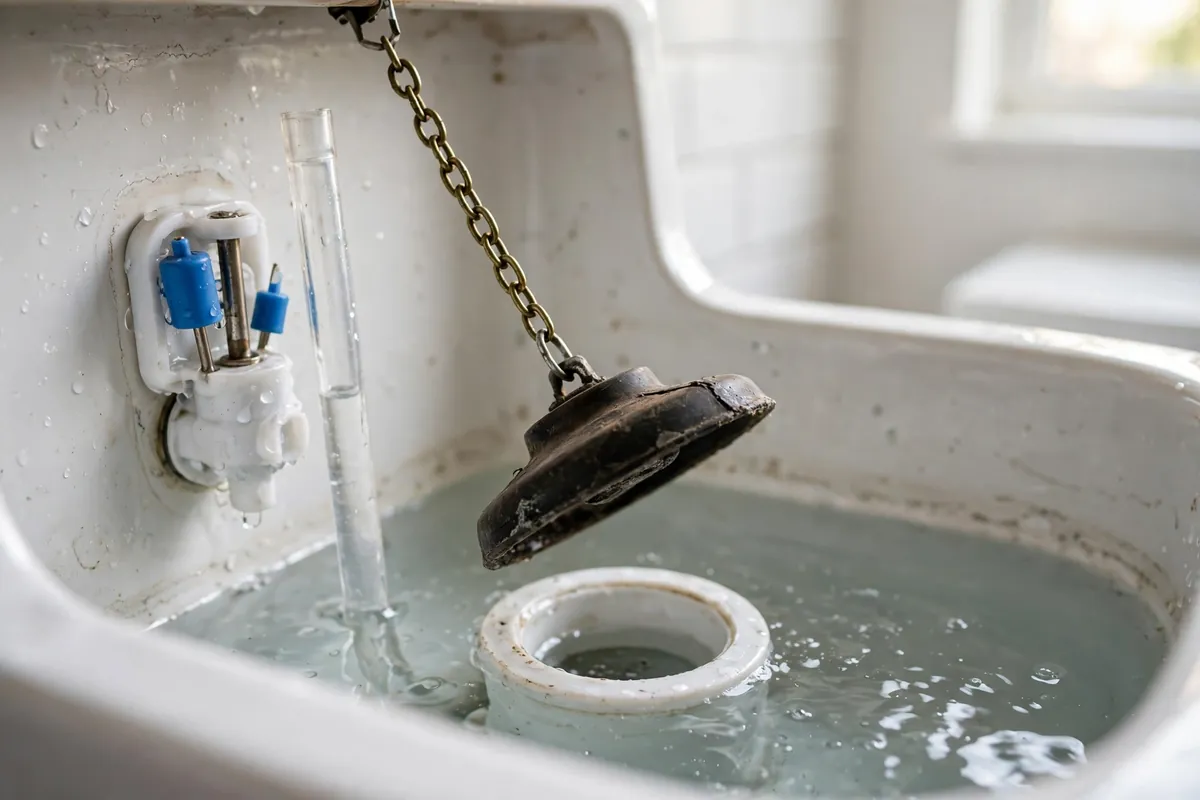
If we had to bet on one cause for mystery high bills, it would be the toilet flapper, every time. The flapper is the rubber seal at the bottom of the tank. As it wears, it stops sealing. Tank water seeps silently into the bowl, the tank refills, and the cycle repeats. No sound most of the time. No visible water. Just a bill that keeps climbing.
The test costs almost nothing: a few drops of food coloring in the tank, wait ten minutes without flushing. If the bowl turns color, the flapper is leaking. Replacing it is one of the cheapest fixes in a home. When you call us about a high bill, this is the first thing we will ask whether you have checked, because it rules out the most common cause in minutes. Our toilet leak detection service covers the cases where the problem is sneakier than a flapper.
A myth worth dropping while we are here: "it is just a drip, it cannot cost that much." A faucet dripping once a second can waste thousands of gallons a year, and a silent toilet flapper can lose far more than a dripping faucet. Small, steady losses are exactly how bills double without anyone noticing a thing.
Suspect number two: irrigation
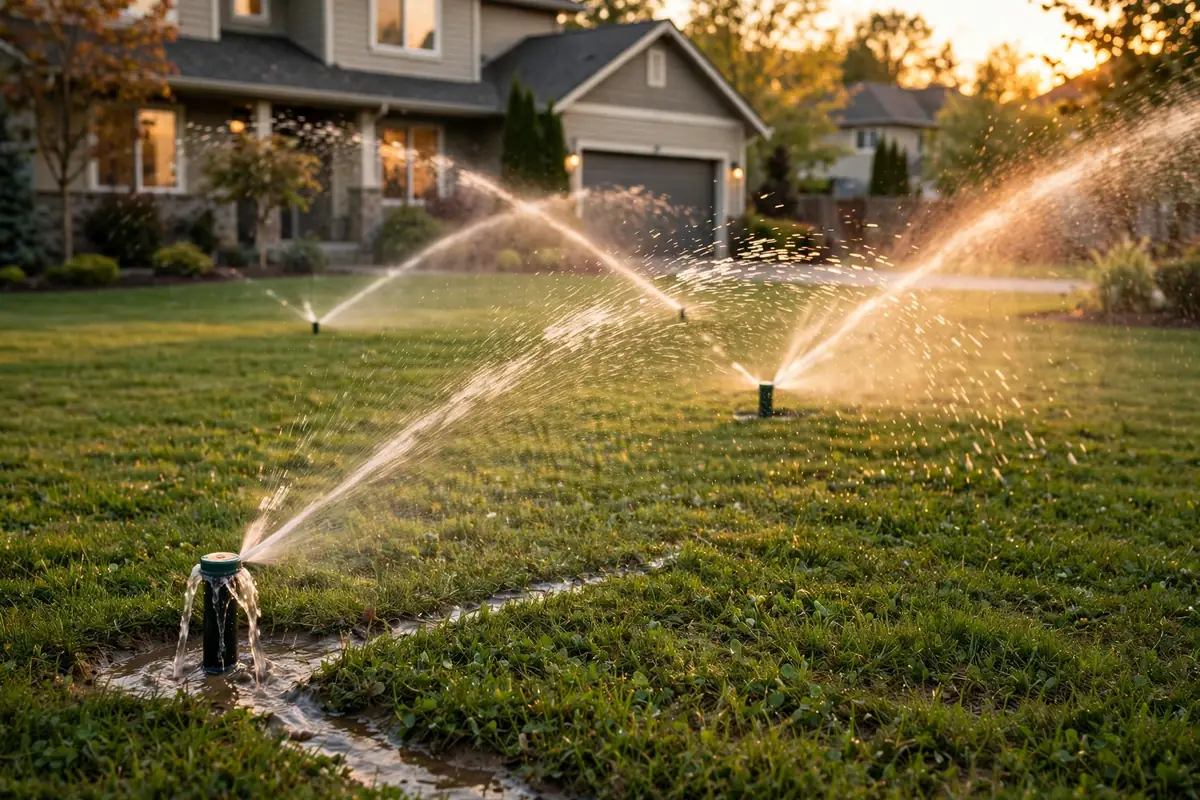
In Maury County summers, lawn irrigation is the second biggest bill-spiker we see. A zone stuck on because of a bad valve or a controller glitch can run for hours every cycle without anyone noticing, especially if it runs before dawn. A broken sprinkler head or cracked lateral line can waste thousands of gallons in a single month.
Quick checks: walk the yard while the system runs and watch each zone. Note any zone that never seems to shut off, any head gushing at the base, or any area far soggier than the rest. Check the controller for extra start times or a "run all" program that got set accidentally. If the zones look fine but the bill is still wild, irrigation leak detection can find the underground break without tearing up the whole yard.
Suspect number three: the bill itself
It happens more than utilities like to admit: misreads and estimates. Check whether your bill says "estimated" anywhere. If the utility estimated usage for a month or two, then took a real reading, the catch-up bill looks like a sudden spike. Also check the meter reading on the bill against your actual meter. If they do not match, you have found your problem, and the fix is a phone call.
Suspect number four: changed habits and seasonal patterns
Be honest about usage changes. Houseguests for a week, a teenager home for the summer, a new washing machine that runs daily, a garden that got planted in May. In Columbia, summer bills naturally run higher because of irrigation and outdoor use. Compare against the same season last year, not against February.
When it really is a leak
If usage is genuinely up and you have ruled out toilets, irrigation, billing errors, and habit changes, then yes, suspect a leak. Run the meter test with everything off. If the meter moves, water is going somewhere, and the hunt is on. At that point, water leak detection is the right call, because guessing at the location is how yards get dug up for no reason.
A note on speed: an underground supply-line break can waste an enormous amount of water in a single billing cycle, and the meter isolation test tells you in minutes whether the leak is in the yard or in the house. Folks in Westwood and other Columbia neighborhoods with mature landscaping see this pattern often, because older service lines and shifting clay soil are a rough combination.
One myth to drop
"If the bill is high but I do not see water, it cannot be that bad." A slab leak or an underground break can run for months with zero visible water. The soil drinks it, or it flows into a drain. By the time you see something, the bill has already done the talking. Trust the usage number. It does not lie.
A small leak found now beats a big repair later.
The earlier we catch it, the smaller the fix stays. Call and tell us what's going on.
Common questions
What causes a high water bill besides a leak?
The most common non-leak causes are a running toilet with a worn flapper, an irrigation zone stuck on or over-watering, a misread meter or estimated bill, a rate increase, and extra usage from guests, new appliances, or filling a pool.
How do I compare water bills to check for a leak?
Compare the usage in gallons or cubic feet, not the dollar amount, since rates change. Look at the same month last year and the last three months. A steady climb or sudden jump in usage with no habit change points toward a leak.
Can a toilet really double my water bill?
Yes. A toilet with a failing flapper can leak a gallon or more an hour straight into the bowl without a sound. Over a month that adds up to hundreds of extra gallons. The food-coloring dye test takes ten minutes and proves it.
Ruled out the simple stuff?
If the meter is moving and nothing explains the bill, it is time to find the leak.